

# How to Deal with Bathroom Mold Naturally and Permanently
Mold in the Bathroom: How to Deal with It Naturally and Effectively
Mold in the bathroom is one of the most common problems that households around the world face. Black or green spots in the corners of the shower, around bathtubs, or on the grout between tiles are not just an aesthetic issue – they can pose a real health risk to the entire family. And although drugstore shelves are bursting at the seams with chemical products promising miraculous results, more and more people are looking for a way to deal with bathroom mold naturally. There are many reasons: concern for the environment, sensitivity to aggressive chemicals, the presence of small children or pets, or simply the desire to live in harmony with nature without having to give up a clean and healthy home.
Before we dive into specific recipes and procedures, however, it's worth understanding why mold chooses the bathroom in particular. The answer is surprisingly simple. Molds are microscopic organisms that need three basic things to survive: moisture, warmth, and organic material on which they can grow. The bathroom meets these conditions perfectly. Every shower or bath produces an enormous amount of water vapor, the temperature in a bathroom rarely drops below twenty degrees, and organic material – whether it's soap residue, skin cells, or dust settled on grout – is constantly available. According to the World Health Organization, up to thirty percent of the European population lives in buildings affected by dampness and mold, which clearly shows that this is not a marginal problem.
Try our natural products
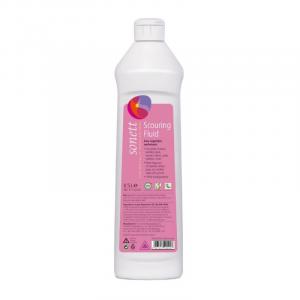
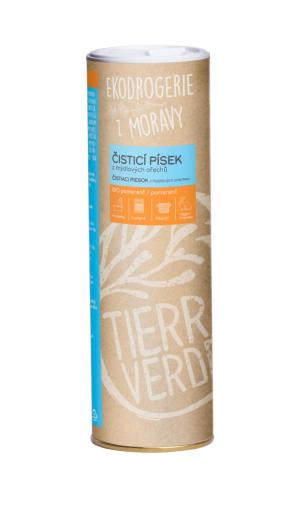
Natural Ways to Remove Mold
When mold appears in the bathroom, many people's first instinct is to reach for a chlorine-based product. Chlorine products are undoubtedly effective, but their aggressiveness comes at a cost – they irritate the respiratory tract, can damage surfaces, and with each use, substances that burden the environment enter the wastewater. Yet there is a whole range of natural alternatives that deal with mold surprisingly well.
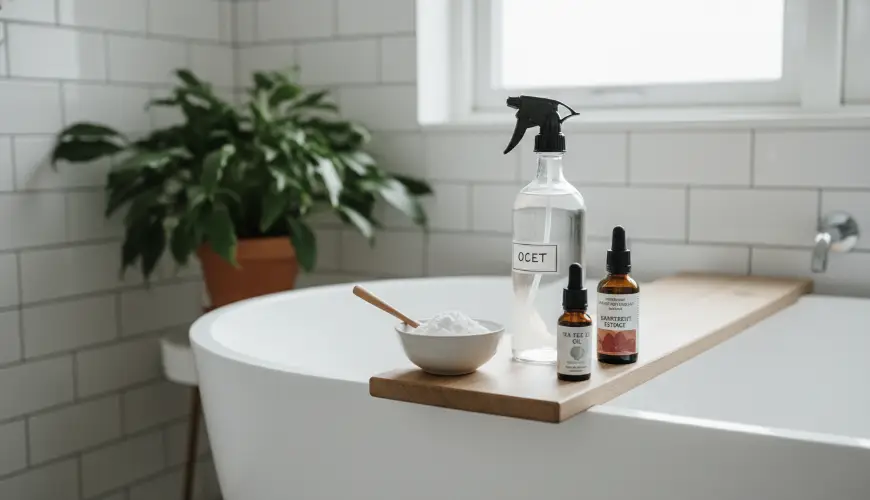
One of the most effective natural remedies against mold is ordinary white vinegar. Acetic acid, which makes up roughly five percent of common table vinegar, can destroy approximately eighty-two percent of mold species according to research. Simply fill a spray bottle with undiluted white vinegar, spray the affected areas, and let it sit for at least an hour. Then just wipe the surface with a damp cloth. The smell of vinegar may seem unpleasant, but it quickly disappears after airing out. For those who want to boost the effect, there's a tried-and-true trick: after applying vinegar and wiping it off, apply baking soda mixed with a little water into a thick paste to the same spot. This combination works as a gentle but effective abrasive agent that mechanically removes even deeper mold deposits from grout.
Another powerful weapon from the natural arsenal is tea tree oil, the essential oil from the Australian tea tree. It has strong antifungal and antibacterial properties that have been repeatedly confirmed by scientific studies. Simply mix two teaspoons of tea tree oil with two cups of water in a spray bottle, shake thoroughly, and spray on the affected areas. The key is not to rinse the solution off – tea tree oil works long-term and creates a protective layer on the surface that prevents mold from regrowing. The only downside is a more pronounced scent, which most people stop noticing after a while, and which gradually dissipates.
A lesser-known but exceptionally effective natural remedy is hydrogen peroxide in a three-percent concentration, commonly available at pharmacies. It works as both a natural bleach and disinfectant. Simply pour it into a spray bottle, apply it to mold-affected areas, let it work for ten minutes, and then wipe it off. Unlike chlorine, hydrogen peroxide breaks down into water and oxygen, making it environmentally friendly. It also works well on lighter-colored grout where mold leaves unsightly dark stains.
Also worth mentioning is grapefruit seed extract, which has strong antimicrobial properties. Twenty drops of extract mixed with two cups of water creates an effective spray that also smells pleasant. As with tea tree oil, it's better not to rinse the solution off.
The practical experience of one family from Brno can serve as a good illustration. Parents of two small children were dealing with recurring mold in the bathroom of their apartment in a panel building. After the birth of their first child, they decided to stop using chlorine-based products and switched to a combination of vinegar and tea tree oil. "At first we were skeptical," they admit, "but after three months of regular maintenance, we found that the mold was returning much more slowly than before, and on top of that, our irritated respiratory tracts stopped bothering us." Their experience confirms what healthy living experts have been emphasizing for years – regularity and prevention are more important than the strength of the product used.
Prevention as the Foundation of Success
Removing mold is one thing, but preventing its return is an entirely different matter – and a much more important one. Without systematic prevention, even the most thoroughly cleaned bathroom can return to its original state within a few weeks. The key to success is disrupting at least one of the conditions that mold needs to grow, and the most easily influenced one is moisture.
Ventilation is absolutely fundamental. After every shower or bath, sufficient air circulation should be ensured in the bathroom. Ideally, open a window if the bathroom has one, or turn on a fan and let it run for at least twenty to thirty minutes after bathing. In bathrooms without windows, quality forced ventilation is absolutely essential – investing in a quiet fan with a timer switch pays off many times more than repeatedly cleaning mold. The relative humidity in a bathroom should ideally not exceed sixty percent for prolonged periods. A simple digital hygrometer costing just a few hundred crowns can help monitor the situation.
Another important step is wiping water from surfaces after every shower. It may sound like unnecessary extra work, but it takes literally two minutes and dramatically reduces the amount of moisture that lingers in the bathroom. A simple glass squeegee is all you need to quickly go over the walls of the shower and the doors. This simple habit is one of the most effective preventive measures of all.
Regular cleaning also plays a significant role. It doesn't have to be anything demanding – just spraying risk areas once a week with a vinegar or tea tree oil solution and wiping them down is enough. This removes mold spores before they have a chance to form visible colonies. Special attention should be paid to grout between tiles, which, thanks to its porous structure, is an ideal refuge for mold spores. If the grout is old and cracked, it's worth having it renewed – new grout with anti-mold treatment can significantly improve the situation.
Other preventive measures include:
- Drying towels and washcloths outside the bathroom or in a well-ventilated place
- Regularly washing the shower curtain at higher temperatures
- Removing unnecessary items from the bathroom that obstruct air circulation
- Checking and repairing leaking faucets and pipes if necessary
- Maintaining a stable temperature in the bathroom (excessive temperature fluctuations promote condensation)
As American biologist and indoor air quality expert Dr. Harriet Burge said: "The best way to fight mold is to not allow it to settle in the first place." This idea perfectly captures the principle on which every household's approach should be based.
If you want to take prevention even further, you might consider getting a dehumidifier. Modern dehumidifiers are energy-efficient, quiet, and can maintain room humidity at an optimal level automatically. For smaller bathrooms, there are also compact models that take up almost no space. In combination with regular ventilation and natural cleaning, they create an environment where mold doesn't stand a chance.
Sometimes, however, despite all efforts and regular maintenance, mold keeps coming back again and again, or its extent begins to grow. In such situations, it's important to know when it's time to call a professional. As a general rule, if the affected area exceeds approximately one square meter, if the mold is penetrating beneath the tiles or into the masonry, or if health problems such as chronic cough, breathing difficulties, allergies, or recurring headaches begin to manifest in the household, it is definitely appropriate to seek professional help. Mold that has penetrated the building structure cannot be removed by surface cleaning – it requires professional remediation, which includes identifying and eliminating the source of moisture, mechanically removing affected materials, and applying professional anti-mold products.
Hidden mold is actually much more dangerous than visible mold. It can grow behind tiles, under the bathtub, in wall cavities, or under the floor without the apartment owners having any idea. A warning sign is often a musty smell that persists even after thorough cleaning and airing out of the bathroom. If you detect such a smell, don't hesitate to contact a mold remediation specialist who can locate hidden mold using special equipment and propose a procedure for its elimination. The National Institute of Public Health states that long-term exposure to indoor mold can lead to the development of asthma, allergic rhinitis, and other respiratory diseases, especially in children and the elderly.
It is also important to distinguish between different types of mold. While common black mold on grout (Cladosporium or Aspergillus) is usually relatively easy to manage with household remedies, some species – for example, the notorious Stachybotrys chartarum, sometimes referred to as "toxic black mold" – produce mycotoxins that can seriously endanger health. This type of mold typically occurs on materials with a high cellulose content, such as drywall boards or wallpaper, and its removal should always be entrusted to professionals.
Fighting bathroom mold with natural remedies is by no means futile or naive. On the contrary – for most common situations, natural methods are fully sufficient and have a number of advantages over aggressive chemicals. However, they require patience, regularity, and consistency. It's not a one-time action but a change in approach to household maintenance. The combination of regular ventilation, wiping down surfaces, weekly treatment with natural products, and occasional deeper cleaning creates a system that reliably prevents mold from returning. And if a situation does arise that exceeds the capabilities of home care, there's no shame in calling a professional – on the contrary, it's a sign of responsibility toward your own health and the health of your loved ones.