

Breakfast salads came from Australia and are changing our diet
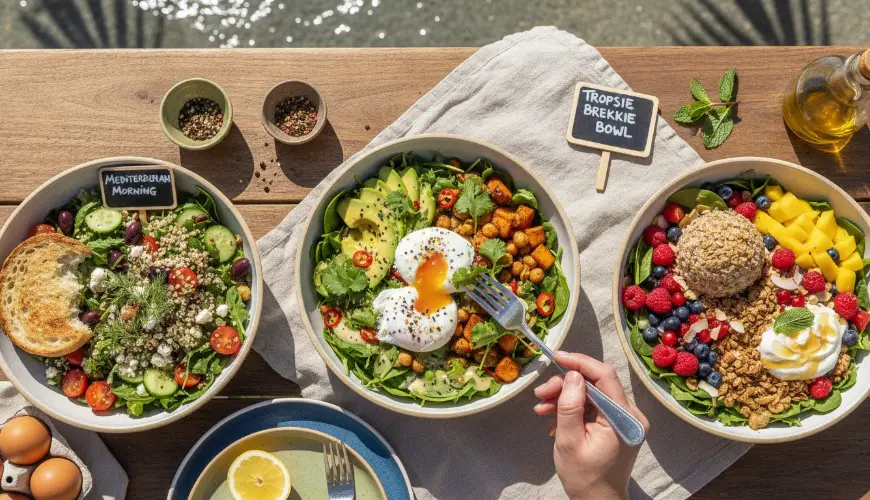
While most of us still reach for a bread roll, yogurt, or a bowl of cereal in the morning, on the other side of the world people are having something for breakfast that wouldn't have even occurred to us just a few years ago. Breakfast salads – fresh, nutritious, and surprisingly filling – have become one of the most prominent dietary trends of recent years. And their birthplace is neither New York nor Tokyo, but sunny Australia, where a healthy lifestyle isn't a fashionable fad, but a way of life.
Australians have a natural affinity for fresh food. Year-round favorable climate, availability of quality fruit and vegetables throughout the year, and a strong culture of outdoor dining have created ideal conditions for salad to become a natural part of the morning table. This isn't about a boring plate of iceberg lettuce with tomato – Australian breakfast salads are wholesome, colorful dishes full of protein, healthy fats, and complex carbohydrates that can keep you satisfied all morning.
Try our natural products





Why a breakfast salad instead of a classic breakfast?
You might wonder what's so special about a salad for breakfast when you can eat the same thing for lunch. The answer lies in timing and composition. The human body is more sensitive to nutrient intake in the morning, and digestion is more active during the early hours. Fresh vegetables, leafy greens, eggs, avocado, or legumes give the body what it truly needs – enzymes, fiber, vitamins, and quality protein – without the unnecessary overload of sugars and industrial additives typical of most breakfast cereals or sweet pastries.
Australian nutritional scientist Dr. Tim Crowe from Thinking Nutrition has long pointed out that the composition of breakfast significantly affects energy levels, concentration, and appetite for the rest of the day. Foods rich in fiber and protein stabilize blood sugar levels and prevent the typical mid-morning energy slump that many people know as the "eleven o'clock crisis." A breakfast salad composed of varied ingredients fulfills exactly this goal – and it tastes good too.
It's no coincidence that Australia has become a pioneer of this trend. The local café culture is world-renowned for its creativity and emphasis on ingredient quality. Cafés in Sydney or Melbourne long ago stopped offering just toast and eggs – their morning menus include bowls full of quinoa, roasted vegetables, fermented foods, fresh herbs, and various dressings based on tahini or citrus. These dishes gradually made their way into homes and from there spread further – through social media, food blogs, and cooking shows – to the rest of the world.
The breakfast salad trend was also picked up by BBC Good Food, which in recent years has recorded a significant increase in interest in recipes combining fresh vegetables with traditional breakfast ingredients such as eggs, roasted legumes, or whole grains. This is therefore not a fringe fad, but a changing relationship people have with morning food as such.
Take a specific example from everyday life. Jana, a thirty-year-old graphic designer from Brno, started trying breakfast salads after being drawn in by photos on Instagram. Initially skeptical – "a salad in the morning? that doesn't make sense" – she prepared a simple bowl with arugula, roasted cherry tomatoes, avocado, and a soft-boiled egg, drizzled with a lemon dressing. The result surprised her: she stayed full until lunch, didn't feel the usual fatigue around ten o'clock, and headed to work feeling light rather than heavy after a substantial hot breakfast. Today, breakfast salad has replaced her yogurt with muesli four days a week.
What goes into an Australian breakfast salad?
The Australian approach to breakfast salads is free and creative, yet thoughtful. The base is always quality leafy greens – spinach, arugula, lamb's lettuce, or baby kale – on which layers are built. Protein is a key component, as it's precisely what ensures satiety. Eggs – whether soft-boiled, poached, or lightly fried – are the most popular addition, but roasted chickpeas, edamame, cottage cheese, or pieces of salmon work just as well.
Healthy fats in Australian recipes are most commonly represented by avocado, but also by pumpkin seeds, nuts, olive oil, or a tahini dressing. These components aren't just an energy source – they help the body absorb fat-soluble vitamins such as vitamins A, D, E, and K, which are abundantly present in leafy greens. Without fat, their benefit would be significantly lower.
The carbohydrate component then completes the whole and gives the breakfast the necessary substance. Quinoa, bulgur, whole grain croutons, roasted sweet potatoes, or even granola (in an unsweetened version) – all of these appear in Australian breakfast salads completely naturally. The result is a dish that combines all macronutrients in a harmonious ratio.
Dressings play no less important a role in these salads than the ingredients themselves. Australian cuisine in this respect draws from Asian, Mediterranean, and Middle Eastern influences. A typical breakfast dressing can be as simple as lemon juice with olive oil and a pinch of salt, but equally as complex as a miso-sesame sauce or tahini with honey and ginger. The right dressing can transform modest ingredients into a gastronomic experience.
As Australian chef and healthy eating advocate Pete Evans noted: "Breakfast should be the most colorful meal of the day – the more colors on the plate, the more different nutrients you're taking in." This idea perfectly captures the philosophy of breakfast salads, where variety is not just an aesthetic pleasure, but a functional principle of nutrition.
It's interesting to observe how this trend adapts to different climatic and cultural conditions. In Australia, where it's warm for most of the year, it's natural to eat cold fresh food in the morning. In countries with colder climates – such as the Czech Republic – breakfast salads adapt to local conditions. Winter versions include more roasted and warm components: sautéed spinach, roasted root vegetables, warm legumes, or even eggs served directly on warm quinoa. The result differs from the Australian original, but the principle remains the same – a nutritious, colorful, and balanced breakfast without compromise.
The popularity of breakfast salads goes hand in hand with growing interest in sustainable and seasonal eating. Using local ingredients, minimizing food waste, and prioritizing plant-based proteins are values shared by both Australian café culture and the European conscious eating movement. Organizations such as Slow Food or Czech advocates of seasonal cooking have long emphasized that the healthiest food is that which is made from fresh, local, and minimally processed ingredients – and a breakfast salad fulfills this philosophy perhaps better than any other dish.
For those who want to start with this trend, it's good to know that preparing a breakfast salad doesn't have to take more than ten minutes. Some ingredients can be prepared the evening before – boiling eggs, roasting sweet potatoes, or making the dressing – and in the morning it's just a matter of quickly assembling everything. The key to success is having a stock of basic ingredients at home and not being afraid to experiment. There's no binding recipe, just a general principle: leafy base + protein + healthy fat + carbohydrate element + tasty dressing.
Basic breakfast ingredients worth always having on hand include:
- leafy greens (spinach, arugula, lamb's lettuce, kale)
- eggs or legumes (chickpeas, lentils, edamame)
- avocado or nuts and seeds
- quinoa, bulgur, or whole grain croutons
- citrus, olive oil, tahini, or miso paste for dressing
Breakfast salads also open the door to variety that is otherwise difficult to achieve with morning meals. While classic breakfasts repeat day after day in the same form, a salad offers practically endless combinations – depending on what's in season, what's left in the fridge, or simply what sounds appealing. This spontaneity is precisely what makes this Australian trend so appealing to people who want to eat more healthily but don't want to be bound by strict rules or complicated diets.
It's no wonder that breakfast salads are finding their way into Czech households. Local markets offer an increasingly diverse selection of fresh vegetables, herbs, and more exotic ingredients such as tahini, miso, or edamame. Organic foods and healthy lifestyle products are more accessible than ever before, and interest in conscious eating is growing across generations. The Australian morning ritual is slowly but surely becoming part of Czech everyday life – and once you try it, it's hard to go back to a dry bread roll.