
Why Turkish Bread is Ideal for Kebab and Other Dishes
Turkish Bread – An Aromatic Foundation That Makes Sense Beyond Kebab
When someone mentions Turkish bread, most people immediately think of a crispy flatbread filled with juicy meat, crunchy vegetables, and yogurt dressing – kebab, as we know it from bistros and streets. But in reality, Turkish bread is much more than just a side to gyros. It is an important element of Turkish cuisine, appearing on tables every day in various forms – from fluffy pita to bread for toasting to traditional Ramadan ekmek.
Whether you know it as "pide," "bazlama," or "ekmek," Turkish bread has one thing in common – it is simple, tasty, and incredibly versatile. And what's best? It's easy to bake at home. Not only will you save money, but you'll also gain control over the ingredients and can experiment with wholemeal flour, sourdough, or herbs.
Why is Turkish Pita Bread So Popular?
The popularity of Turkish pita bread is due to its soft texture, tender interior, and slightly crispy crust, which perfectly complements any filling. Unlike the thinner, pocket-like Arabic pita, the Turkish version has a denser consistency and is often served warm. In Turkey, it's common for people to buy fresh bread several times a day – directly from the bakery, where it's still steaming. Freshness is what makes Turkish bread so special.
In some regions, pita breads are baked on clay or cast-iron plates, while in others, they're baked in stone ovens. However, in home conditions, an oven or pan will suffice. It just takes a bit of patience and the desire to experiment.
Recipe for Turkish Bread – A Simple Base with Great Potential
If you are looking for a recipe for Turkish bread that can be used as a side for kebab, sandwiches, or even as a substitute for regular bread, try this proven base:
Ingredients:
- 500 g plain flour (can be partially replaced with wholemeal)
- 300 ml warm water
- 1 packet of dried yeast (or 20 g fresh)
- 1 teaspoon sugar
- 1.5 teaspoons salt
- 2 tablespoons olive oil
- Sesame or nigella seeds for sprinkling (optional)
Method:
- In a small bowl, mix the yeast, sugar, and a bit of warm water. Let the yeast activate (about 10 minutes).
- In a bowl, pour the flour, and salt, add the yeast mixture, the rest of the water, and oil. Work into a smooth, elastic dough.
- Cover with a cloth and let rise in a warm place for about 1 hour.
- Divide the risen dough into 6–8 balls, roll out into flatbreads about 1 cm thick.
- Transfer to a baking sheet lined with parchment paper, brush with water or beaten egg, and sprinkle with seeds.
- Bake in a preheated oven at 230 °C for about 10–12 minutes until golden.
The result is soft, fluffy flatbreads with a golden crust that smell like they’re from a bakery in Istanbul. Incidentally, in Istanbul, people line up in front of bakeries every morning before they even open. Turks really value fresh bread.
Turkish Bread for Kebab – More Than Just a Wrapper
And how to prepare homemade Turkish bread suitable for kebab? Essentially, you can use the same recipe as above, just roll the flatbreads thinner and bake for a shorter time so they remain more pliable. It’s also ideal to let them rest briefly under a cloth after baking – they will soften and be easy to fill with meat, vegetables, and sauce.
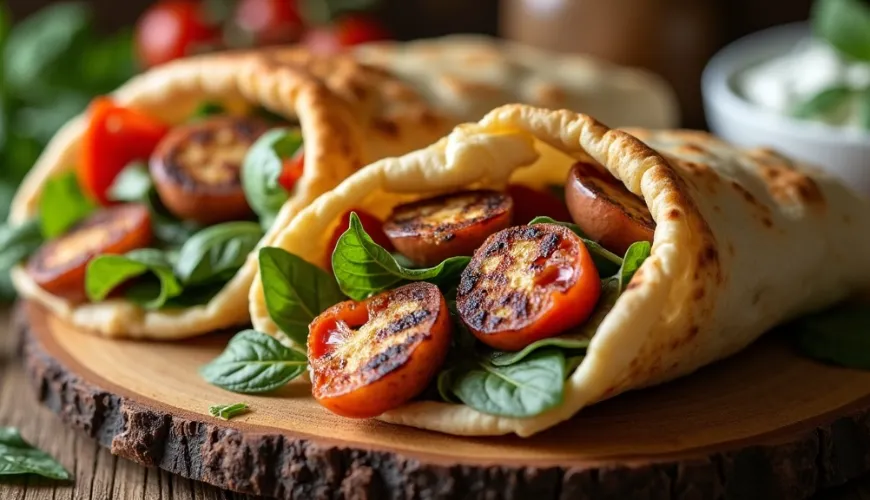
Kebab doesn’t just mean the classic döner with lamb. A vegetarian version with roasted eggplant, hummus, and fresh tomatoes also tastes great. Thanks to the bread retaining heat and moisture, the filling stays tasty longer and doesn’t "leak" from the pocket.
And how to make a tasty homemade kebab? Simply marinate chicken or soy strips in yogurt with garlic and spices (e.g., cumin, paprika, coriander), bake or grill, and wrap in fresh Turkish bread. Add salad, onion, and a bit of tahini or tzatziki. Try it sometime instead of a classic lunch – you'll notice the difference immediately.
Turkish Bread as Part of a Healthy Lifestyle
Surprisingly, many recipes for Turkish bread do not contain any animal fat or milk, making it a great choice for vegans. Using wholemeal flour or adding flaxseed also increases fiber content and satiety. And what’s more – when you bake your own bread at home, you avoid preservatives, dyes, and packaging.
This is also why more and more people are turning to home baking. It's not just about taste but also about sustainability and food quality. Bread from fermented dough contains less gluten and is easier to digest. And although Turkish pita bread typically doesn’t contain sourdough, you can easily incorporate it for better nutritional value.
In Turkey, they say, "without bread, there is no meal." And there might be a deeper truth to that than it seems. Bread is not just a staple food but also a cultural symbol of sharing and hospitality. It never misses from a table in a Turkish home – whether as a side to soup, the base of a sandwich, or the main course itself.
Inspiration from Practice – A Home Bakery as a Meeting Place
One example of how bread can be more than just food is a small bakery in Brno, founded by a young couple inspired by their travels in Turkey. They started baking Turkish pita bread for friends, later opened a window, and today supply several bistros. "Bread connected us with people. Through a simple flatbread, we started talking about healthy eating, community, tradition, and sustainability," says co-owner Anna. Their flatbreads are preservative-free, baked from organic flour, and sold wrapped in paper bags.
This isn’t the only example. On social media, more and more home bakers share recipes, tips, and even failures. Often, a recipe for Turkish bread is among the first people try.
Maybe because it’s simple, maybe because it smells of distant lands. Or because it combines the best – honesty, taste, and a sense of home. Whether you fill it with kebab, hummus, or just olive oil, Turkish bread has the power to connect people at the table and beyond.
One bread – many possibilities. And that is the magic that has endured for centuries.