

# How to Transition to a Plant-Based Diet Gradually Step by Step
How to transition to a plant-based diet gradually without developing deficiencies – that's a question more and more people are asking themselves today. And it's no wonder. Interest in plant-based eating has surged in recent years, whether due to health benefits, environmental concerns, or simply because more and more interesting alternatives are appearing on our plates. But with growing popularity comes growing concerns. Won't I be protein deficient? What about iron, calcium, vitamin B12? Won't I lose energy? These concerns are entirely legitimate, but the good news is that transitioning to a plant-based diet doesn't have to be a leap into the unknown. When approached thoughtfully and gradually, the body adapts surprisingly easily – and no nutritional deficiencies need to be a threat.
Try our natural products
Why a gradual transition makes more sense than a radical change
Imagine a person who has eaten a classic Central European diet their entire life – meat, dairy products, eggs as the foundation of nearly every meal. And one day they decide that starting tomorrow, they'll eat purely plant-based. What happens? They'll probably be enthusiastic the first week, confused about what to actually cook the second week, and frustrated by the third week because they're lacking both inspiration and nutrients. This is exactly what the story of many people who tried a plant-based diet and quickly returned to old habits looks like.
A gradual transition works better for several reasons. First and foremost, it gives the body time to adjust to a higher fiber intake, which is something the digestive system truly needs time to respond to. Anyone who has ever dramatically increased their intake of legumes, vegetables, and whole grains overnight knows that bloating and uncomfortable stomach feelings are no myth. But when you incorporate these foods into your diet gradually, the gut microbiome gradually restructures and digestion starts functioning smoothly.
Equally important is the psychological aspect. Food isn't just fuel – it's part of culture, family rituals, and social life. A sudden change can trigger feelings of isolation, especially if those around you don't share the new eating habits. A gradual transition allows you to find favorite recipes, learn new combinations, and naturally integrate plant-based meals into everyday life without it feeling like a sacrifice.
A good starting point can be the so-called "one day a week without meat" principle. The globally known Meatless Monday initiative, supported among others by the Johns Hopkins Bloomberg School of Public Health, shows that even a small change can have a measurable impact on health and the environment. Once a person gets used to one meat-free day, they add a second, then a third – and within a few months, they realize they don't actually need meat on their plate as often as they thought.
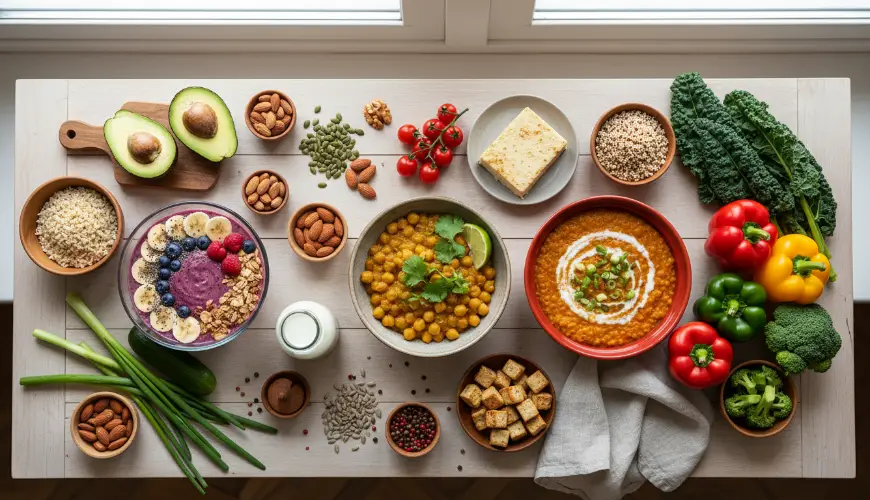
In practical terms, it might look something like this: the first month, you replace a meat-based meal once a week – instead of breaded chicken, you try chickpea curry; instead of Bolognese spaghetti, a version with red lentils. The second month, you add another day and start experimenting with tofu, tempeh, or new types of legumes. The third month, you focus on breakfasts – oatmeal with nuts and seeds, smoothies with plant-based milk, whole grain bread with avocado. And so on. Each step is small, manageable, and doesn't require Herculean effort.
This is exactly what Markéta from Brno did, for example, who became interested in plant-based eating after turning thirty. "I didn't want to become a vegan overnight," she says. "I started by cooking a big pot of legume soup every Sunday for the whole week. I gradually added more plant-based meals, and after six months, I realized I was eating meat about once every two weeks – and I didn't miss it at all." Her blood tests remained perfectly fine throughout, because she had time to learn how to properly put together her diet.
Which nutrients to watch out for and where to find them
Here we get to the heart of the matter. A plant-based diet can be completely well-rounded and health-promoting, but only if it's varied and well thought out. This applies to any way of eating, of course – even people who eat meat can have deficiencies if they eat one-sidedly. The difference is that with a plant-based diet, there are several specific nutrients that require extra attention.
Vitamin B12 is probably the most frequently mentioned nutrient in the context of plant-based eating – and rightfully so. This vitamin naturally occurs almost exclusively in animal products, and its deficiency can lead to neurological problems and anemia. For people on a purely plant-based diet, B12 supplementation is practically essential. This isn't a sign that a plant-based diet is inadequate – it's simply a reality of modern nutrition. Fortified foods such as some plant-based milks, cereals, or nutritional yeast can supplement B12 intake, but a quality dietary supplement remains the reliable solution. The Czech Medical Association and international professional institutions such as the Academy of Nutrition and Dietetics agree that a well-planned plant-based diet can be suitable for all stages of life, provided it is supplemented with B12.
Another nutrient surrounded by much confusion is iron. Plant-based sources of iron – legumes, whole grain cereals, dark green leafy vegetables, dried fruit, or seeds – contain so-called non-heme iron, which is absorbed less efficiently than heme iron from meat. But there's a simple trick to significantly improve absorption: combine these foods with vitamin C. Simply add bell pepper to a spinach salad, a squeeze of lemon juice to lentil soup, or have an orange with your meal. This minor adjustment can increase iron absorption several times over.
Protein is probably the biggest fear factor when transitioning to a plant-based diet. "Where do you get your protein?" is a question every vegetarian or vegan hears many times in their life. The truth is that plant-based protein sources are richer than most people think. Legumes – lentils, chickpeas, beans, peas – are an excellent source. Tofu and tempeh made from soy provide a complete amino acid profile. Quinoa, amaranth, buckwheat, nuts, seeds – all of these contribute to adequate protein intake. The key is variety and combining different sources throughout the day. It's not necessary to have a complete amino acid profile in every meal, as was previously incorrectly stated – the body can assemble amino acids from different meals throughout the day on its own.
Calcium is another nutrient worth keeping in mind, especially if one reduces dairy products. Excellent plant-based sources of calcium include fortified plant-based milks, calcium-set tofu, sesame seeds and tahini, dark green leafy vegetables such as broccoli or bok choy, and also almonds. It's important to know that some types of vegetables – spinach, for example – do contain calcium, but due to their high oxalate content, only a minimal amount is actually absorbed.
We must not forget about omega-3 fatty acids either, specifically EPA and DHA, which are commonly found in fatty fish. Plant-based sources such as flaxseeds, chia seeds, and walnuts contain ALA, which is a precursor to EPA and DHA, but the conversion rate in the body is relatively low. For people on a purely plant-based diet, it may be worth considering omega-3 supplementation from algae oil, which is a plant-based alternative to fish oil.
And finally, vitamin D, which, while not a problem specific to plant-based diets – its deficiency is widespread across the entire population, especially at Central European latitudes – is worth mentioning. Fortified foods and dietary supplements (vitamin D3 from lichen is a plant-based option) are a reliable solution.
As the renowned American cardiologist Dr. Kim Williams, former president of the American College of Cardiology, said: "There are two types of cardiologists – vegans and those who haven't read the data yet." While this is obviously an exaggeration, it reflects the growing body of scientific evidence on the benefits of a plant-based diet for cardiovascular health.
For a successful transition to a plant-based diet without deficiencies, it has proven effective to follow a few basic principles. Eat as varied a diet as possible – every day your plate should include legumes, whole grains, vegetables, fruit, nuts, and seeds. Don't be afraid of fortified foods – plant-based milks enriched with calcium and B12 are a practical helper. Supplement B12 – this is a fundamental that no one on a purely plant-based diet should forget. Combine foods smartly – vitamin C with iron, healthy fats with fat-soluble vitamins. And last but not least, have your blood work checked regularly, ideally once or twice a year, so that any deficiency is detected early.
Transitioning to a plant-based diet is not a race. It's not a competition to see who can become "clean" the fastest. It's a journey that can take months or even years, and every step in the right direction counts. Even if the result isn't a one hundred percent plant-based diet but a significant reduction in animal products, that's an enormous benefit – for your health, for the planet, and for personal well-being. The important thing is to start, be patient with yourself, and remember that a well-informed approach is the best prevention against any deficiencies. After all, that's exactly why resources, communities, and products exist that make the whole journey easier – and perhaps even inspire you to discover flavors you never even knew existed.