
# How to Get Rid of Shoe Odor Naturally ## Why Do Shoes Smell? Shoe odor is caused by bacteria tha
Unpleasant shoe odor is a problem that almost everyone knows all too well. Whether it's sports trainers after a full day of training, leather shoes worn throughout a working day, or favorite summer ballet flats – odor can take hold surprisingly quickly and persistently. Yet many people reach for chemical sprays and shoe deodorants without realizing that nature offers equally effective but far gentler solutions. Getting rid of shoe odor the natural way is not only possible, but in many cases even more effective than conventional approaches.
Before we dive into specific methods, it's worth understanding why shoes smell in the first place. The human foot is home to approximately 250,000 sweat glands – more than anywhere else on the body. According to data from the American Podiatric Medical Association, a foot can produce up to half a liter of sweat per day. This sweat itself is not the problem, as it is virtually odorless. The smell only develops when sweat comes into contact with bacteria that naturally inhabit the skin and the inner surface of shoes. Bacteria break down sweat and, as a by-product of this process, produce acids with a characteristically unpleasant odor. The warm, moist, and dark environment inside a shoe is a literal paradise for these microorganisms.
Try our natural products
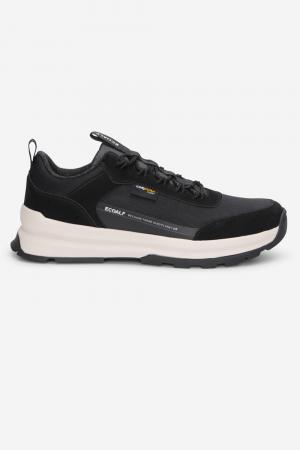
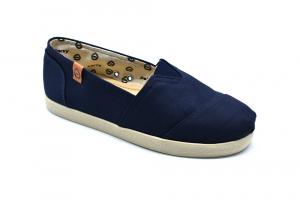
Natural helpers you already have at home
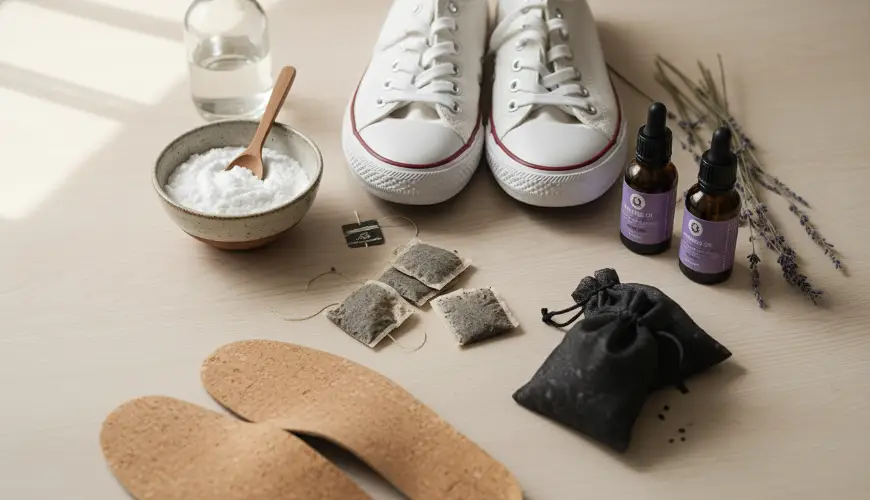
One of the most effective natural remedies is baking soda, or sodium bicarbonate. This white powder, found in every kitchen, has an extraordinary ability to absorb odors while also neutralizing the acidic environment in which bacteria thrive. Simply pour a spoonful of baking soda into each shoe in the evening, leave it to work overnight, and pour or vacuum out the powder in the morning. The results tend to be surprisingly quick – after a few repetitions, the odor will noticeably diminish. If you want to enhance the process, you can mix the baking soda with a few drops of tea tree or lavender essential oil, both of which have natural antibacterial properties.
Another great helper hiding in your home is white vinegar. Its acidic pH creates an environment that bacteria simply cannot tolerate. Diluted vinegar (at a ratio of approximately 1:1 with water) can be applied to the inner surface of the shoe using a cloth or spray bottle, left to air dry, and the results are noticeable. Many people worry that vinegar itself smells – and they're right, but only temporarily. Once it dries, the smell disappears completely, taking the bacterial colonies with it.
A somewhat surprising helper is the tea bag. Both black and green tea contain tannins, which have natural antibacterial properties and can also absorb moisture. Simply let the bag cool after making tea, place it inside the shoe, and leave it to work overnight. This method is particularly appreciated by those who want to treat their shoes gently, without risking damage to sensitive materials such as suede or fine leather.
Activated charcoal also holds a special place among natural moisture and odor absorbers. It is now available in the form of sachets or shoe insoles, and its ability to absorb unwanted substances is well documented scientifically. Activated charcoal works on the principle of adsorption – it captures odor molecules on its vast surface area and holds them in place. Activated charcoal sachets can also be reactivated simply by exposing them to sunlight for a few hours, making this a truly long-term and sustainable solution.
The use of essential oils deserves its own mention. Tea tree oil is a true star in this regard – its antibacterial and antifungal effects are supported by numerous studies. Just a few drops diluted in a little water, applied to the inside of the shoe and left to dry, is all it takes. Eucalyptus or lavender oil works similarly, with lavender also adding a pleasant fragrance to the shoes. It is important, however, to use essential oils with caution on colored or delicate materials, as they may leave stains.
Prevention is better than cure
Experience shows that the best results come from a combination of regular care and preventive measures. Take Jan, a thirty-year-old cyclist from Brno, who suffered from severe odor in his cycling shoes. He tried a whole range of commercial sprays, but relief was always only temporary. It wasn't until he started regularly alternating between two pairs of shoes (so each had enough time to dry out), added bamboo insoles with activated charcoal, and treated the inside with baking soda once a week, that the problem almost completely disappeared. The key was not one miraculous solution, but systematic care.
As dermatologist and skincare specialist Dr. Lindsey Bordone from Columbia University Medical Center says: "Preventing bacterial proliferation is always more effective than trying to remedy the consequences. Dry and clean foot skin is the foundation." These words apply equally to foot care and to the care of shoes themselves.
A fundamental preventive step is choosing the right socks. Synthetic materials may be comfortable and durable, but they tend to retain moisture and create an ideal environment for bacteria. In contrast, bamboo, merino wool, or organic cotton draw sweat away from the skin and dry more quickly. These materials are becoming increasingly accessible, and wearing them makes a noticeable difference – not only in terms of odor, but also overall comfort.
Paying attention to the shoes themselves is equally important. Natural materials such as leather or textile breathe significantly better than synthetic substitutes, and therefore retain less moisture. Where possible, it is advisable to choose shoes with the highest possible proportion of natural materials, especially in the insole and lining area. After each wear, it is ideal to let the shoes air out – preferably in a place with airflow, but not in direct sunlight, which could damage the material.
Another simple but effective trick is freezing shoes. Placing shoes in a plastic bag and putting them in the freezer overnight can effectively kill the bacteria that cause odor. Frost creates conditions in which microorganisms cannot survive. This method is particularly suitable for sports footwear that cannot be washed in a washing machine.
Insoles as a long-term solution
A separate and highly effective category of natural solutions is specialty shoe insoles made from natural materials. While standard insoles are mostly made from synthetic foam that tends to retain moisture, natural alternatives work in exactly the opposite way.
Cork insoles are breathable, naturally antibacterial, and mold to the shape of the foot. Cork is also a material with a long tradition – it has been used in shoemaking for centuries precisely for its excellent properties. Bamboo as an insole material works similarly – its fibers have a natural ability to regulate moisture and inhibit bacterial growth. And the already-mentioned activated charcoal insoles are probably the most effective solution for those who suffer from truly intense odor.
When choosing insoles, it is worth focusing on products that combine multiple properties at once – ideally moisture absorption, antibacterial protection, and anatomical shaping for comfortable wear. Such an insole then serves not only as odor prevention, but also improves overall walking comfort.
Natural shoe care is not merely a matter of comfort or aesthetics. It is also a conscious choice in favor of the environment. Chemical sprays and shoe deodorants contain substances that can be harmful not only to the skin, but also to the environment – whether it's propellants in aerosols, synthetic fragrances, or preservatives. Switching to natural alternatives is therefore a step that makes sense from multiple perspectives at once.
There is no need for any dramatic revolution. It's enough to start slowly – perhaps by reaching for baking soda instead of a chemical spray next time, or by buying your first pair of merino wool socks. The results will come on their own, and with them the motivation to continue. Natural shoe care is accessible, effective, and considerate of both body and planet – and that is a combination that never gets old.