
# How to Clean a Plastic Drinking Bottle from Odor and Bacteria Using Baking Soda and Vinegar
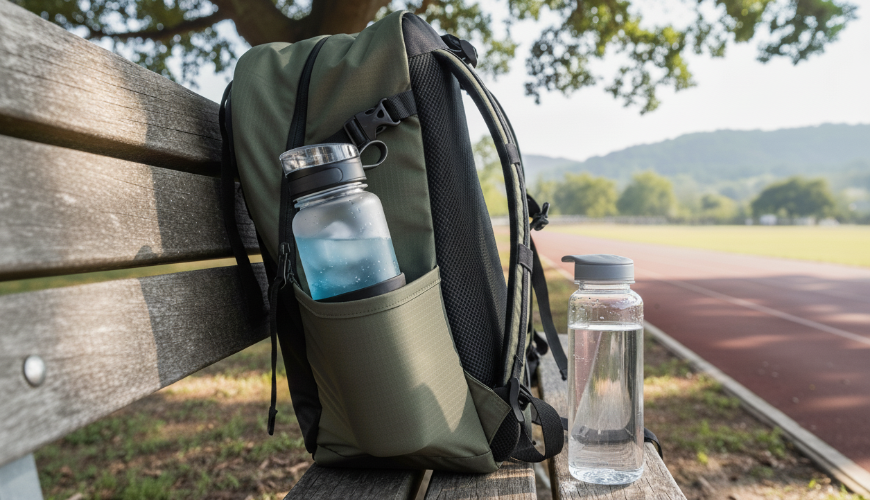
A plastic drinking bottle is one of those things we carry every day in our bag, backpack, or on our desk, yet we give it surprisingly little care. Just a few days without thorough washing and a slimy coating, unpleasant odor, or even mold can start forming inside. Yet properly cleaning plastic bottles is no rocket science – it just requires a bit of regularity and a few proven tricks that can significantly extend the lifespan of drinking bottles while also protecting the health of the whole family.
Before we dive into specific tips, it's worth realizing why the hygiene of reusable bottles is so important. A study published in the journal Annals of Civil and Environmental Engineering showed that the walls of commonly used bottles can harbor more bacteria than a kitchen sink. Warm water, saliva residue, and the moist environment of a sealed bottle create ideal conditions for the growth of microorganisms. And if you occasionally fill the bottle with fruit juice, a smoothie, or a sports drink, the sugar in the beverage makes the whole situation even worse. Regular and proper cleaning of plastic bottles is therefore not just a matter of aesthetics but of real health.
Most people simply rinse their plastic bottle with water and refill it. But a mere rinse is not enough. Bacteria and biofilm – a thin layer of microorganisms attached to the walls – cannot be removed by a simple stream of water. Ideally, the bottle should be washed after each use with warm water and a small amount of dish soap, including the cap and any straw or valve. The cap and spout are usually the places where dirt accumulates the most, because we repeatedly touch them with our mouths and fingers. A small bottle brush, costing just a few dollars, can make a huge difference in this regard. The bristles reach into folds and corners that a sponge or stream of water cannot reach.
Try our natural products
How to Get Rid of Odor and Deposits
One of the most common problems people encounter with plastic bottles is a musty or sour smell that persists even after washing with dish soap. Plastic tends to absorb odors, especially if acidic or sweet beverages have been stored in it. However, there are several simple and natural ways to combat this.
Baking soda is an absolute staple in this regard. Simply pour one to two teaspoons into the bottle, fill with warm water, close it, and let it sit overnight. In the morning, rinse the bottle thoroughly and the odor should be gone. Baking soda works as a mild abrasive and also neutralizes acidic odors. For tougher cases, you can combine baking soda with white vinegar – mixing them creates a fizzy reaction that helps loosen deposits and biofilm from the inner walls. A ratio of approximately one tablespoon of vinegar and one teaspoon of baking soda per half liter of warm water works reliably.
Another proven tip for cleaning plastic bottles against odor is using rice. It may sound unusual, but a few tablespoons of uncooked rice poured into a bottle with a little warm water and a drop of dish soap works as a natural mechanical cleaner. When shaken, the rice grains remove deposits from the walls without scratching the plastic. This method is also recommended by sports equipment maintenance experts because it is gentle yet surprisingly effective.
For those who prefer chemical-free disinfection, there is also the option of using hydrogen peroxide in a low concentration (3% solution from the pharmacy). Simply pour a small amount into the bottle, let it sit for a few minutes, rinse thoroughly with clean water, and let it dry. Hydrogen peroxide kills bacteria and mold and, unlike chlorine-based products, does not leave a strong smell or taste. However, it is important to really rinse the bottle carefully after using peroxide – safety always comes first.
Incidentally, an interesting comparison of various cleaning methods for reusable containers is offered by an article on the Healthline website, which clearly summarizes the advantages and disadvantages of individual approaches and references relevant research.
A separate chapter is caring for caps, spouts, and seals. Many modern bottles have fairly complex closures with rubber seals, valves, or integrated straws. It is precisely in these small components that moisture and beverage residue accumulate, which then start to smell or develop dark spots – that is, mold. The cap and all removable parts should be regularly disassembled and washed separately. It is a good idea to soak rubber seals from time to time in a solution of vinegar and water (in a ratio of approximately 1:4) for twenty to thirty minutes. After soaking, simply scrub with an old toothbrush and rinse thoroughly. This simple step can prevent most odor problems.
A frequently asked question is also whether it is safe to wash plastic bottles in the dishwasher. The answer depends on the type of plastic. Bottles marked with the recycling symbol number 5 (polypropylene) or number 7 (Tritan and other copolyesters) are generally more resistant to higher temperatures, and most manufacturers label them as dishwasher safe. Conversely, bottles made of PET plastic (number 1), which are primarily intended for single use, should not be washed in the dishwasher – high temperatures can cause material deformation and theoretically even the release of unwanted substances. It is therefore always a good idea to check the marking on the bottom of the bottle or follow the manufacturer's instructions.
How to Extend the Lifespan of Plastic Drinking Bottles
Proper cleaning is only one side of the coin. Equally important is how we handle the bottle in everyday life. A few simple habits can significantly extend the period during which the bottle will serve safely and without problems.
The first rule is not to leave the bottle in direct sunlight or in a hot car. UV radiation and high temperatures accelerate the degradation of plastic, which can lead not only to unpleasant odors but also to deterioration of the material's mechanical properties. A bottle that repeatedly experiences temperature shocks becomes brittle faster, cracks, and loses its seal. Just think of a situation that almost everyone knows – a plastic bottle forgotten in a car during a summer day. After a few hours, the water tastes strange and the bottle is soft to the touch. That is a clear signal that the material is suffering.
Another important point is drying. After each wash, the bottle should dry thoroughly, ideally in a disassembled state – with the cap unscrewed, turned upside down. Moisture trapped inside a closed bottle is exactly the environment in which bacteria and mold thrive. Those who have the option can let the bottle drip-dry on a bottle rack or simply on a clean towel by a window where air circulates.
Sometimes it is also worth thinking about what you fill the bottle with. Plain water is the gentlest content for a plastic bottle. Fruit juices, sweetened drinks, coffee, or tea leave residue on the walls that promotes bacterial growth and causes discoloration of the plastic. If you do use the bottle for something other than water, it is important to wash it as soon as possible after drinking – the longer beverage residue stays in the bottle, the harder it is to remove.
Occasionally, despite all the care, a bottle simply reaches the end of its life. Scratched walls, cracks, permanent discoloration, or an odor that no cleaning product can fix are signals that it is time to replace the bottle. A scratched surface provides bacteria with more places to hide, and no amount of cleaning can restore the bottle to a hygienically safe condition. As noted in the recommendations of the American organization NSF International, which deals with public health standards, reusable drinking containers should be replaced approximately once a year, or sooner if there are visible signs of wear.
The choice of the right bottle from the very beginning also deserves a mention. A quality plastic bottle made from Tritan material (BPA- and BPS-free) will last significantly longer with proper care than a cheap bottle made of thin PET plastic. Investing in a quality product thus pays off in the long run not only financially but also from an ecological perspective – fewer discarded bottles means less plastic waste. And this is exactly where caring for your own health connects with caring for the planet, which is a thought worth paying attention to.
As pioneering environmentalist Jane Goodall said: "What you do makes a difference, and you have to decide what kind of difference you want to make." Even such a small thing as proper care of a drinking bottle is a small decision with a big impact – for our health, for our wallet, and for the environment.
Finally, one more practical tip from real life. Markéta, a mother of two schoolchildren from Brno, describes her experience: "The kids used to take cheap plastic bottles to school, and every few weeks I would throw them away because they smelled and couldn't be properly cleaned. Then I bought quality Tritan bottles, started washing them every evening with a brush, and cleaning them once a week with baking soda. We've had them for over a year now and they look almost like new." Her story nicely illustrates that proper cleaning of plastic drinking bottles and a bit of regular care can save money and hassle. And most importantly – the children drink from a clean bottle, which is what matters most.
Caring for a plastic drinking bottle is simply a small thing that, in sum, impacts the quality of everyday life. Just a few minutes a day, baking soda in the kitchen cupboard, and a bottle brush in the drawer – and your bottle will serve you reliably for much longer than you would expect.