

Why Are Moths in the Closet and How to Effectively Get Rid of Them Without Harsh Chemicals

Few things can ruin the joy of a favorite sweater as reliably as tiny holes that appear "out of nowhere." And then it happens: opening the closet, suspicious powder in the corner of the shelf, a fine web on the seam, and the question that surprisingly many households ask themselves – why are moths in the closet and how to effectively get rid of them without immediately resorting to aggressive chemicals? The good news is that with clothes moths, a persistent combination of prevention, thorough cleaning, and smart, gentle solutions often works. And even better news: there are natural ways to repel moths from the closet that make sense even in homes where healthier environments, children, allergies, or sensitive skin are a concern.
The clothes moth (most commonly the common clothes moth, Tineola bisselliella) is not a "dirty" insect in the sense that it only appears in neglected apartments. On the contrary – it often thrives even in well-maintained households because it requires minimal conditions: calm, darkness, textile fibers, and a bit of time. Expert information on its biology and behavior can be found in university and museum overviews; a useful foundation can be the Natural History Museum in London, which clearly explains why clothes moths are so persistent and what actually attracts them.
Try our natural products
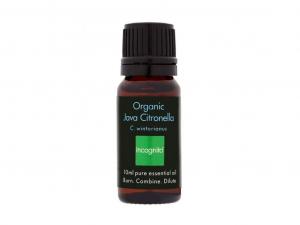
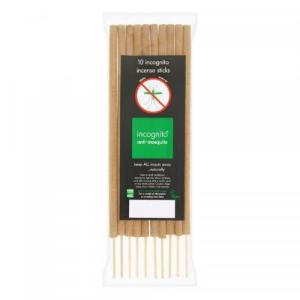

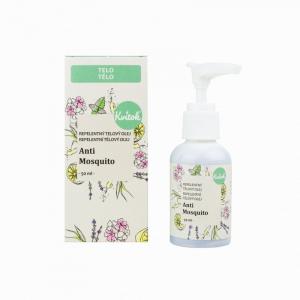
Why are moths in the closet: it's not about "dirt," but about conditions
When addressing why moths are in the closet, it's worth starting with a simple fact: the adult moth usually does not damage clothes. The problem is the larvae, which feed on materials containing proteins – typically wool, cashmere, alpaca, mohair, silk, and also blends where the natural component is "just a little." The larvae also love residues of sweat, sebum, dandruff, food crumbs, or stains from drinks. In other words: even a beautiful wool coat, put away in the closet once a season without cleaning, can be a feast for a larva.
Moths most often enter the apartment unnoticed. They are brought in with vintage pieces, from the dry cleaner, with a carpet, with a blanket from grandma, sometimes even from a hotel in a suitcase. Adults then look for a place to lay eggs: dark corners of the closet, seams, folds, space behind a drawer, a box with yarn, or a basket with wool socks. And because the eggs and larvae are tiny, nothing is noticeable for a long time.
In practice, it often looks like this: the apartment is "spotlessly clean," but on the top shelf, there's a box with winter scarves. No one has touched it for months. Inside, it's warm, dark, with textile fibers and a bit of dust. Then it only takes an adult moth to get inside during ventilation – or it might have already been in the box from when the coat was stored there after the season. And suddenly, the question is how to deal with clothes moths, because the damage appears only when the items are taken out again.
"The biggest advantage of the moth is silence and time – and the biggest weakness is regular disturbance of its peace."
How to identify clothes moths and not confuse them with pantry moths
Before starting any strategy, it's useful to ensure it's really about clothes moths. Pantry moths target the pantry, flour, nuts, and cereals, while clothes moths stick to textiles. Clothes moths are usually smaller, light golden, often avoid light, and do not fly as "wildly" around lamps as other insects. Typical signs are:
- small holes (often near seams and where the fabric rubs),
- fine webs or "cases" of larvae,
- small powder (larvae droppings) in folds,
- adult individuals sitting on the closet wall or in corners.
Once the first signs appear, it's time to act quickly – not panic, but be diligent. Clothes moths cannot be solved with just one "miraculous" sachet in the closet. If the natural way to get rid of moths is to be truly effective, it must tackle the entire cycle: egg – larva – pupa – adult.
How to handle clothes moths: an effective procedure that works even without aggressive chemicals
The most effective strategy is surprisingly "boring": a combination of mechanical removal, thermal shock, cleanliness, and prevention. That's where the strength lies – not one trick, but several steps that complement each other. And if an answer is sought to the question "how to get rid of them effectively," this procedure is closest to the reality of an average household.
Let's start with what usually has the greatest effect: stopping the larvae. Larvae are what eat the textile, and they also remain "hidden" in the material for the longest time.
First, everything needs to be taken out of the closet. Yes, everything – even items that look fine. Then comes sorting: separate natural materials, synthetics, frequently worn items. It's often revealed that moths have targeted only a few pieces, but eggs can be elsewhere.
Next is a thorough cleaning of the closet: vacuum all corners, moldings, grooves, the area around hinges, gaps at drawers. A vacuum cleaner is surprisingly a strong ally here. The bag or container must then be emptied immediately outside, as larvae can survive even a short stay inside. Surfaces can be wiped with warm water and a gentle agent; those who want to stick to milder options often choose a soapy solution or a natural cleaner suitable for households where scent sensitivity is an issue.
And now the clothing. What can be washed should ideally be washed at 60 °C (if the material can withstand it). For wool and delicate pieces where high temperature is not possible, there are two options: either professional cleaning or freezing. Few realize it, but freezing is one of the best natural ways to get rid of moths: the textile is placed in a sealable bag and put in the freezer for at least 48–72 hours (the lower the temperature, the better). For larger pieces that don't fit in the freezer, sometimes a winter balcony or outdoor space helps – just remember to consider moisture and safe wrapping.
A real-life example repeated over and over: in a panel apartment, holes appeared on two sweaters and one scarf. The owners initially bought fragrant "anti-moth" balls, but after a month, more damage was found. Only when they took out the entire contents of the closet, vacuumed even the space under the bottom shelf, washed everything possible, and put the rest in the freezer for three days (including hats and gloves), did the occurrences stop. Only then did prevention work – because there was nothing left to "feed."
When the closet is clean and the textile treated, it's time for what people most commonly seek: natural ways to repel moths from the closet. Here it's important to say one thing clearly: natural repellents usually do not kill moths at all stages, but they can make the environment unpleasant for adults and reduce the likelihood of them laying eggs there. They work best as prevention after a "major cleanup."
To keep the procedure as simple yet practical as possible, just follow a few principles:
Scents that moths dislike and why to use them wisely
Traditional helpers include lavender, cedarwood, mint, rosemary, cloves, or bay leaf. They are most often used in sachets for the closet, or drops of essential oil on a ceramic plate or wooden ring. The scent has one drawback: it fades over time. So if the effect is to be real, the sachets need to be occasionally rubbed, replaced, or oil reapplied.
A very effective combination is: placing one "source of scent" in each part of the closet and simultaneously focusing on ensuring clothes are not stored dirty. Otherwise, it easily happens that although lavender smells nice, the larva still has ideal conditions.
Cedarwood is also worth mentioning – not because it's magical, but because its aroma is unpleasant for insects and is also a longer-term solution. With cedar, it's necessary to keep in mind that when the wood stops smelling, it can be very lightly sanded to release the scent again.
Pheromone traps: not "natural," but gentle and very useful
Those dealing with how to handle clothes moths and wanting to keep it under control often opt for pheromone traps. They're not "herbs," but they're a tool without insecticides that helps mainly in diagnosing and limiting the population. The trap attracts males, reducing the chance of mating, and simultaneously indicates whether the problem persists. It's practical, especially after cleaning: if nothing is caught after a few weeks, it's a good sign. If a lot is caught, it's necessary to recheck the closet, textile, and surroundings (carpet, upholstery, yarn baskets).
Air, light, and movement: trivial but surprisingly effective
Moths love calm, dark places. Therefore, even a simple change in habits helps: occasionally opening the closet, airing it, reorganizing, shaking items. It sounds trivial, but "disturbance" is unpleasant for moths. If rarely used textiles are stored in closed boxes, it's better to choose airtight containers or bags that don't allow adults to get inside.
A simple checklist to keep the household calm
To ensure the natural way to get rid of moths is long-lasting, it's worth maintaining a routine that's not overly complicated:
- Store only clean clothes in the closet (for wool, it's often enough to air and brush, but stains should be addressed immediately).
- Store seasonal items in sealable bags/boxes and add lavender or cedar.
- Occasionally vacuum the closet and surroundings (moldings, space under the closet, carpet in front of it).
- Use a pheromone trap as a monitor to see if moths still appear.
This is the foundation, which is more effective than constantly switching "miracle" products.
Natural ways to repel moths from the closet: what works and what is more myth
When searching for advice online, it's easy to come across tips that sound appealing but actually only solve part of the problem. Scents (lavender, mint, cedar) are great as prevention, but on their own, they usually don't stop an already ongoing infestation. Similarly, various "fragrant balls" may mask the smell of mustiness, but larvae continue working in the coat seam.
Conversely, methods that combine multiple principles prove very effective: heat/frost, mechanical cleaning, and prevention. So if an answer is sought to the question "how to effectively get rid of moths in the closet," it's not a one-time intervention but a short, intense "action" followed by calmer maintenance.
Interestingly, some households feel that moths target "synthetics" because holes appear even on a T-shirt. Often, it's because the T-shirt was in the closet next to a wool sweater or scarf, or it was a blended material. Additionally, larvae sometimes gnaw through synthetics when trying to reach something more attractive, or when the fabric contains trapped dust and organic debris.
And what about old wives' tales like newspapers, pepper, or soap? They may sometimes help short-term by changing the scent in the closet, but they can't be relied upon. It's much more reliable to bet on what is truly unpleasant for moths: cleanliness, light, movement, blocking access, and regular monitoring.
For those wanting to maintain a household with a focus on sustainability, it's possible to choose helpers that align with an eco-friendly home: reusable textile sachets with lavender, cedar rings, gentle detergents suitable for delicate materials, or practical storage bags that extend the life of clothing. In the context of sustainable fashion, it's actually a small but important detail: the most eco-friendly sweater is the one that lasts for years – and moths are one reason why the lifespan of clothing is unnecessarily shortened.
Finally, it's good to ask a simple rhetorical question: isn't it a shame to invest in quality natural materials and then leave them to pests just because the closet went unnoticed for half a year? Once a functional system is set up – clean storage, occasional checks, natural repellents, and possibly a trap as insurance – clothes moths generally stop being a threat and become just a reminder that even a wardrobe is a living space that occasionally deserves fresh air and a bit of attention.