

A dessert without sugar can be surprisingly delicious when you rely on fruit and spices.
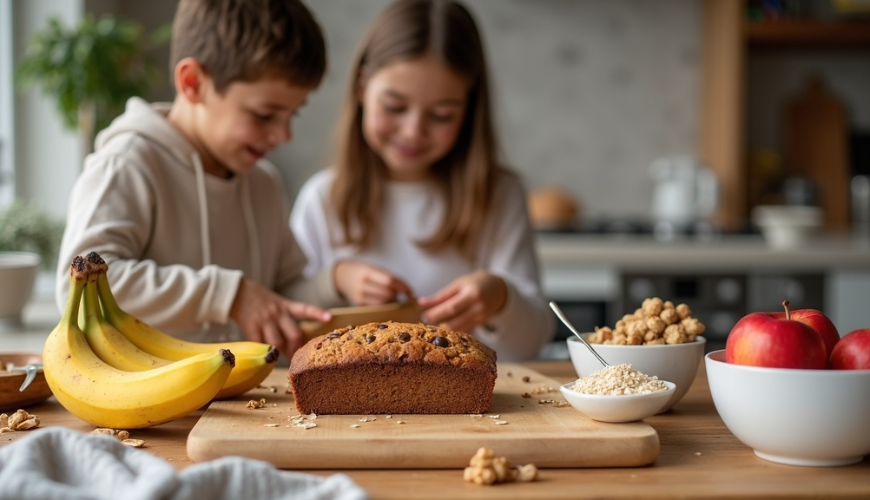
Sweet baking holds a special place in Czech households. The aroma of vanilla, cinnamon, or freshly baked cake can turn an ordinary afternoon into a small celebration in just a few minutes. Yet, more and more people are looking for ways to enjoy sweets without relying on large amounts of refined sugar. This is where sugar-free desserts become interesting—not as a punishment or dietary compromise, but as a smart way to highlight the natural flavors of ingredients.
It might sound like a paradox: how can a dessert be "sweet" without sugar? The answer is surprisingly simple. Sweetness can be based on fruits, well-chosen spice combinations, quality cocoa, nuts, or even slightly sweetened dairy products. Moreover, it often turns out that when sugar is reduced or completely omitted, taste buds quickly "adjust," and suddenly, a good dessert without added sugar becomes a full-fledged experience—just a bit cleaner and less sticky.
Try our natural products


What "sugar-free" really means and why it matters
In everyday language, the terms "sugar-free" and "without added sugar" are often mixed. For home baking, it's practical to stick to a simple distinction: a dessert without added sugar contains no white or cane sugar, honey, or syrups added "extra," but it can use sugars naturally present in fruits, milk, or certain grains. This distinction makes sense in terms of taste too—a dessert can be naturally sweet without being overly sugary.
When sugar is limited in a recipe, two things usually happen. First, the batter becomes more sensitive to the quality of ingredients—it suddenly matters more if the banana is truly ripe, if the cocoa is of good quality, and if the nuts aren't stale. Second, sweetness needs to be balanced. In traditional recipes, sugar doesn't just add sweetness; it also affects structure: aiding caramelization, retaining moisture, and adding "body." Therefore, it's worthwhile to work with ingredients that can partially replace these functions—like applesauce, mashed banana, nut butters, or quality oats.
Trustworthy information on navigating sugars and labels is offered by organizations like the World Health Organization (WHO), which has long recommended reducing free sugars in the diet (meaning added sugars and sugars in honey, syrups, or fruit juices). It's not about making baking a strict regimen but rather about finding inspiration on how to enjoy sweets more smartly.
And what about sweeteners? Some people prefer stevia or erythritol, while others avoid them due to taste. In home baking, it's often most pleasant to work with what is already naturally sweet—like fruits and spices. As they say: "When the ingredient is good, half the work is done."
How to create a delicious dessert without sugar that still brings joy
The most common concern is: will it taste good? Will it be "like normal"? The reality is that a recipe for a tasty dessert without sugar is more about a different type of sweetness than its absence. Instead of a sharp sugar hit, there comes a more gradual, fruity taste and often a more pronounced aroma. It helps to think of the dessert as a whole: sweetness, acidity, fat, texture.
These principles work great:
- Ripe fruit as a sweetness base: banana, pear, mango, dates, baked apples, or plums. The riper, the better. A banana with brown spots will do much more in the batter than a "snack" banana.
- Sour contrast: plain yogurt, kefir, quark, lemon juice, currants, or raspberries. Acidity enhances perceived sweetness even without sugar.
- Spices and aroma: cinnamon, cardamom, vanilla, tonka bean, nutmeg. Aroma often creates the impression of "sweetness" before it's even tasted.
- Fat and texture: nuts, seeds, coconut, quality butter, or vegetable oils. Fat carries flavor and gives the dessert a feeling of fullness, so the sweetness doesn't feel "empty."
- Cocoa and bitter tones: quality cocoa or dark chocolate with a high cocoa content (preferably without added sugar or with minimal amounts) can create a full flavor that doesn't need sugar.
Now, a simple real-life example familiar to many households. Imagine a Sunday visit to grandparents, where something sweet is traditionally served with coffee. In the family, there is a small child whose parents don't want to give cakes full of sugar, and at the same time, an adult is trying to limit sweets for energy during the day. Instead of baking two different versions, a good dessert without added sugar can be prepared—like a moist banana-apple bread with nuts. Adults appreciate that it's not overly sweet, the child gets something "festive," and no one feels like they've had to give up anything. Often, the "sugar-free" version is the first to disappear because it tastes like fruit and spices, not sugar.
Recipe for a tasty dessert without sugar: moist banana, apple, and nut bread
This recipe is practical because it relies on available ingredients and skips refined sugar. Sweetness comes from bananas and apple, structure from nuts and oats.
Ingredients (for a small loaf pan, approx. 25 cm):
- 3 very ripe bananas
- 1 large apple (coarsely grated)
- 2 eggs (or 2 tablespoons chia + 6 tablespoons water as a vegan option)
- 80–100 ml vegetable oil or melted butter
- 200 g oats (some can be blended into "flour")
- 1 baking powder (preferably phosphate-free)
- 1–2 teaspoons cinnamon, a pinch of salt
- a handful of walnuts or hazelnuts
- optionally: a handful of raisins (if a naturally sweeter profile is not an issue), or a few tablespoons of quality cocoa
Method: Mash the bananas with a fork into a smooth mash, add grated apple, eggs, and fat. Then add oats, baking powder, cinnamon, and salt. Finally, stir in the nuts. Pour the batter into a greased pan and bake for about 40–50 minutes at 175–180 °C (depending on the oven) until a skewer comes out clean. Once cooled, the bread slices better and the flavor "rounds out."
The result is a sugar-free dessert that tastes naturally sweet, is moist, and lasts several days. It's perfect for a snack, with coffee, or as a quick breakfast when mornings are rushed. For a slightly more festive version, just add some plain yogurt on top, a few raspberries, or a spoonful of nut butter.
Homemade sugar-free cookies: when you need something for the pocket and the tray
Cookies are a special discipline. In classic recipes, sugar holds shape, contributes to crispness, and creates the typical "cookie" taste. Yet, homemade sugar-free cookies can be made that are pleasantly sweet thanks to fruit and simultaneously practical: suitable for a box, a trip, work, or kids at school.
One of the best paths leads through oats and banana. It's a combination that works without complexities and forgives slight deviations. And for those who enjoy variety, cinnamon, coconut, chopped nuts, or a few pieces of sugar-free chocolate can be added.
Quick oatmeal homemade sugar-free cookies (just a few ingredients)
Ingredients:
- 2 very ripe bananas
- 160–180 g oats
- 1 teaspoon cinnamon
- a pinch of salt
- optionally: a handful of chopped nuts, seeds, coconut, or cocoa
Method: Mash the bananas, add oats, cinnamon, and salt. Let the mixture sit for a few minutes to allow the oats to absorb. Then form small patties and bake for about 12–15 minutes at 180 °C until the edges are golden. Once out of the oven, let them cool—they will gain a firmer structure.
These cookies aren't "crunchy like shortbread," but they are hearty, fragrant, and naturally sweet. For a crunchier version, some oats can be finely blended, and a bit more fat can be added (like a spoonful of coconut oil). For a smoother texture, a spoonful of plain yogurt or applesauce can be added.
Try our natural products


In practice, the best part is that the recipe can be easily adjusted to what's at home. Overripe bananas that would otherwise end up in the bin? Suddenly they're the most valuable ingredient. A few nuts from the pantry, leftover coconut from baking, a spoonful of cocoa—and something that seems like a thoughtful bake is created, even though it took just a few minutes.
Sweet without refined sugar isn't about giving up desserts. It's more about changing perspective: instead of chasing the sweetest taste possible, the focus is on balance, aroma, and a good feeling after eating. Whether it's a moist bread or simple homemade sugar-free cookies, it often turns out that the craving for sweets can be satisfied more gently—and maybe that's why people return to such recipes. All it takes is to give ripe fruit, quality ingredients, and a bit of spice a chance… and who knows, it might become a new family standard for coffee and on the go.