

A white tongue often disappears when you improve your hydration and add gentle tongue cleaning.

A white coating on the tongue can catch a person off guard right in the morning when looking in the mirror. Sometimes it disappears after brushing teeth and a glass of water, other times it lingers for days accompanied by bad breath, a bad taste in the mouth, or sensitivity. That's why there is such focus on what a white tongue signals, what a white tongue means, and when it's just a minor issue related to hygiene, and when it's worth paying attention. The tongue is a bit like a "litmus paper" of daily habits: it shows how the mucous membranes are doing, how hydrated a person is, what's happening in the mouth, and sometimes even if the body is fighting an infection.
It's good to remember that the tongue itself isn't naturally snow-white or perfectly pink for everyone equally. The colors of the tongue commonly change depending on what a person has eaten, drunk, whether they breathe through their nose or mouth, their hygiene habits, as well as the season (heating and dry air have their effects). The goal is not to see a disaster in every coating but to understand the connections and know what helps with a white tongue when it appears repeatedly.
Try our natural products
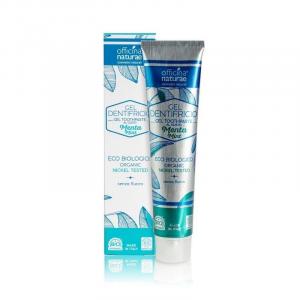
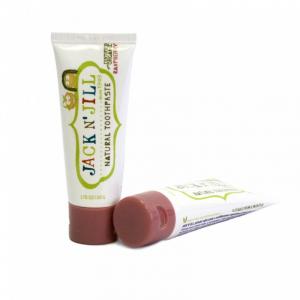
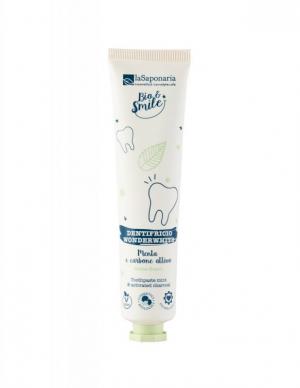



What a White Tongue Means and What It Can Signal
The term white tongue usually refers to a whitish to creamy coating on the tongue, which can be as thin as mist or, conversely, thicker, "curd-like," sometimes with clusters. It most often forms when food remnants, dead mucosal cells, and bacteria accumulate on the tongue's surface. When the papillae (tiny projections on the tongue) elongate or the surface becomes drier, the coating holds more firmly and is more visible.
The most common, and at the same time least dramatic explanation is simple: insufficient hydration, dryness in the mouth, and the usual "morning" layer. At night, swallowing is less frequent, saliva is produced more slowly, and the mouth is less self-cleaning. Add mouth breathing during a cold or snoring, and it's clear why a whitish film appears in the morning. Similarly, the coating can become more pronounced after coffee, alcohol, or sweet food, which benefits the bacteria in the mouth.
Then there are situations where what a white tongue signals points more toward infection or irritation. A typical example is yeast infection in the mouth (thrush, candidiasis). The coating is often more pronounced, may resemble cottage cheese, can sometimes be wiped off, revealing red and sensitive mucosa underneath. It appears more often after antibiotics, with weakened immunity, in people with diabetes, or with prolonged dryness in the mouth. For some people, there is also burning or impaired taste perception.
Another common reason is inflammation in the oral cavity or throat: virus infections, tonsillitis, canker sores, mucosal irritation. The body reacts with increased coating formation and changes in the mouth's environment. Sometimes a white tongue appears with reflux, where stomach acids move back up, and the mucosa is irritated long-term. In such cases, people often notice morning throat scratching, a feeling of a "lump," or a sour taste.
It's fair to mention less common but important associations: long-term changes on the tongue (white maps, spots, coatings that cannot be wiped off, pain or bleeding) should be checked by a doctor or dentist because chronic inflammations, leukoplakia, or other mucosal issues need to be ruled out. It's not about causing alarm but having a healthy reflex: if the coating persists for weeks, returns without apparent cause, or is accompanied by pain, it's better to address it professionally.
When people ask, what a white tongue means, they often also refer to "digestive signals." It's true that the state of the oral cavity is related to overall health and the microbiome, but directly "reading" the tongue as a map of organs is often an oversimplification. Practically, it makes the most sense to monitor whether the coating is linked to specific triggers (not drinking enough, cold, antibiotics, a lot of sweets), and adjust habits accordingly.
“The mouth is the gateway to the body – and what happens on the mucosa often reflects daily habits and the body's current stress.”
So it's not just theory: in real life, it often plays out subtly. For example, in winter, when the heating is on, the air is dry, and a person drinks less. A few days of cold, mouth breathing at night, and in the morning, the tongue is coated more than usual. Someone might try to "scrub" it with a hard brush, irritating the tongue and paradoxically worsening the coating. Often, simply restoring regular hydration, gentle tongue cleaning, and humidifying the air would suffice.
Tongue Colors and How to Read Coating Without Panic
Changes on the tongue aren't just about white. Tongue colors vary widely, and context is more important than the shade itself. A pink tongue with a slight whitish film in the morning is usually normal. A bright red tongue can accompany feverish states, inflammations, or a deficiency in some nutrients (often mentioned are B12, folate, or iron, but without examination, it's just a guess). A yellowish coating can be related to smoking, coffee, certain foods, or inflammation in the mouth. A dark to "hairy" tongue (black hairy tongue) is associated with overgrowth of papillae, smoking, antibiotics, or insufficient mechanical cleaning – it looks dramatic, but often it's a solvable hygiene and habit issue.
For the white coating, it's useful to note three things: how long it lasts, whether it can be wiped off, and if it hurts. A wipeable coating on the tongue, which improves after gentle cleaning and drinking, is usually a hygiene-routine matter. If the coating is thick, "curd-like," returns after wiping, and the mucosa is sensitive, it's worth considering yeast and consulting it with a doctor or dentist. And if white spots appear that can't be wiped off, or if pain, bleeding, or swollen glands are added, it's better not to wait.
Trustworthy information on oral health and candidiasis is offered by sources like Mayo Clinic (on oral thrush) or the British NHS (on white tongue and oral thrush). For the Czech context, educational materials from dental practices and dental office materials focusing on tongue hygiene and gum inflammation prevention can be good sources. (Specific recommendations may vary depending on age and health status, but the basic principles are surprisingly similar.)
White Tongue in Children: When It's Common and When to Pay Attention
White tongue in children is a chapter of its own because children's mucosa is more sensitive, and parents understandably become concerned more quickly. In young children and toddlers, a whitish coating is sometimes just residual milk or cereal, especially after a night. If the coating wipes off easily and the child is otherwise fine, there's often no cause for concern.
It's advisable to pay attention when the coating looks like a continuous white layer that doesn't wipe off easily, or when white "islands" appear on the tongue, palate, or inner cheeks. This can correspond to thrush (yeast), which is quite common in infants and young children. Sometimes restlessness during breastfeeding or eating is added, the child may refuse to suck, and the mucosa may be red and sensitive. In older children, throat pain or cracked corners may accompany it. In such a situation, it's better to contact a pediatrician, as the treatment is often targeted, and it's important to address possible transmissions (for example, between the child and the breastfeeding mother).
In children, dehydration during fever or diarrhea is also more common: the mouth is dry, saliva is thicker, and the coating on the tongue quickly becomes more pronounced. The main help here is clear – adequate fluids and addressing the cause of the illness. And if the child is lethargic, urinates little, has a high fever, or the coating is accompanied by significant pain, a professional check-up is advisable.
What Helps with a White Tongue: A Gentle Routine That Makes Sense
When addressing what helps with a white tongue, the best results come from a combination of simple steps that support the mouth's natural self-cleaning. It's not about aggressive scrubbing or miraculous "detoxes," but about small changes that add up.
The foundation is regular hydration. The tongue and mucosa need moisture to prevent easy coating formation and to avoid bacteria overgrowth. In practice, plain water, herbal tea, or broth often help, while alcohol and excessive coffee can worsen dryness. During the heating season, humidifying the air in the bedroom, airing out the room, and placing a bowl of water on the radiator make sense.
Next is gentle tongue cleaning. Many people meticulously brush their teeth but leave the tongue alone, even though the coating holds most on it. A soft brush or tongue scraper helps – gently, without pressure, ideally once a day. If the tongue burns or is sensitive after cleaning, it's a signal to ease up, not to do more.
The overall condition of the oral cavity is also important: interdental hygiene, regular dental check-ups, and addressing gum inflammations. Inflammation in the mouth changes the environment, making coatings form more easily. Diet also plays a role: excess sweets and sticky foods favor bacteria, while crunchy vegetables, sufficient proteins, and a sensible eating routine support "mechanical" cleaning and a more stable microbial balance.
If there is a suspicion of yeast (typically after antibiotics, during weakened states, or with a pronounced curd-like coating), a home routine might not suffice. In such cases, it's advisable to address the situation with a doctor, as antimycotics are sometimes needed, as well as habit adjustments to prevent recurrence. For dentures or braces, meticulous hygiene is crucial because microorganisms hold more easily on their surfaces.
And when looking for gentle support in daily routine, it's worth considering what's used in the mouth every day. Natural oral hygiene without unnecessarily aggressive components can be more pleasant for sensitive mucosa, as well as gentle toothbrushes, mild pastes, or accessories that support regularity (such as a tongue scraper). In an eco-friendly household, sustainability is often considered too – and even in the bathroom, choices can be made to ensure the routine is effective yet considerate.
If only one practical framework were to remain, it would be this: white coating on the tongue is often a combination of dryness, hygiene, and the body's current stress. When hydration is balanced, nasal breathing improves (perhaps after a cold subsides), gentle tongue cleaning is added, and excess sugar is reduced, the situation resolves itself for a large number of people. And if it doesn't improve, hurts, or more symptoms appear, it's a useful signal, not a reason to panic – just a reminder that the mouth sometimes asks for a little more attention.