
Zero waste is a path that reduces waste in the household without unnecessary extremes.
In recent years, living without unnecessary waste has become a topic that has moved from the fringes of ecological debates into everyday households. It is not about a competition in perfection or an ascetic regime where one has to give up comfort. Zero waste is more a way of thinking: when we buy, use, and discard something, it's worth pausing for a moment to ask a simple question: do we really need it as a single-use item, or is there a smarter alternative?
And that's where the magic lies. What is zero waste in practice? It does not mean "zero waste at any cost," but rather an effort to prevent waste from the moment we make decisions in the store, bathroom, or even when packing lunch for work. Often, a small change in habits is enough, and results come faster than one might expect—less cluttered trash bins, fewer unnecessary purchases, and paradoxically more peace at home.
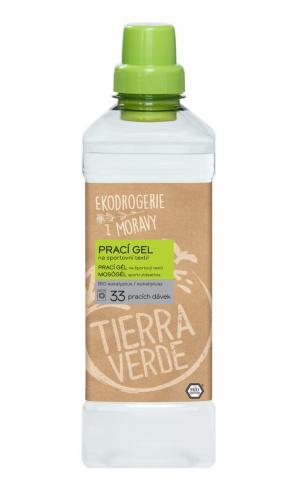
Try our natural products
What zero waste means and why it makes sense without extremes
When people hear "life without waste," many imagine a jar with a year's worth of leftover waste proudly displayed on social media. But the reality of an average household is different. Zero waste is primarily about reducing the amount of waste and choosing products and services that do not leave an unnecessary footprint. Sometimes this means buying a quality item that lasts for years, other times it means using what is already at home and not buying anything new.
It's also important to understand that waste isn't just "what goes into the trash." Packaging, transportation, energy for production, and what happens to the product after its life ends all come into play. Yet, it's not necessary to get lost in the details. To start, a simple principle is enough: refuse what I don't need, reduce what I use, reuse what makes sense, and only then deal with sorting and recycling. This approach is often summarized in the so-called 5R (Refuse, Reduce, Reuse, Recycle, Rot), although in everyday life, it's not necessary to recite it like a mantra.
Why do it all? Besides the ecological impact, there is also a practical one. Fewer things mean less cleaning, fewer impulsive purchases, and often less spending. And if someone hesitates whether it "makes sense," it's worth remembering that waste management is a huge system trying to handle an ever-growing amount of waste. The European Environment Agency has long pointed out that waste prevention is one of the most effective ways to reduce pressure on resources and emissions associated with production. (See information from the European Environment Agency.)
And then there's another dimension that often emerges over time: the feeling that the household runs more simply. When a person stops drowning in single-use items and starts using a few proven things repeatedly, the daily routine calms down.
"It's not about doing everything perfectly, but doing it consciously."
How to easily incorporate zero waste into everyday life (and not go crazy)
The biggest obstacle is often the feeling that everything needs to change all at once. But how to easily incorporate zero waste into everyday life? Best gradually, in small steps, ideally where the change doesn't hurt and quickly shows results. Often these are places where waste is created "automatically": shopping, kitchen, bathroom, and cleaning.
A simple start works well: notice what predominates in the trash for a week. Are they plastic snack wrappers? Disposable bottles? Paper towels? Once it's clear what is most frequently discarded, it's easy to find one replacement that makes a big difference.
Real-life example: when the snack changes, so does the trash
A typical situation: a parent prepares a snack for their children to take to school. Every day a new bag, napkin, packaged juice, cookie in plastic. At the end of the week, there's a pile of packaging in the trash that's also difficult to sort. The solution doesn't have to be a big revolution—just a lunchbox, cloth napkin, and water bottle. It sounds trivial, but these three things can often remove dozens of single-use packages a month. And the bonus? Kids quickly get used to the fact that the lunchbox belongs at home, and the household stops worrying about whether "bags have run out again."
It works similarly at work: instead of a daily disposable coffee cup, one thermos mug is enough. It's not about heroism, but about routine.
Zero waste without waste as a direction, not a vow
With the term zero waste without waste, it's good to be fair to yourself: absolute zero is unrealistic for most people. The aim is to reduce waste where it can be done easily, and for the rest, gradually seek better alternatives. Sometimes one encounters limitations—for example, the availability of packaging-free stores, allergies to certain materials, or time constraints. Even so, a lot can be done. And if something doesn’t work today, it might work in six months when a more suitable alternative appears.
A great help is to focus on things that are bought frequently. If a single-use product is replaced with a reusable one in an area that repeats daily, the effect is noticeable. And this is where alternatives to single-use products come into play.
Alternatives to single-use products: small changes that make a big difference
Single-use products are convenient, but often only for a few minutes. In real life, this means that rolls, bags, wrappers, and bottles pile up at home, heading to the trash faster than one can refill the pantry. Alternatives to single-use products are not exotic—most are readily available today and often more pleasant to use.
Below is a practical list that can serve as inspiration. It's not necessary to adopt everything, just choose two or three things that make sense right now.
Practical and sustainable tips (a list that can be used right away)
- Cloth bags and bags for bread and vegetables instead of plastic bags; they are easy to wash at home and quickly become a habit.
- Water bottle instead of disposable PET bottles; ideally one that seals well and is easy to clean.
- Thermos mug or personal cup for coffee on the go; many cafes are happy to pour a drink into your own.
- Food containers instead of cling film and disposable containers; suitable for snacks and leftovers.
- Solid soap and solid shampoo as alternatives to plastic bottles; they often last long and don't clutter the bathroom.
- Plastic-free or replaceable razors instead of disposable ones; the difference is mainly in the amount of bathroom waste.
- Reusable makeup remover pads instead of disposable cotton; just a small basket for used ones and wash with regular laundry.
- Menstrual cup or cloth pads as alternatives to disposable ones; the advantage is not only ecological but often economical.
- Cleaning products in refill packs or concentrates ideally in gentle formulations; fewer packages and often less chemical load in the household.
- Composting organic waste (composter, vermicomposter, community compost) instead of throwing it into the mix; organic waste makes up a large part of the household trash.
This list is deliberately practical: it involves things that are used repeatedly. Once they become part of the routine, it feels like "zero waste" is happening on its own.
Kitchen: a place where the most waste and money can be saved
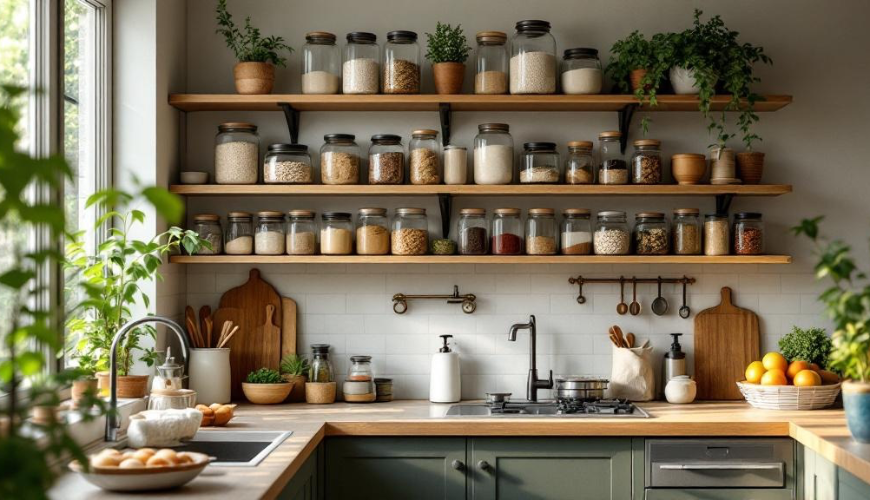
The kitchen is often the biggest source of waste—not only packaging but also discarded food. The zero waste approach here doesn't feel like an "eco discipline," more like a return to common sense. Planning helps: knowing what's in the fridge and not buying more of the same items just because they're on sale. When combined with a few habits, waste starts to decrease.
Food waste is a significant issue. According to the United Nations Food and Agriculture Organization (FAO), a substantial portion of food is lost or wasted on a global scale, leading to wasted resources and unnecessary emissions. (Basic information from FAO on food loss issues) At home, it might seem subtle: stale bread, wilted vegetables, yogurt past date. The zero waste approach doesn't say "never throw anything away," but rather buy in a way that minimizes waste—and when something is leftover, know how to use it (croutons, broth, spread, smoothie, baked dish).
By reducing single-use items, the kitchen simplifies. Instead of a roll of paper towels, cloths and washable towels are used. Instead of constantly tearing off film, reach for a container or lid. And shopping? Some items can be purchased package-free or in returnable packaging, elsewhere it helps to choose larger packages that make sense or brands with refills.
Bathroom: less plastic, less chaos on the shelf
The bathroom is the second place where disposability appears as the norm: bottles, pumps, toothpaste wrappers, razors, cotton swabs. Here, it's often worth starting with one thing that you'll enjoy using. Solid shampoo or solid soap can surprise with how long they last, and suddenly empty plastic containers don't pile up in the bathroom. Similarly, reusable makeup remover pads often make a big impact—disposable cotton disappears from the shopping list.
For hygiene products, it's good to find a balance between sustainability and comfort. Some immediately switch to a safety razor, others stick with replaceable heads. Some switch to a natural deodorant, others need a stronger version and seek solutions gradually. Zero waste isn't about suffering but choosing things that work while reducing waste.
Cleaning and laundry: fewer packages, less aggressiveness
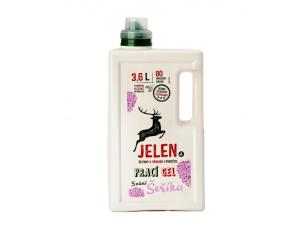
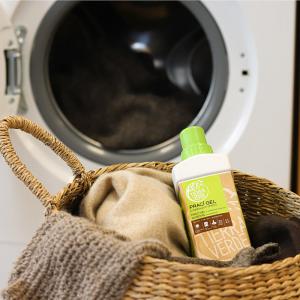
Home cleaning is another area where it's worth thinking ahead. Often, many different products are bought, promising miracles for each surface separately. Yet for an average household, a few gentle helpers and a good system usually suffice. In recent years, concentrates and refillable options have become popular, reducing the amount of plastic. Sometimes simplicity works: one universal cleaner, one dishwashing detergent, one laundry gel or powder that suits. When combined with quality cloths and brushes, single-use sponges and towels decrease.
Choosing a gentler formulation is also important, as sustainability is not just about packaging. Fewer unnecessary aggressive substances can be more pleasant for the household and the aquatic environment. For guidance, it's worth following credible sources and institutions—such as information on waste and waste prevention on the Czech Ministry of the Environment website.
When the "sustainable choice" doesn't work out: it's part of the journey
Sometimes, someone buys an "eco" alternative and finds it doesn't suit them. A solid shampoo doesn't work for the hair, the reusable bottle leaks, cloth bags are forgotten at home. At that moment, it's easy to give up, thinking "it doesn't work." But this is normal. Zero waste is largely about finding your own system. Sometimes it's enough to switch brands, other times to choose a different material or set a simple routine: a bag by the door, a container in the backpack, a bottle at work.
And then there's perhaps the most important thing: the most sustainable product is often the one already at home. Before starting to buy "for zero waste," it often makes sense to look in the cupboards. Sauce jars can serve as containers. An old cotton t-shirt can become a rag. Ice cream boxes can function for food leftovers for a while before being replaced with more durable ones. Sustainability sometimes means mainly not adding more things, even if they're "right."
Zero waste eventually feels less like a trend and more like a return to what used to be common: valuing things, using them repeatedly, repairing, sharing, and shopping thoughtfully. And when a few smart replacements for disposables are added, the household gradually transforms—not ostentatiously, but pleasantly, step by step, until one day you notice the trash is taken out less often and the everyday routine is just as comfortable, only a bit lighter.