

Proper oral hygiene is the foundation that determines the health of teeth and gums.
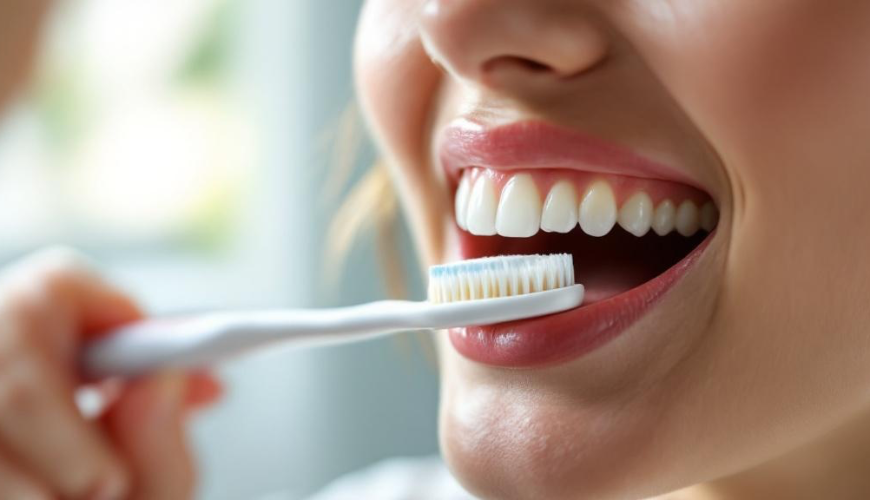
Teeth are a unique calling card: people use them every day, often take them for granted, and yet just a few weeks of a careless routine can lead to problems. Proper oral hygiene is not just about a "nice smile." It relates to self-confidence, comfort while eating, breath, and how bacteria thrive (or don't) in the mouth. Since there are many half-truths surrounding dental and oral care, it pays to clear things up once and for all: how to brush your teeth correctly, what not to forget, what to avoid, and why some small details matter more than the most expensive toothbrush.
One might feel that brushing twice a day is enough. However, dental plaque is a persistent opponent: it constantly forms, likes to hide at the gums and between teeth, and its "invisible" layer can cause surprisingly visible damage over time. It's no coincidence that professional institutions emphasize not only frequency but also technique and tools. This is well summarized in the recommendation by the American Dental Association: brushing twice a day with fluoride toothpaste is basic, but what matters is how it's done and what happens between the teeth.
Try our natural products
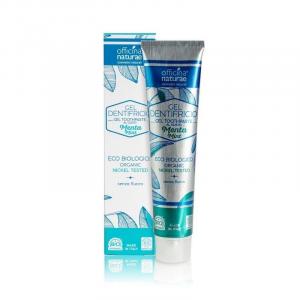
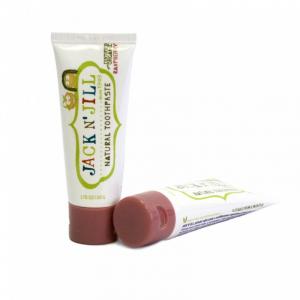
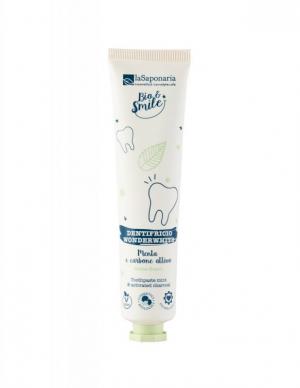
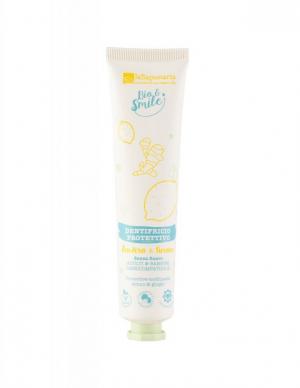


What Happens in the Mouth When You "Just Quickly Brush"
The oral cavity is a living ecosystem. Bacteria, food residues, and proteins from saliva settle on the teeth and gums, together forming plaque. If plaque stays put, it can eventually mineralize into tartar, which usually can't be removed through home care. This is where issues begin: tooth decay often doesn't start with pain but with subtle enamel demineralization. Similarly, gum inflammation initially seems minor – occasional bleeding during brushing, sensitivity – and it's easy to overlook. However, long-neglected gums can lead to more serious problems that are not just cosmetic annoyances.
At the same time, everything about oral hygiene and dental health ultimately revolves around a simple equation: plaque must be removed regularly and gently, even from places a regular toothbrush can't reach. Those who only clean the "front surfaces" may have nice teeth at first glance, but they nurture a problem in the interdental spaces, where cavities often begin.
In practice, it looks like this: rushing in the morning, exhaustion in the evening, a quick brush-through in half a minute, skipping the tongue, putting off interdental care until "tomorrow." Then comes a situation familiar to many: a preventive check-up, the dentist asks about interdental brushes, one nods, and within minutes reality becomes clear. In the waiting room, it often sounds like a universal phrase: "I do brush my teeth…" Yet, proper tooth brushing is more than just a good intention.
How to Brush Teeth Properly: Less Force, More System
The good news: improving the routine usually doesn't require a revolution, just a few small changes that can be maintained. The basics are time – about two minutes – and order, so nothing is missed. The toothbrush (manual or electric) should clean mainly along the gum line, where plaque likes to stay. Applying too much pressure does the opposite of what one wants: it can lead to gum irritation and eventually to gum recession. Thorough cleaning doesn't mean scrubbing.
For manual toothbrushes, a gentle technique with short motions along the gum line and gradually "mapping" the entire mouth is often recommended. The advantage of an electric toothbrush is that the device does the movement – one should guide the brush head tooth by tooth and let it work. A common mistake is "scrubbing" like with a manual brush, just faster. The result can be surprisingly weak, even if the toothbrush cost more than a regular one.
Then there's the toothpaste. Fluoride is most frequently mentioned because it helps strengthen enamel and prevent cavities. For those who want information from a truly solid source, they can check out CDC's information on fluoride and cavity prevention – although it's mainly written for the U.S. population, the principles of prevention are generally applicable. It's also important what happens after brushing: frequent rinsing of the mouth with a large amount of water immediately after brushing can reduce the benefits of the toothpaste. For many people, it's more pleasant to just spit out the excess and let the remaining active ingredients work for a while.
And then there's a topic often left aside in the bathroom: interdental spaces. Dental and oral care without interdental hygiene is like washing only half of a plate and wondering why it still sticks. Dental floss is good for tight contacts, while interdental brushes are suitable for most common gaps – and they are easier for many people to use regularly. The right size is crucial: a brush that's too small won't clean, one that's too large can irritate. If unsure, a short consultation with a dental hygienist who can test sizes and demonstrate the technique without unnecessary embarrassment often suffices.
Tongue care is also increasingly becoming part of the routine. It's not a fad: the surface of the tongue is textured and bacteria hold on easily, which is also related to bad breath. A gentle scraper or the back of some toothbrushes can make a noticeable difference in just a few seconds.
"Clean teeth" aren't just about the morning and evening ritual. A significant role is also played by how often the mouth is "fed" sugars or acids during the day. It's not just about sweets; acidic drinks, juices, flavored waters, or frequent sipping of coffee with syrup can continuously burden the enamel. If such things happen, it's not always best to immediately reach for a toothbrush. After eating or drinking something acidic, the enamel may be temporarily softer, and aggressive brushing could harm it. At such times, it makes more sense to rinse the mouth with water or take a short break.
What to Remember, What Not to Do, and What to Do Instead
In practice, it's useful to keep a few simple rules in mind that are easy to follow even on days when you don't want to deal with anything. And because most questions revolve around this, here's a single overview list – concisely, without moralizing:
- Yes: brush teeth twice a day for about two minutes and proceed systematically so that no area is left out.
- Yes: use interdental brushes or floss every day (ideally in the evening), because cavities and gum inflammation often start between the teeth.
- Yes: change the toothbrush (or brush head) approximately every 2–3 months, or sooner if the bristles are frayed.
- Yes: pay attention to gum bleeding – not as a reason to stop cleaning, but as a signal to soften the technique and be more consistent (and if it persists, address it with a professional).
- No: don't press hard on the brush; scrubbing can damage gums and roots and paradoxically often doesn't clean better.
- No: don't rely on mouthwash as a substitute for brushing; it can be a supplement, but it doesn't mechanically remove plaque.
- No: don't ignore interdental care assuming "there aren't gaps" – even tight contacts have spaces where plaque fits.
At this point, it's often helpful to recall a phrase repeated by dental hygienists so often it's become commonplace: "Only clean the teeth you want to keep." It's humorous, but quite accurate.
Oral Hygiene in Real Life: When Routine Starts to Make Sense
Imagine a typical workweek. Quick morning rush, coffee in a cup, a few smaller snacks during the day, home late in the evening. In such days, it becomes evident whether proper oral hygiene is based on "perfect conditions" or on a habit that works even in chaos.
A typical example: someone buys an electric toothbrush, is excited for the first week, less so the second week, and after a month returns to quick brushing. What often helps is not another purchase but changing small details. For instance, leaving interdental brushes in a visible place (not in a drawer), playing a short song while brushing, or linking the evening routine with something that already happens automatically – like after removing makeup, after a shower, after setting the alarm. Once brushing becomes "the last step of the day," the perpetual postponement disappears.
A real difference can come quickly. Often, just two to three weeks of regular interdental hygiene and gums stop bleeding, breath is fresher, and teeth feel smoother. Not because something miraculous happened, but because plaque stopped accumulating where it was previously overlooked. And when you add a preventive visit to a dental hygienist, it's more about fine-tuning than a "rescue mission."
This includes things that aren't said readily but have a big impact: smoking, frequent sipping of sweetened drinks, teeth grinding due to stress, or long-term dry mouth (for example, from certain medications). Those who feel dry may paradoxically have a higher risk of cavities because saliva naturally helps neutralize acids. Even here, perfection isn't the goal – rather, knowing what's happening and responding sensibly.
And what about whitening? Many people want to lighten their teeth and then tend to "scrub harder" to make them even whiter. However, mechanical scrubbing won't whiten teeth, it can just make them more sensitive. If the aim is a lighter shade, it's safer to start with the basics: removing pigments with regular hygiene, limiting frequent staining drinks, and considering whitening with a professional. Healthy gums and clean interdental spaces often do more for the appearance of a smile than the pursuit of several shades whiter enamel.
In the end, dental and oral care can be seen as a small daily investment with a large return. It's not just about preventing cavities but about having a mouth that doesn't "act up" at the most inconvenient times: on vacation, during work stress, in the middle of winter. Adding regular preventive check-ups and occasional dental hygiene creates a surprisingly stable combination – without drama, without pain, and without having to deal with problems at the last minute.
For those who want a really simple rule, it can be translated into everyday language: clean gently but thoroughly, don't forget between the teeth, and don't underestimate the gums. Everything else – the type of toothbrush, toothpaste flavor, brand of interdental brushes – are just details that can be adjusted to make the routine pleasant and sustainable in the long term. And that might be the most important "secret ingredient" in oral hygiene.