

Get rid of insects at home without chemicals and odor
Summer brings, along with sunshine and warmth, one unwelcome companion – insects. Flies circling over fruit, mosquitoes lurking by the window, ants marching through the kitchen, or moths hidden deep in the wardrobe. We all know it well. And sooner or later, each of us faces the same question: how to get rid of them without reaching for aggressive chemical products that smell, irritate, and leave us wondering whether they are even safe for children, pets, or simply for everyday life in the home?
The answer to this question exists and is surprisingly close at hand. Natural insect repellents for the home have been growing in popularity in recent years – and for good reason. This is not merely a fashionable trend in the spirit of an eco-friendly lifestyle, but a set of functional, scientifically supported alternatives that can, in many situations, replace synthetic pesticides and sprays. And what's more – a large proportion of them are completely odourless, or smell so pleasant that you might mistake them for home fragrances.
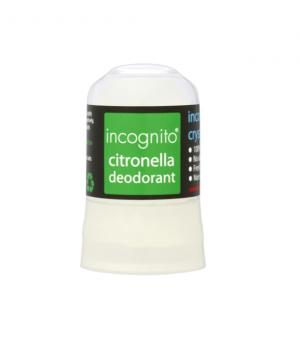
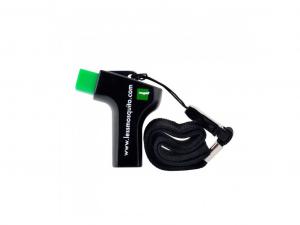
Try our natural products

Why avoid chemical products?
Before we dive into the world of natural solutions, it is worth understanding why we should look for alternatives in the first place. Common chemical insect repellents and insecticides contain substances such as DEET, permethrin, or various pyrethroids. These compounds are effective – nobody disputes that. The problem lies in what they do beyond their intended target. Studies published, for example, in the journal Environmental Health Perspectives highlight the possible negative effects of long-term exposure to these substances, particularly in children, pregnant women, and people with respiratory conditions. Moreover, synthetic insecticides frequently eliminate beneficial insects – bees, bumblebees, or ground beetles – and contribute to disrupting the ecosystem even within a small garden or balcony.
The strong chemical smell they leave behind is another problem. Nobody wants a scent in their home that is reminiscent of an industrial chemical warehouse. And this is precisely where the natural, chemical-free and odour-free approach comes in – or at least free of unpleasant odours.
It is worth noting that many of our grandparents lived in households where no chemicals were ever considered for repelling insects. Lavender hung by the window, cedar in the wardrobe, vinegar along door edges – those were their tools. And it worked. Today we are returning to these methods, but with a much better understanding of why and how they work.
Take, for example, a family from Brno who decided to switch entirely to a natural household after the birth of their second child. Mrs Markéta describes how ants in the kitchen troubled her every spring. She tried various sprays from the shop, but was always put off by the smell and concerns about safety for her infant. She eventually tried a combination of peppermint essential oil and diatomaceous earth along the gaps and door frames. The result? The ants disappeared within a week, and she returned to her kitchen without feeling as though someone had just disinfected an operating theatre.
Which natural substances actually work?
The world of natural repellents is rich and diverse. Different plants and their extracts act on different species of insects – and therein lies their advantage. Instead of a single universal poison that destroys everything indiscriminately, natural preparations can be purposefully combined according to the specific problem at hand.
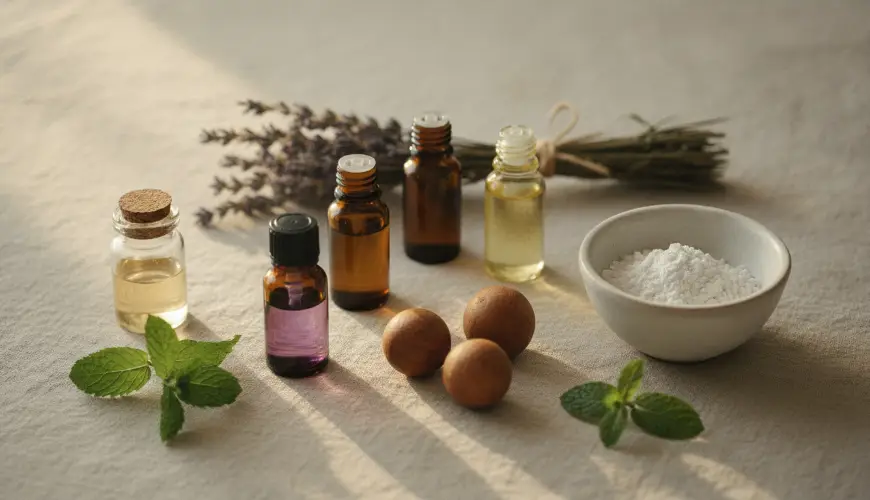
Essential oils are one of the most versatile tools in this regard. Citronella oil is well known as a natural mosquito repellent – its effectiveness is confirmed by scientific research, including a study published in the Journal of Vector Ecology. Eucalyptus oil, specifically its OLE variant (oil of lemon eucalyptus), is even approved by the US Centers for Disease Control and Prevention (CDC) as an effective mosquito repellent. Peppermint oil repels ants, spiders, and even mice. Lavender oil protects clothing from moths and smells so pleasant that people add it to their laundry intentionally.
These oils can be used in various ways – diluted in water as a spray, in a diffuser, on cotton balls placed in the corners of wardrobes or along window edges. It is important to use high-quality, pure essential oils without synthetic additives, as cheaper variants may contain substances that reduce their effectiveness or even cause irritation.
Another excellent option is diatomaceous earth – a natural powder composed of fossilised remains of algae. It looks like fine flour, but for insects with an exoskeleton (such as cockroaches, fleas, or bedbugs) it represents a deadly trap. It mechanically damages their protective layer, causing dehydration. For humans and pets, it is completely safe when food-grade quality is used. It is sprinkled along walls, behind appliances, or under furniture – and works quietly, without odour, without chemicals.
Vinegar also deserves a mention – its strong acidic scent (temporarily unpleasant for us, unbearable for insects) disrupts the scent trails of ants and repels fruit flies. Mixed with water in a 1:1 ratio and sprayed onto surfaces in the kitchen or around the bin, it serves as a simple and inexpensive preventive measure.
Among the lesser-known but highly effective natural repellents is neem oil – an extract from the neem tree (Azadirachta indica), which has been used in India for thousands of years. It contains a compound called azadirachtin, which disrupts the reproductive cycle of insects and repels a wide range of species, from aphids and moths to mosquitoes. It is widely used in horticulture as an ecological pesticide, but can also be used in the home in diluted form.
As entomologist and science communicator E. O. Wilson once said: "Insects are the glue that holds ecosystems together." This quote reminds us that the goal is not to exterminate insects as such, but to naturally and gently regulate their presence in places where they genuinely bother us.
Practical solutions for every room
The natural question that follows is how to put all of this into practice. Each room in the home presents a different type of problem and requires a slightly different approach.
In the kitchen, the greatest enemies are ants and fruit flies. Prevention starts with cleanliness – no food scraps, covered fruit, regular emptying of the bin. Add a few drops of peppermint oil on a cotton ball placed near door gaps or windows, and ants will prefer to find another route. Place a small glass with a little apple cider vinegar and a drop of washing-up liquid near the fruit bowl – fruit flies will be irresistibly drawn to it, but once inside, they won't escape.
In wardrobes and dressing rooms, moths are the greatest threat. Cedar balls or blocks are a classic and tried-and-tested solution – cedar wood contains natural oils that repel moths without damaging clothing or leaving any unpleasant odour. An alternative is sachets filled with lavender or cloves, which also give the entire wardrobe a pleasant fragrance.
In the bedroom, mosquitoes are the most troublesome, particularly during the summer months. A diffuser with citronella or eucalyptus oil is an elegant solution that scents the room while simultaneously repelling insects. If you are sensitive to stronger fragrances, there are also natural insect repellents that are completely odourless – such as the aforementioned diatomaceous earth applied along walls, or physical barriers such as window screens, which in combination with natural products represent the most effective solution of all.
On the terrace or balcony, living plants are a great help. Rosemary, mint, basil, lavender, or pot marigold – these are natural barriers that look beautiful, smell pleasant, and at the same time keep insects at a safe distance. Citronella grass (Cymbopogon nardus) is one of the most effective plants for outdoor spaces in this regard.
It is also important to think about regularity and the combination of methods. No natural remedy is a one-hundred-percent magic wand. But a combination of cleanliness, physical barriers, natural oils, and plants creates an environment that is naturally unattractive to insects. And all of this without a single drop of synthetic chemicals, without irritating odours, and without concerns about the health of the family.
For those who want to get started quickly and simply, the online shop Ferwer.cz, for example, offers ecological products for a healthy home, including natural repellents and essential oils that are gentle on people and the environment alike. The range of such products available today is fortunately wider than ever before.
The natural approach to insect repellence is not a compromise or a step backwards. It is a conscious decision that protects health, spares nature, and works at the same time. All you need to know is where to begin – and nature will do the rest.