
Edible flowers from the garden to your plate
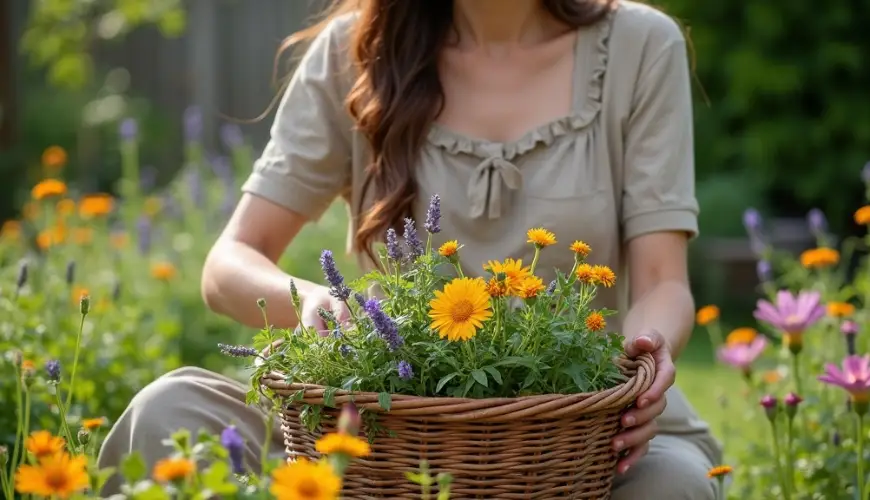
When flower beds and meadows bloom in spring, few people realize they are looking not only at the beauty of nature but also at potential ingredients for their plate. Edible flowers from a Czech garden are by no means a modern fad – our grandmothers routinely candied violets, added elderflower blossoms to pancake batter, and dried marigold petals for tea blends. Today, this tradition is returning with renewed vigor, not only thanks to gastronomic trends but mainly because people are seeking a path toward a more natural and sustainable way of eating. And your own garden is the very best place to start with edible flowers.
Imagine a summer garden party where guests sample lemonade with floating lavender blossoms and bruschetta sprinkled with nasturtium petals. That is exactly the experience Markéta from Kolín prepared for her friends last year, having discovered growing edible flowers almost by accident. "I started growing herbs on my balcony and gradually realized that many of them have beautiful and at the same time edible flowers. Then I got a garden plot, and today I have a bed dedicated exclusively to edible flowers," she describes her journey. Her story is not unique – more and more Czech gardeners are discovering that beauty and flavor can go hand in hand.
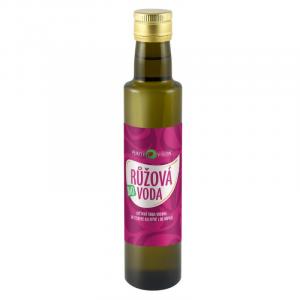
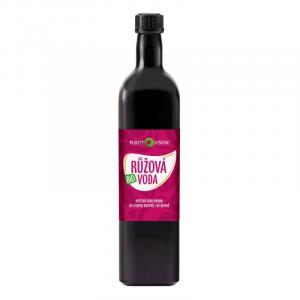
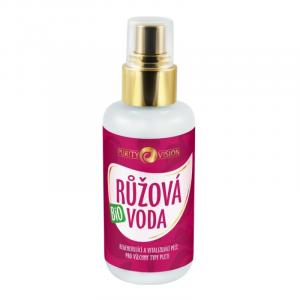
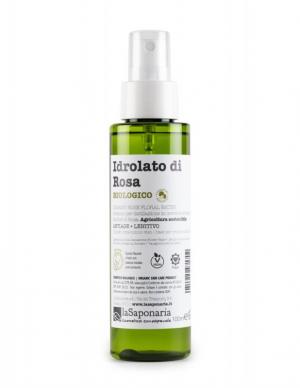
Try our natural products
How to grow edible flowers and what to watch out for
The basic rule that applies to anyone who wants to grow edible flowers is simple: grow them without chemicals. No synthetic sprays, no artificial fertilizers. Flowers that end up on the plate must be absolutely clean and safe. That is why it is ideal to choose an ecological approach to gardening – compost, mulching, natural pest protection through mixed cultures and beneficial insects. This approach perfectly aligns with the philosophy of a healthy lifestyle and respect for nature.
As for the actual growing, most edible flowers are not particularly demanding. Nasturtium, which is an absolute beginner's star, will grow practically anywhere – all it needs is a sunny spot and moderate watering. Its flowers have a spicy, mildly peppery taste and beautifully enliven any salad. Pot marigold is another undemanding species that also benefits the entire garden because it repels certain pests. Violets and pansies can handle partial shade, and their delicate, slightly sweet flavor is suited to desserts and beverages. Borage surprises with its fresh cucumber-like taste and gorgeous blue star-shaped flowers.
For those who already have herbs in the garden, the path to edible flowers is even shorter. Flowers of sage, thyme, rosemary, chives, or lavender are not only edible but often have a more concentrated aroma than the leaves themselves. All you need to do is let part of your herb bed bloom and harvest not just leaves but flowers too. Lavender deserves special attention – its flowers are fantastic in baking, in sugar, in honey, and in lemonades, but they should be used sparingly because their fragrance and flavor are very intense.
It is also important to know that not every flower that looks appealing is edible. Some garden plants are actually poisonous – lily of the valley, monkshood, foxglove, or oleander are among those that should definitely be avoided on the plate. That is why the golden rule applies: never eat a flower you cannot identify with certainty. If you are unsure, reach for a trustworthy botanical guide or check the overview of edible flowers on the Czech University of Life Sciences website, where you will find professionally verified information.
Interestingly, edible flowers are not just a matter of aesthetics and taste. Many of them contain valuable substances – antioxidants, vitamins, and minerals. For example, pot marigold flowers are rich in carotenoids and flavonoids that have anti-inflammatory effects. Elderflower blossoms contain rutin, which strengthens blood vessel walls. And nasturtium is a natural source of vitamin C and substances with antibacterial properties. As the well-known British gardener and edible flower popularizer James Wong noted: "Edible flowers are not just decoration on a plate – they are full-fledged foods that we have ignored for decades."
The actual picking of flowers has its own rules that are worth following. The best time for harvesting is early in the morning, once the dew has dried, but before the sun begins to beat down too strongly. At that moment, the flowers are freshest, most fragrant, and have the highest content of essential oils. Flowers should be picked carefully, preferably into a flat dish or basket so they do not get crushed. After picking, it is advisable to gently inspect them and carefully remove any insects – but definitely do not wash them under running water, as they would lose their structure and some of their flavor. If necessary, simply briefly dip them in a bowl of cool water and gently pat them dry on a paper towel.
Not all parts of a flower are always equally tasty. For most species, it is better to remove the green calyx and stamens and use only the petals. Exceptions are small flowers such as thyme, rosemary, or chive blossoms, which are used whole. With some flowers, such as roses, the white base of the petals can be bitter, so it is worth snipping it off.
From garden to plate: edible flowers in the kitchen
There are countless ways to use edible flowers in the kitchen, limited only by the cook's imagination. The simplest route is to use fresh flowers as decoration and a flavor complement to finished dishes – salads, soups, desserts, cocktails, or simple open-faced sandwiches with fresh cheese. But the possibilities go much further.
One of the most popular methods of preparation is making flower sugar or salt. Simply mix fresh petals with quality sugar or sea salt, let them infuse for several days in a sealed container, and the result is a beautifully fragrant ingredient that transforms even ordinary tea or morning oatmeal into a gastronomic experience. Lavender sugar for crème brûlée, rose salt for a fresh dill salad – these are combinations worth trying.
Another option is preparing syrups and lemonades. Elderflower syrup is a classic that virtually every Czech knows, but lavender, rose, or acacia flower syrup can be prepared in a similar way. Simply pour a sugar solution with a little lemon juice over the flowers and let them steep. The result is a natural, fragrant syrup without artificial additives that works in beverages, on pancakes, and in yogurts.
For those who like to experiment, there are flower vinegars and oils. Marigold or nasturtium petals steeped in quality apple cider vinegar create a beautifully colored and flavor-rich salad dressing. Garlic chive flowers steeped in olive oil lend dishes a delicate garlic nuance.
And then, of course, there is baking. Flowers can be incorporated into batters and doughs for cakes, cookies, or breads. Lavender cookies, rose cake, marigold bread – these are all recipes with deep roots in European culinary tradition. In Provence, lavender has been used in the kitchen for centuries; in Turkey and the Middle East, rose confections are a cornerstone of the pastry arts; and in Czech cuisine, the aforementioned elderflower holds a firm place.
Edible flowers can also be dried and stored for later use. The gentlest method is air-drying in a thin layer in a dry, shaded, and well-ventilated spot. Dried marigold, lavender, or chamomile flowers will then serve all winter long in teas, spice blends, or as decoration on Christmas cookies. Another preservation method is freezing flowers in ice cubes – simply place a flower in an ice cube tray, cover with water, and freeze. These floral ice cubes look absolutely enchanting in summer drinks.
For inspiration, it is worth looking into one of the books dedicated to edible flowers. Several quality titles are available in Czech, but you can also find valuable information in the Plants For A Future database, which contains detailed data on the edible parts of thousands of plants including flowers and is freely accessible online.
When you think about it, growing edible flowers is actually the most natural connection between garden and kitchen. It requires no special equipment, no expensive seeds, nor years of experience. All you need is a patch of soil or even just a few pots on a balcony, a little patience, and a willingness to look at the garden with new eyes – not just as a place where ornamental flowers grow on one side and vegetables on the other, but as a space where beauty and nutrition intertwine.
It is precisely this view of the garden and food that resonates with the ever-growing trend of sustainable living. Growing your own edible flowers means reducing your dependence on industrially processed foods, having control over what ends up on your plate, and at the same time supporting biodiversity in your garden – because blooming beds attract bees, butterflies, and other pollinators that are indispensable for a healthy ecosystem. It is a small step that connects caring for your own health with caring for the planet, and it is precisely in this connection that its true value lies.
So the next time you walk through your garden and stop by a blooming flower bed, try looking at it differently. Perhaps your next lunch is growing right there – and it will be not only healthy and delicious but also beautiful.