

Desserts with protein — tasty and guilt-free
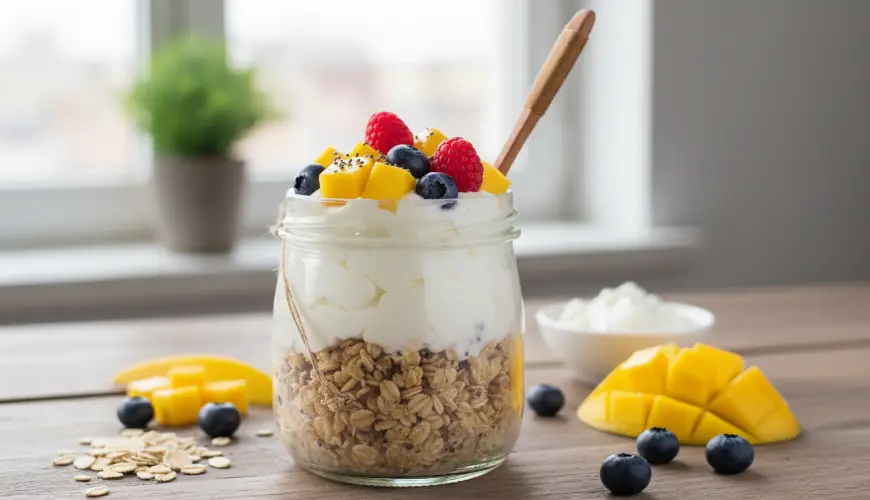
When someone says dessert, most people automatically picture something sweet, caloric, and full of refined sugar. But the world is changing, and with it our idea of what a sweet ending to a meal can be. Healthy desserts with high protein content are no longer the domain of professional athletes or fitness enthusiasts – they are becoming a regular part of the diet for people who simply want to eat smarter. And the best part? They taste great, keep you full for a long time, and your body will thank you for them.
Imagine a typical afternoon scenario. It's three o'clock, another meeting is approaching at work, and your stomach is making itself heard. Your hand automatically reaches for a chocolate bar from the vending machine. It helps in the short term, but half an hour later comes even greater hunger and fatigue. Yet all it takes is having a protein dessert with quark and fruit ready in the fridge – one that not only satisfies hunger but gives your body exactly what it needs at that moment – quality protein, fiber, and slow carbohydrates instead of empty calories. This simple shift in thinking about snacks and desserts can have a surprisingly big impact on overall diet quality.
Try our natural products
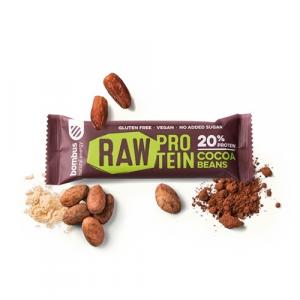
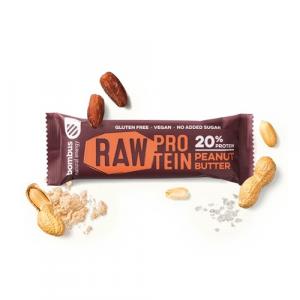
Protein is the fundamental building block of the human body. It's not just about muscles – proteins are involved in the production of enzymes and hormones, support immunity, and play a key role in tissue regeneration. According to World Health Organization recommendations, the diet should be varied and balanced, with an adequate intake of protein from various sources. The problem is that most people get enough protein in their main meals, but snacks and desserts tend to be their weak spot – full of sugar, fat, and empty calories. Yet desserts with protein can be an elegant way to supplement daily protein intake without having to swallow supplements or stuff yourself with yet another chicken breast.
Quark is an absolutely essential ingredient in the Czech context, and we dare say it is one of the best food treasures that Czech cuisine has to offer. Quark contains, depending on the type, between 10 and 13 grams of protein per 100 grams, has minimal fat content (if you choose the semi-skimmed or low-fat variety), and is incredibly versatile. It can be used to make cream, filling, a base for cheesecake, or a simple snack. Just mix it with a little honey or maple syrup, add fruit, and you have a ready-made healthy dessert with high protein content and minimal added sugar. No science, no exotic ingredients, just pure taste and nutrition.
And it is precisely fruit that elevates protein desserts from the category of "I have to eat this because it's healthy" to the category of "I'll have this because it's delicious." Mango and other tropical fruits bring natural sweetness to desserts that in many cases completely replaces added sugar. Ripe mango has such an intense and full flavor that when you blend it with quark and a touch of vanilla, you get a cream that resembles a luxury restaurant dessert. But you don't have to limit yourself to mango – blueberries, raspberries, strawberries, bananas, kiwi, or even peaches work just as well. Each fruit brings different vitamins, minerals, and antioxidants, so rotating them is not only interesting in terms of flavor but also nutritionally beneficial. As British nutritional therapist Amelia Freer once remarked: "The best dessert is the one that nourishes you, not the one that merely pleases you for a moment."
Oats as the secret weapon of protein desserts
When talking about healthy desserts, oats cannot be overlooked. They are cheap, widely available, and incredibly versatile. Oats themselves contain a decent amount of protein – around 13 grams per 100 grams of dry weight – and are also an excellent source of beta-glucan, a soluble fiber that has been proven to help regulate cholesterol and blood sugar levels. Combined with quark or Greek yogurt, they create a base on which a whole range of recipes can be built.
One of the most popular formats is so-called overnight oats. The principle is simple: in the evening, you mix oats with milk or a plant-based drink, add a spoonful of quark or protein powder, a little chia seeds, and leave it in the fridge overnight. In the morning, you add fruit – perhaps sliced mango, a handful of blueberries, or banana slices – and you have a ready-made breakfast or snack containing around 25 to 30 grams of protein and minimal added sugar. It's a recipe for a healthy dessert full of protein that truly anyone can prepare.
But oats can be used in other ways too. Protein balls, sometimes called energy balls, are another great example. Just combine oats, quark, a spoonful of peanut butter, a little cocoa, and honey in a blender, roll the mixture into balls, and let them firm up in the fridge. The result? Small, portable snacks full of protein and with minimal sugar that fit into a handbag or backpack and save every hungry afternoon. Each ball comes out to approximately 5 to 7 grams of protein, which is more than most commercial protein bars, and you know exactly what's in them.
An interesting trend in recent years has also been protein pancakes and flapjacks. The basic batter is made from oats blended into flour, eggs, and quark. No wheat flour, no added sugar. It's cooked on a pan until golden and served with fresh fruit and a drizzle of maple syrup. One serving of these pancakes can contain more than 30 grams of protein, yet it tastes like a weekend treat, not a diet meal. This is precisely the key to sustainable change in eating habits – food has to taste good, otherwise people won't stick with it.
Why it pays to think about sugar differently
One of the biggest myths about healthy eating is the idea that healthy means tasteless. The second biggest myth is that all sugar is bad. The truth lies somewhere in between. Recipes for healthy desserts with little sugar don't mean recipes completely without sweetness – they mean recipes that work with natural sources of sweet flavor instead of refined sucrose. Ripe bananas, dates, honey, maple syrup, mango, or dried fruit – these are all ingredients that give a dessert the sweetness it needs while also providing vitamins, minerals, and fiber that simply aren't found in white sugar.
Research published in The BMJ showed that excessive intake of free sugars – that is, those added to foods during manufacturing – is associated with an increased risk of obesity, type 2 diabetes, and cardiovascular disease. Conversely, sugars naturally present in whole fruit do not have this effect because they are accompanied by fiber that slows their absorption. That is why it is so important to distinguish between a yogurt with strawberry flavoring full of added sugar and a homemade quark cream with fresh strawberries. At first glance similar, nutritionally completely different worlds.
A practical example from everyday life: Lenka, a mother of two children from Central Bohemia, decided two years ago to change her approach to snacks for the whole family. Instead of store-bought puddings and cookies, she started preparing a simple batch of protein muffins made from quark, oats, and banana once a week. The recipe is trivial – two bananas, 250 grams of quark, 150 grams of oats, two eggs, a little baking powder, and cinnamon. Mix everything together, pour into muffin tins, and bake for twenty minutes at 180 degrees. The kids fell in love with them and have no idea they're eating something "healthy." Lenka says the biggest change wasn't the recipe itself but the fact that she stopped thinking of healthy food as a restriction and started seeing it as an opportunity.
This is perhaps the most important lesson that protein desserts offer. It's not about counting every gram and every calorie. It's about finding a balance that works long-term and doesn't bring a feeling of deprivation. When a dessert tastes great, satisfies hunger, and also gives the body what it needs, there's no reason not to reach for it. And when it's also simple to prepare and cheap in terms of ingredients, the last excuse falls away.
For those looking for inspiration, there are several tried-and-tested combinations that work practically every time:
- Quark with mango and coconut – exotic flavor, high protein content, natural sweetness
- Oats with Greek yogurt, blueberries, and almonds – an ideal breakfast or snack
- Protein balls with cocoa and peanut butter – portable, filling, no baking required
- Banana flapjacks made from oats and quark – a guilt-free weekend classic
- Chia pudding with coconut milk and fresh raspberries – light, refreshing, full of fiber
All these recipes share one thing – they use common, readily available ingredients and require no special equipment or cooking skills. Quark, oats, fruit, eggs, nut butters – these are the basics from which an endless number of variations can be created.
The world of healthy eating has moved enormously in the last ten years. It's no longer about tasteless rice cakes and dry chicken breast. Today's healthy desserts with high protein content are creative, delicious, and accessible to everyone. All it takes is overcoming initial skepticism, trying one or two recipes, and letting yourself be surprised. Because once you taste homemade mango quark cream or freshly baked protein muffins, the path back to store-bought overly sweetened desserts suddenly seems unnecessarily dull.