

Try lymphatic drainage at home and see the difference

Swollen feet after a long day at work, a feeling of heavy limbs after a flight, or simply unexplained fatigue. Many people are familiar with these symptoms and look for ways to get rid of them without visiting a clinic or using expensive equipment. It is in this context that the term lymphatic drainage is increasingly being mentioned – a technique that once seemed to be the preserve of luxury wellness centres, but is now finding its way directly into homes. But what exactly is lymphatic drainage, what is it used for, and can it really be performed at home without specialised equipment?
The lymphatic system is one of the least discussed yet absolutely essential systems in the human body. It functions as a kind of waste channel: it collects excess fluid from tissues, filters it through lymph nodes, and returns it to the bloodstream. Unlike the circulatory system, which is driven by the heart, lymph moves only through muscle activity, breathing, and body movement. If a person sits at a computer all day or spends hours in a car, lymph slows down – and this manifests as swelling, a feeling of heaviness, or even reduced immunity. According to the World Health Organization, the proper function of the lymphatic system is closely linked to the body's overall immune defences.
Try our natural products
What is lymphatic drainage and why should you care about it
Lymphatic drainage is a manual or mechanical technique aimed at supporting the natural flow of lymph in the body. Manual lymphatic drainage, as developed in the mid-20th century by Danish physiotherapist Emil Vodder and his wife Estrid, consists of gentle, rhythmic hand movements along the body that mimic the natural pulsation of lymphatic vessels. The movements are slow, light, and always directed towards the nearest lymph nodes – in the groin, armpits, or neck. This is therefore not a conventional deep muscle massage, but rather very delicate work with the superficial tissues.
Mechanical lymphatic drainage uses special devices with pneumatic sleeves or vacuum elements that mechanically replicate the manual technique. These devices are commonly found in rehabilitation centres, beauty salons, and with physiotherapists. They are effective, but their purchase price ranges from thousands to tens of thousands of crowns, which makes home use unrealistic for most people.
What is lymphatic drainage actually good for? The answer depends on whether it is performed by a specialist or attempted at home. In professional care, lymphatic drainage is used in the treatment of lymphoedema – chronic swelling caused by damage to the lymphatic system, for example following oncological treatment. It also helps with post-operative rehabilitation, chronic venous insufficiency, and in patients with rheumatic diseases. In the area of wellness and prevention, it serves to alleviate the feeling of heavy legs, improve skin condition, reduce cellulite, and support recovery after physical exertion.
It is important to mention that lymphatic drainage is not suitable for everyone. People with acute inflammation, thrombosis, cardiovascular diseases, or active malignancies should consult a doctor before beginning any form of drainage. This warning applies doubly to home experiments without professional supervision.
Lymphatic drainage at home: what actually works
And now to the most important question: can lymphatic drainage be performed at home, without a device and without a trained therapist? The answer is a cautious yes – with the understanding that results will depend on technique, regularity, and overall lifestyle. Home approaches can never fully replace professional care, but they can significantly support the natural flow of lymph and bring relief from everyday complaints.
One of the simplest and most effective ways to stimulate the lymphatic system at home is movement. Walking, yoga, swimming, or even jumping on a trampoline (known as rebounding) are activities in which muscles rhythmically contract and relax, mechanically pumping lymph. A study published in the Journal of Bodywork and Movement Therapies confirmed that rebounding is one of the most effective ways of naturally stimulating the lymphatic system. Just ten to fifteen minutes a day is enough to visibly improve circulation and lymph flow.
Another home approach is alternating hot and cold showers. Heat causes blood vessels to dilate and promotes flow, while cold causes them to contract. This alternation acts as a natural pump, forcing fluids to move more efficiently. The procedure is simple: thirty seconds of warm water, ten seconds of cold, repeated three times, ending with cold water. This ritual, popular for example in Scandinavian countries, has a positive effect not only on the lymphatic system, but also on overall vitality and resilience.
Home manual lymphatic drainage is a subject in its own right. Even without attending a course, it is possible to perform basic techniques that are safe and beneficial. The key is to understand a few fundamental principles: movements must be very gentle, not forceful; work always proceeds from the centre of the body outwards and from the distal parts (palms, feet) towards the lymph nodes; never apply strong pressure, as lymphatic vessels are very superficial and delicate.
A practical real-life example: Jana, a thirty-eight-year-old teacher from Brno, suffered from swollen ankles throughout the year, which worsened particularly towards the end of the school year when she spends hours on her feet. On the recommendation of a physiotherapist, she began performing ten minutes of self-lymphatic drainage each evening – using gentle movements from the feet, up through the calves, to the inguinal lymph node chain. The result? After three weeks of regular practice, she reports a significant reduction in swelling and the feeling of heavy legs. She also added evening walks and alternating temperatures in the shower. No device, no therapist – just patience and consistency.
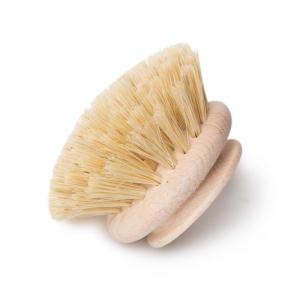
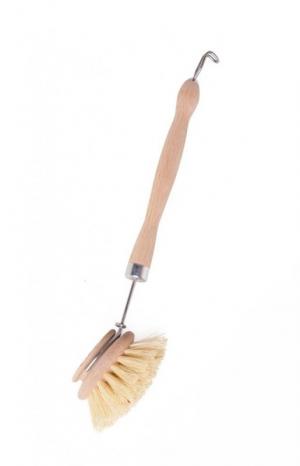
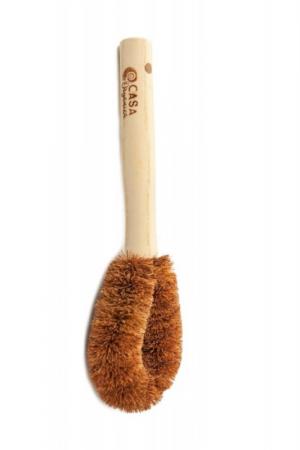
Specialised massage tools such as rollers (fascia rollers), massage balls, or dry brushes also have great potential. The dry brush is one of the most popular tools for home lymphatic care. The dry brushing technique involves gently brushing the skin before showering, always in the direction of the heart. This method stimulates the lymphatic system, promotes the shedding of dead skin cells, and improves the overall appearance of the skin. Natural brushes made from plant fibres are available on the market, which are gentle on both skin and the environment – and fit beautifully into the philosophy of sustainable body care.
Hydration must not be overlooked either. Lymph is seventy percent water, and therefore an adequate fluid intake is absolutely essential for its proper function. Experts recommend drinking at least two litres of pure water daily, ideally supplemented with herbal teas with lymphatic properties – such as nettle, dandelion, or red clover. These herbs are traditionally considered natural supporters of detoxification and lymphatic circulation, although it is always advisable to consult their use with a specialist, particularly in the case of chronic conditions.
As Emil Vodder, the pioneer of manual lymphatic drainage, once said: "The lymphatic system is the silent guardian of health – and only when it stops functioning do we realise how dependent on it we are." This thought aptly captures why it is worth caring for the lymphatic system preventively, rather than waiting until serious problems arise.
Compression stockings or knee-highs are also a popular and accessible option for home care, mechanically assisting the drainage of lymph from the lower limbs. They are not devices in the strict sense of the word, but their effectiveness is scientifically supported and well proven in practice. Compression garments are particularly ideal for people who spend hours sitting or standing – when working in an office, travelling, or in physically demanding jobs.
Diet is also an important component of home lymphatic care. Research shows that an anti-inflammatory diet rich in vegetables, fruit, omega-3 fatty acids, and fibre supports healthy lymphatic function, while excessive consumption of salt, processed foods, and alcohol burdens the lymphatic system and contributes to fluid retention. Turmeric, ginger, garlic, and leafy greens are foods that repeatedly appear in the scientific literature in the context of supporting lymphatic health.
Although home methods cannot fully replace professional lymphatic drainage performed by a certified physiotherapist – particularly in the case of clinically diagnosed lymphoedema or other health complications – their benefit in the area of prevention and everyday wellbeing is undeniable. A combination of regular movement, adequate hydration, temperature alternation, dry brushing, and basic self-lymphatic drainage techniques can yield surprisingly visible results – without a single device and without the need to leave home. The health of the lymphatic system is not a matter of luxury, but of daily attention paid to one's own body.