

# What is the luteal phase and how does it affect your mood The **luteal phase** is the second half

Every month, the same scenario repeats itself. Just a few days ago you felt great, you had energy, motivation for work and socialising, and then suddenly – for no apparent reason – the world seems heavier, more exhausting and more irritating. A coffee stain on your shirt brings tears to your eyes, a colleague says something innocent and you have to hold yourself back from reacting inappropriately. Your partner finds your reaction over the top, you find his reaction insensitive. And then your period arrives and everything returns to normal – as if nothing had happened. If this situation sounds familiar, you have most likely just been through the luteal phase of the menstrual cycle.
Yet most women know surprisingly little about this part of their cycle. School taught us what menstruation and ovulation are, but not much is said about what happens between ovulation and the arrival of your period. And yet this part of the cycle significantly affects mood, energy, sleep, appetite and the ability to concentrate.
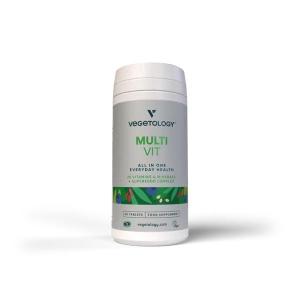
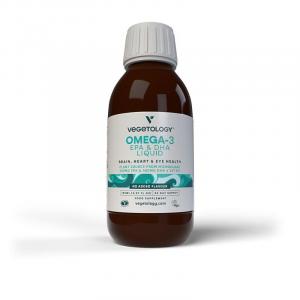
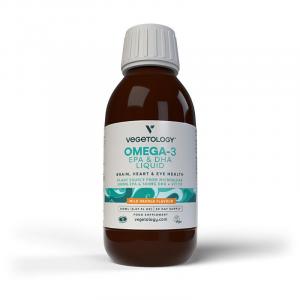
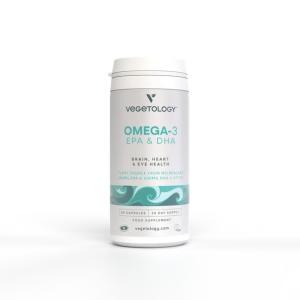
Try our natural products
What exactly is the luteal phase
The luteal phase is the second half of the menstrual cycle, which begins immediately after ovulation and lasts until the first day of menstruation. For a woman with an average 28-day cycle, this means approximately days 14 to 28 – roughly two weeks. In reality, however, the length of the cycle varies from woman to woman, and the luteal phase can last anywhere from ten to sixteen days.
The name comes from the Latin word luteum, meaning yellow. It refers to the corpus luteum – a temporary gland that forms in the ovary after the egg is released during ovulation. This corpus luteum immediately begins producing progesterone, a hormone whose primary role is to prepare the uterus for the possible implantation of a fertilised egg. If fertilisation does not occur, the corpus luteum breaks down after approximately two weeks, progesterone levels drop sharply, and menstruation begins.
However, progesterone is not just a "pregnancy hormone", as it is sometimes simplistically described. It is a substance with a very broad effect on the entire organism – and it is its rise and subsequent fall that is responsible for much of how women feel during the luteal phase. Alongside progesterone, changes in oestrogen levels also occur; in the first part of the luteal phase, oestrogen briefly rises and then also falls. This hormonal dance has a direct impact on the brain, nervous system and bodily functions.
It is therefore no surprise that studies published in the specialist journal Archives of Women's Mental Health repeatedly show that emotional sensitivity, fatigue and physical discomfort are statistically significantly higher in the luteal phase than in the follicular phase or around ovulation.
Why everything seems worse during the luteal phase
This is the part that makes sense to many women once they understand it. The brain is extraordinarily sensitive to hormonal fluctuations – and the luteal phase brings an entire cascade of changes that affect neurotransmitters, the chemical substances through which nerve cells communicate with one another.
Progesterone affects serotonin levels – the hormone of happiness and wellbeing. When progesterone rises, it can temporarily disrupt the serotonergic system, and when it then drops sharply at the end of the luteal phase, the brain feels it as a genuine deficit. The result is irritability, sadness, hypersensitivity, or the feeling that things you normally handle with ease are suddenly beyond your capacity. This is not weakness or excessive sensitivity – it is biochemistry.
GABA, an inhibitory neurotransmitter with a calming effect, works in a similar way. Progesterone is partially converted in the body into a substance called allopregnanolone, which acts on GABA receptors similarly to a natural sedative. But when progesterone levels fluctuate rapidly – which is exactly what happens at the end of the luteal phase – this calming effect becomes unstable. The brain responds with heightened alertness, anxiety and an inability to relax.
Try to imagine a situation familiar to many women: you come home from work exhausted, there is a mess waiting for you at home, your partner asks what is for dinner, and you feel like exploding or bursting into tears – even though in another week of the month, that same question would not bother you at all. This is not drama. It is literally a different brain, different chemistry, a different emotional capacity. The luteal phase shifts the threshold of what you can absorb without reacting.
Physical symptoms add to the emotional dimension. Water retention causes a feeling of bloating and heaviness. Breasts may be tender or painful. Sleep deteriorates – even though progesterone has a sedative effect, waking during the night and less restorative deep sleep are common in the luteal phase. The fatigue is real and physical, not merely "in your head".
Appetite changes – and this too has a biological explanation. During the luteal phase, the body burns more calories at rest (basal metabolic rate is slightly higher), and therefore calls for more energy. Cravings for sweet or fatty food are not a lack of willpower, but a physiological response to the organism's increased energy demands. A study published in the European Journal of Nutrition confirmed that caloric intake in women is statistically higher in the luteal phase than in the follicular phase.
As American therapist and author Alisa Vitti once aptly wrote: "Your body is not your enemy. It is a system that responds to information – and hormones are its language."
When is it still normal and when is it not
Mild symptoms of the luteal phase are entirely natural and are experienced by a large proportion of women. Premenstrual syndrome – PMS – or its more severe form, premenstrual dysphoric disorder, abbreviated as PMDD, is a different matter. These conditions are not simply "stronger PMS", but clinically recognised diagnoses that significantly interfere with everyday functioning.
PMDD affects an estimated 3 to 8% of women of reproductive age and manifests as severe irritability, deep depressive episodes, anxiety, bouts of crying, or even thoughts of self-harm – always tied to the luteal phase of the cycle. Once menstruation arrives, the symptoms virtually disappear, which is a characteristic diagnostic feature. If you recognise yourself in this description, it is important to seek professional help – both gynaecological and psychiatric. PMDD is treatable, whether hormonally, through psychotherapy, or through a combination of both approaches.
For less severe symptoms, there are a range of things that can make the luteal phase considerably more manageable. Research repeatedly confirms the positive effects of regular physical activity – not necessarily intense, but consistent. Walking, yoga or swimming can alleviate both physical and emotional symptoms. Magnesium, whose levels in the body naturally decline before menstruation, has proven to be one of the most effective supplements for reducing cramps, irritability and insomnia during the luteal phase. Vitamin B6 supports the production of serotonin and dopamine. Reducing caffeine and alcohol, which amplify anxiety and disrupt sleep, can significantly change how you feel during this period.
Tracking your own cycle also plays an important role. When a woman knows which phase of her cycle she is in, she can better contextualise her reactions and feelings – and instead of self-criticism, tell herself: "I am in my luteal phase right now, which is why things feel harder. This is not the truth about the world; it is the truth about my chemistry right now." This shift in perspective alone reduces emotional burden. Apps such as Clue or Flo make it possible to track not only menstruation but also mood, energy and physical symptoms – and gradually reveal your own patterns.
Diet during the luteal phase is also not to be overlooked. Foods rich in complex carbohydrates – oats, legumes, wholegrains – help stabilise blood sugar levels and, with them, mood. An adequate intake of omega-3 fatty acids from flaxseeds, walnuts or oily fish has an anti-inflammatory effect that can reduce tenderness and bloating. Conversely, excess salt worsens water retention, and excess sugar causes blood sugar fluctuations that only deepen emotional instability.
The luteal phase is not the enemy. It is part of the natural cycle that has its own biological purpose and its own logic. During this period, the body is preparing either for pregnancy or for renewal – and both processes require energy, rest and resources. When women understand what is happening in their bodies during this time, they stop fighting against themselves and instead begin to listen to the signals their body is sending them. And that is perhaps the most valuable shift of all.