

# What is nutritional density and why should you care about it

Most people who have ever tried to lose weight or simply eat healthier know the feeling – carefully counting calories, weighing portions, refusing favourite foods just because they have "too much" energy. A caloric deficit has become an almost sacred principle of modern nutrition, repeated in magazines, on social media and in doctors' offices. But what if this approach overlooks something substantially more important? What if the question isn't "how many calories am I eating" but "what do those calories give me"?
This is where the concept of nutrient density comes into play – a concept that has been gaining increasing attention among nutrition experts in recent years and which can fundamentally change the way we think about food.
Try our natural products
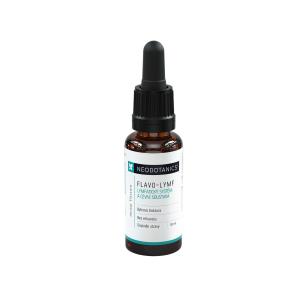
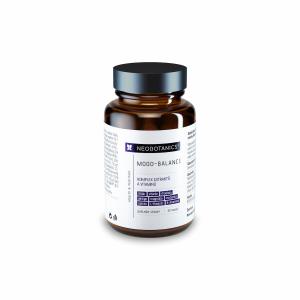

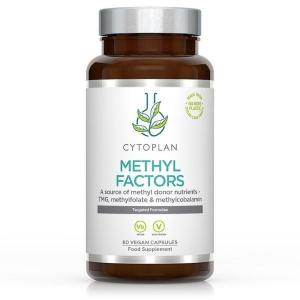
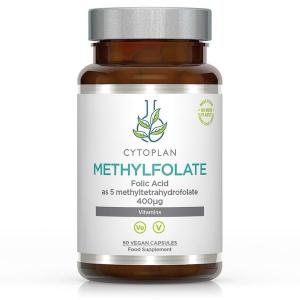
What is nutrient density and how to understand it
Nutrient density refers to the amount of beneficial nutrients a food contains relative to its caloric content. In other words, it's about how many vitamins, minerals, fibre, antioxidants and other biologically active substances a person obtains for every kilocalorie consumed. A food with high nutrient density provides the body with many nutrients at a relatively low energy intake. Conversely, a food with low nutrient density – so-called "empty calories" – supplies energy, but only a minimum of substances that the body actually needs to function properly.
An excellent example of the contrast is leafy vegetables and sugary soft drinks. A cup of fresh spinach contains approximately 7 calories, but also provides vitamin K, vitamin A, folate, iron, magnesium and a whole range of antioxidants. A can of sweetened soft drink, on the other hand, offers approximately 150 calories, but almost no nutrients. Both foods are part of the diet of millions of people, but their benefit to health cannot even be compared.
It is important to understand that nutrient density is not just an academic term for scientists and dietitians. It is a practical tool that anyone can use when shopping and cooking every day. This doesn't require perfect calculations – it's enough to ask yourself a simple question in the shop or at the table: "What will this food give me besides energy?"
Research repeatedly shows that people whose diet is rich in nutrient-dense foods have a lower risk of chronic diseases, better immune function and higher overall vitality. The World Health Organization in its recommendations for a healthy diet emphasises the intake of a varied diet rich in vegetables, fruit, legumes and wholegrain products – foods that are naturally nutrient-dense.
If we look at specific figures, we find that, for example, 100 grams of broccoli provides approximately 34 calories, but contains more than the daily recommended dose of vitamin C, a decent amount of vitamin K, folate and sulforaphane – a substance that is the subject of extensive research for its potentially anti-cancer effects. In contrast, 100 grams of industrially processed biscuits will provide approximately 450 calories, but very few nutrients. This difference is not small – it is vast.
Why counting calories alone is not enough
The caloric theory of nutrition has its logic and makes sense in a certain context. Energy balance – that is, the difference between energy intake and expenditure – does indeed play a role in regulating body weight. The problem arises, however, when calories become the sole measure of diet quality. This oversimplified view ignores the biochemical complexity of what happens in the body after every bite.
Let's take an example from everyday life: Jana, a thirty-five-year-old teacher, decided to lose weight and started strictly counting calories. She didn't exceed 1,500 kilocalories per day, but her diet consisted mainly of low-fat yoghurts with artificial sweeteners, processed muesli bars and diet biscuits. After three months she had lost a few kilograms, but she suffered from chronic fatigue, her hair was falling out and she had frequent infections. She was in a caloric deficit, but was nutritionally starving. Her body was not getting enough magnesium, zinc, B vitamins, quality protein or healthy fats.
Jana's story illustrates what nutrition experts are confirming with increasing emphasis: the caloric value of food tells us nothing about whether food supports or undermines immune system function, hormonal balance, gut microbiome health or cognitive performance. As British physician and researcher Tim Spector aptly noted: "Food is not fuel. It is information for our bodies."
Modern nutritional science also shows that different calories have different metabolic effects. 100 calories from almonds will cause a completely different hormonal and metabolic response than 100 calories from sugar. Almonds slow the absorption of sugar into the blood, provide satiety for longer thanks to fibre and healthy fats, and also supply magnesium, vitamin E and antioxidants. Sugar, on the other hand, causes a rapid rise in blood glucose levels, followed by a sharp drop – and with it hunger, fatigue and cravings for more sweets. Yet the traditional caloric approach would treat these two foods as equivalent.
Research published in journals such as The American Journal of Clinical Nutrition repeatedly demonstrates that diet quality – that is, its nutrient density – is a better predictor of long-term health than caloric intake alone. People who eat nutrient-dense foods naturally tend to eat less, because their body receives what it needs and does not send hunger signals due to nutrient deficiency.
The question naturally arises: why then do so many nutritional recommendations still put calories first? The answer is partly historical – caloric theory is more than a hundred years old and is easy to measure. Nutrient density, by contrast, is a more complex concept that encompasses dozens of different substances and their interactions. But it is precisely this complexity that is the reason it cannot be ignored.
A diet poor in nutrients but rich in calories – that is, the typical industrially processed diet full of refined carbohydrates, hydrogenated fats and added sugars – is, according to the Harvard T.H. Chan School of Public Health, one of the main factors contributing to the epidemic of obesity, type 2 diabetes, cardiovascular disease and other chronic illnesses. And this is despite the fact that many people with these diagnoses do not overeat in terms of calories.
How to increase nutrient density in everyday life
The transition to a more nutrient-dense diet does not have to be dramatic or expensive. It is not about switching overnight to exotic superfoods or spending a fortune on organic products. It is more about gradually reconsidering what forms the basis of one's diet.
The fundamental principle is to prioritise whole, minimally processed foods over industrially processed products. Fresh vegetables, fruit, legumes, wholegrain cereals, nuts, seeds, eggs, fish and quality dairy products – these are foods that naturally provide large amounts of nutrients at a reasonable caloric content. Industrially processed products, on the other hand, even when they are often artificially enriched with vitamins, lose the natural synergy of nutrients that exists in whole foods.
An interesting and practical way to think about nutrient density is offered by the so-called ANDI score (Aggregate Nutrient Density Index), developed by American physician Joel Fuhrman. This system evaluates foods based on their nutrient content per calorie and gives specific numbers that allow easy comparison. Kale and spinach are at the top of the rankings, while cola and white bread are at the very bottom. Even without knowing the exact figures, however, a simple rule applies: the more varied and colourful the plate, the better.
In practice, this might look like: choosing quinoa or buckwheat as a side dish instead of white rice, eating whole fruit instead of juice, or opting for plain yoghurt with a handful of fresh blueberries and a teaspoon of chia seeds instead of a flavoured sweet yoghurt. Each such small change shifts the diet towards higher nutrient density, without the need to drastically reduce portions or go hungry.
A group of foods that is often underestimated in the context of nutrient density deserves special attention – legumes. Lentils, beans, chickpeas and peas are among the cheapest and yet most nutritionally rich foods available. They are full of plant-based protein, fibre, iron, folate, potassium and a whole range of micronutrients. At the same time, they are available year-round, easy to prepare, and their environmental footprint is significantly lower compared to animal products – an aspect that resonates with the values of a sustainable lifestyle.
It is also worth remembering the role of healthy fats in the context of nutrient density. Avocado, extra virgin olive oil, oily fish or walnuts are calorically substantial, but at the same time exceptionally rich in omega-3 fatty acids, vitamin E, polyphenols and other substances with proven health benefits. The fear of fat that prevailed in the 1980s and 1990s and led to an explosion of low-fat industrial products proved to be one of the greatest mistakes of modern nutrition.
Nutrient density is not just a fashionable term – it is a way of thinking about food that returns attention to where it should have been from the start: to what the body truly needs in order to function well, have energy, resist illness and age healthily. Calories are just one part of the equation, and by no means the most important one. The true value of food lies in its composition – in thousands of substances that science is only gradually uncovering and whose interactions are fascinating even from a purely scientific perspective. Stopping asking "how much" and starting to ask "what" can be one of the most beneficial changes a person makes in their relationship with food.