

# Caesarean Section Scar and How to Care for It Properly

Childbirth by caesarean section is today one of the most common surgical procedures in the world. According to data from the World Health Organization, approximately one in five children is born this way, and in some countries it is even one in two. Yet surprisingly little is said about what comes after the birth – specifically about the scar that remains following the procedure. Women leave the maternity ward with a newborn in their arms, millions of questions in their heads, and an incision about which few people say more than "it'll be fine, it'll heal". But a caesarean section scar deserves attention, care and time – and the right approach can significantly affect not only its appearance, but also how a woman feels in her body overall.
Try our natural products
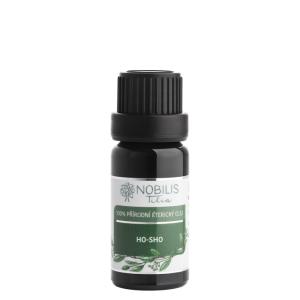
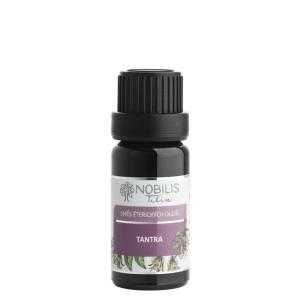
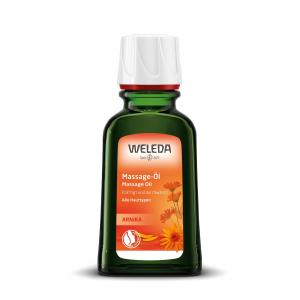
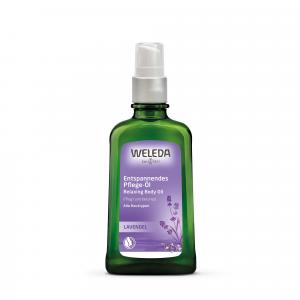
What is actually happening beneath the skin's surface
The healing of a caesarean section scar is a far more complex process than it might appear at first glance. During the operation, the surgeon passes through several layers – skin, subcutaneous tissue, fascia and the uterus. This means that it is not only the visible scar on the abdomen that heals, but all the internal layers as well. This fact is important because even when the surface appears healed, the healing process inside may continue for months or even years.
Healing takes place in three main phases. The first is the inflammatory phase, which lasts approximately the first two weeks – the tissue is swollen, red and sensitive to the touch. This is followed by the proliferative phase, during which the body produces new connective tissue and the scar begins to become firmer and more visible. The third, so-called remodelling phase, can last up to two years. It is during this period that scar care has the greatest meaning and the greatest influence on the outcome.
A scar that does not heal properly can cause a whole range of problems – from persistent sensitivity and reduced mobility in the abdominal area to back pain, urinary difficulties or sexual dysfunction. It is therefore not merely a matter of aesthetics, although this plays a very important role for many women.
Caring for a caesarean section scar step by step
In the first days and weeks after birth, the priority is cleanliness and protection of the wound. The scar should be dry, clean and protected from friction. Most doctors recommend showering rather than bathing, and it is important to gently pat the wound dry – not rub it. Loose clothing made from natural materials that does not press on the operated area is invaluable during this period.
Around the fourth to sixth week, if the wound is fully healed and no infection is present, the time comes for more active care. This is when most specialists begin to recommend scar massage. Why at this point? Because during this period, tissue remodelling is still taking place and the scar is still sufficiently "plastic" to respond to external stimuli. The earlier – within the safe timeframe, of course – massage is started, the better the results generally are.
Caesarean section scar massage has several goals. It releases adhesions that may form between the skin and the deeper layers of tissue, improves blood circulation in the area, supports the regeneration of nerve endings and helps reduce sensitivity or, conversely, numbness around the scar. Many women describe the area around the scar as being numb for a long time, or alternatively hypersensitive – massage helps the nerve tissue to restore normal function.
How should the massage be done correctly? The basis is gentle but targeted pressure. The fingers are placed directly on the scar and moved in various directions – horizontally, vertically and in circular movements. The aim is to move the scar relative to the underlying tissue, not merely to stroke the surface of the skin. At the beginning it may be uncomfortable or even painful – this is normal and the sensitivity should gradually decrease. Ideally, five to ten minutes should be devoted to the massage daily, preferably after a shower, when the skin is warm and the tissue more pliable.
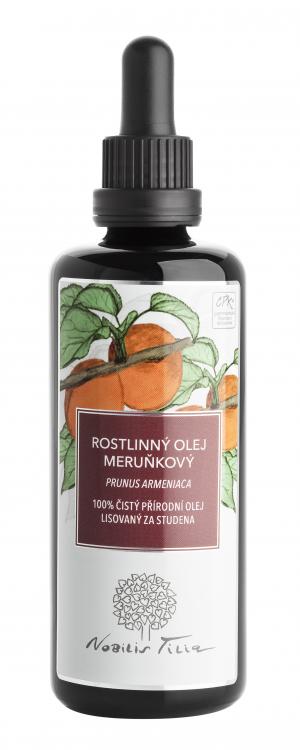
Natural oils or special gels designed for scar care are suitable for massage. Popular choices include rosehip oil, almond oil or sea buckthorn oil, which contain vitamins and fatty acids that support tissue regeneration. There are also special silicone patches or silicone-based gels whose effectiveness in scar care is confirmed by clinical studies – for example, a review published in the specialist journal Advances in Wound Care states that silicone products are among the best-documented methods of scar care.
When and how to return to exercise
Exercise after a caesarean section is a topic that raises many questions and even more contradictory advice. The general recommendation is: rest for the first four to six weeks and limit physical exertion to a minimum. However, this does not mean that a woman cannot move at all – on the contrary, light walking is appropriate practically from the first days after birth and helps prevent thrombosis, supports digestion and improves overall mood.
What is contraindicated in the first few months? Everything that increases intra-abdominal pressure – classic sit-ups, push-ups, heavy lifting or intense cardio. These activities can disrupt healing, cause diastasis recti (separation of the rectus abdominis muscles) or lead to pelvic floor prolapse. The pelvic floor is an area that requires special attention after a caesarean section – even though vaginal birth did not take place, the pelvic floor was under strain throughout the entire pregnancy and deserves targeted rehabilitation.
Physiotherapist Markéta, who specialises in postnatal rehabilitation, describes it this way: "Women often think that after a caesarean section they don't need to exercise their pelvic floor, because they didn't give birth naturally. The opposite is true. Pregnancy itself places enormous strain on the pelvic floor and rehabilitation is important regardless of the method of delivery."
A safe return to exercise should be gradual and ideally guided by a specialist – a physiotherapist or certified trainer specialising in postnatal rehabilitation. The first step is usually activation of the deep stabilising system, meaning the diaphragm, pelvic floor, deep back muscles and transverse abdominal muscle. This group of muscles forms a kind of corset around the spine and internal organs, and its function is often disrupted after birth.
Only once this foundation is stable – and this can take three to six months – is it appropriate to add more intensive exercise. Every woman is different, every birth is different, and the pace of return to exercise should respect the individual condition of the body, not general timelines or pressure from those around her.
A practical example: Lucie, a thirty-three-year-old mother from Brno, returned to jogging for twenty minutes three times a week just six weeks after her second caesarean section, because she felt well and had no difficulties. However, after three weeks she began to experience pain in her lower abdomen and pressure in the pelvic floor area. A visit to a physiotherapist revealed that her pelvic floor was not ready for such strain. After three months of targeted rehabilitation, Lucie returned to exercise again – this time correctly and without any problems. Her story shows that feeling well and the body being truly ready are not always the same thing.
Alongside pelvic floor rehabilitation and the deep stabilising system, releasing the scar in the context of movement also plays an important role. Adhesions that form around the scar can restrict mobility in the entire area and cause compensatory patterns throughout the body – back pain, hip pain or even shoulder pain. For this reason, scar massage and movement therapy are interconnected and should form part of one comprehensive approach.
Research shows that women who actively care for their scar and engage in postnatal rehabilitation have significantly better outcomes – not only physical, but also psychological. The feeling that a woman is actively doing something for her body and her scar contributes to a better perception of her own body and to faster processing of the birth experience. For some women, a caesarean section is associated with feelings of disappointment, failure or trauma – and caring for the scar can be part of the process of acceptance and healing.
A scar should be viewed as part of a story, not as a shortcoming. It is a visible testament to what the body has been through, and it deserves respect and attention. Proper care of a caesarean section scar is not a luxury or an unnecessary indulgence – it is an investment in the long-term health and wellbeing of a woman who has brought a new life into the world. And that investment is most certainly worthwhile.