

# Jak vyčistit věci, které nejdou do pračky ## ???? Kabáty a saka - **Větrejte** je pravidelně na
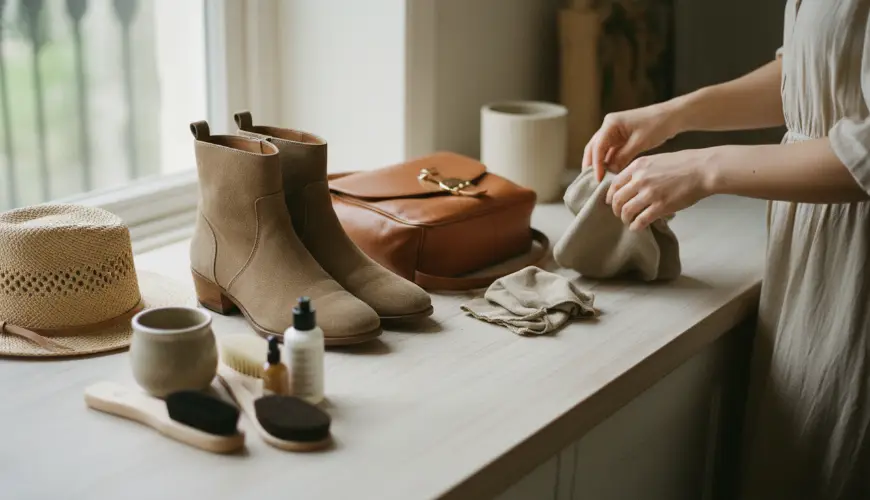
Everyone knows the feeling. Favourite suede shoes after rain, a genuine leather handbag with a greasy stain, or a straw hat that survived the whole summer and now looks a little tired. The label says "do not clean with water", the manufacturer advises against detergents, and you stand helplessly in the bathroom with a cloth in hand. Fortunately, there are a whole range of tried-and-tested methods for dealing with such challenges - without the risk of permanently ruining a beloved item.
Caring for things that cannot simply be thrown in the washing machine is actually quite an art. The fashion industry and premium accessory manufacturers alike continually emphasise that proper maintenance extends the lifespan of products by tens of percent. According to experts from the British organisation Leather Working Group, which focuses on sustainability in the leather industry, neglecting regular care is the most common reason for the premature wear of leather goods. What's more, extending the life of a favourite item is one of the simplest ways to live more sustainably.
Try our natural products
Shoes: from suede to leather
Shoes are probably the most common item people are unsure how to clean. Leather shoes may appear robust at first glance, but aggressive cleaning products or an overly damp cloth can cause irreversible surface damage. The basic rule is that leather needs to breathe and stay hydrated - much like human skin.
For classic smooth leather shoes, a dry or slightly damp microfibre cloth is sufficient to remove dust and dirt. If a stain is more stubborn, a small amount of specialist leather soap applied in circular motions and then thoroughly wiped away will help. The key is to always treat shoes with a conditioner or leather moisturising cream after cleaning - this prevents the surface from drying out and cracking.
Suede and nubuck shoes are a chapter unto themselves. This delicate material does not tolerate water or greasy stains, but it has one advantage: for dry dirt, a specialist suede brush or even an ordinary eraser works well. Moving in the direction of the fibres restores the surface and preserves the material's fine texture. For more stubborn stains, there are foam suede cleaners that are sprayed on, left to dry, and then gently brushed off. Never use direct heat - neither a hairdryer nor direct sunlight - as suede would lose its characteristic texture.
A practical example: Jana, a student from Brno, bought a beautiful pair of suede boots and soaked them on her first walk in November. Instead of placing them near a radiator, she stuffed them with newspaper, let them dry naturally at room temperature, and then used a suede brush. The boots looked almost brand new - without a single extra drop of water.
Sports shoes made from technical materials such as Gore-Tex or various synthetic fabrics may seem more durable, but they too do not tolerate harsh chemicals. The best method is hand cleaning with a soft brush, lukewarm water, and a small amount of mild soap. Insoles should be removed and washed separately, or left to air out. The shoes themselves should never be dried in a tumble dryer - heat deforms glued joints and materials lose their elasticity.
Handbags: care that pays off
A quality handbag is an investment that, with proper care, will last for years, if not decades. Yet many women (and men) make the same mistakes: a damp cloth on leather, an aggressive cleaning spray, or a desperate attempt to clean it in the washing machine. The result is usually a stiff, cracked, or faded handbag that has lost its original appeal.
Leather handbags require similar care to shoes. Regular wiping with a dry cloth prevents dust from settling in the stitching and corners. Once in a while - ideally every two to three months - it is worth treating the surface with a colourless leather cream or conditioner, which softens the material and protects it from moisture. For stubborn stains such as make-up marks or greasy fingerprints, a little micellar water applied to a soft cloth works surprisingly well - but always only on a minimal area and followed by treatment with a conditioner.
Patent leather handbags are even more sensitive. The patent finish scratches easily, so the best cleaning method is a damp cloth without any additional products. If scratches appear on a patent leather handbag, specialist patent leather renovation products can sometimes disguise them, but these need to be used carefully and always tested on a less visible area first.
Fabric or canvas handbags may seem like an easier case, but here too the washing machine is not always the right choice - especially if the handbag has leather details, metal embellishments, or rigid internal structures. The safest approach is hand cleaning: apply a small amount of mild liquid soap or specialist fabric cleaner to the stain, work it in gently with a soft brush, and then wipe with a damp cloth. Leave the handbag to dry in an upright position, ideally stuffed with paper to help it retain its shape.
As fashion stylist and sustainable fashion consultant Orsola de Castro says: "The best thing you can do for your wardrobe is to learn to take care of what you already have." These words ring doubly true for quality accessories, whose production is demanding in terms of both resources and labour.
Hats and caps: a gentle approach for every material
Hats and caps are among the fashion accessories that most people have no idea how to clean. Yet they are treated rather carelessly - set down on various surfaces, crammed into bags, and worn in all weathers. Proper cleaning depends primarily on the material.
Straw and raffia hats, popular in summer, are surprisingly sensitive to moisture. If they get wet, they can become deformed or lose their shape. A dry soft brush or cloth is sufficient for dust and light dirt. If a hat is more noticeably soiled, a gently dampened cloth with a minimal amount of water will help - followed immediately by reshaping and drying on a flat surface or a stand, so the hat retains its original shape.
Felt and wool hats are more durable, but they too dislike direct contact with water. A specialist felt brush or a soft cloth moving in the direction of the fibres works well for removing dust and fluff. If a sweat stain appears on the hat - particularly on the inner section - a swab soaked in a solution of lukewarm water and a little vinegar, or a specialist wool cleaning product, will help. It is important to always work gently and dab rather than rub the stain.
Baseball caps made from technical fabrics are the easiest to clean, but they do not belong in the dishwasher or the washing machine either - despite this myth persisting. Heat and intensive washing deform the brim and damage the internal structure. The best method is hand cleaning with lukewarm water, a little mild soap, and a soft brush, paying particular attention to the inner part of the brim where sweat and dirt accumulate. After washing, leave the cap to dry on a round object - such as a ball or a glass - so it retains its shape.
There are also several universal tricks that work across different materials and items:
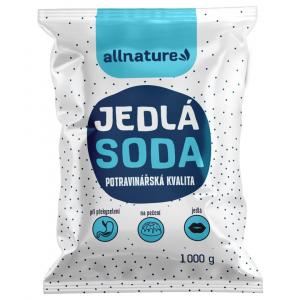
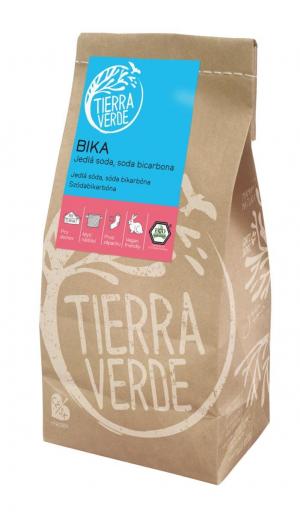
- Baking soda is a great helper for absorbing odours - simply pour it into shoes or a bag with the handbag overnight and shake it out in the morning
- White vinegar diluted with water in a 1:1 ratio removes sweat and deodorant stains from fabric materials
- Coffee grounds in a muslin bag work as a natural absorber of odours and moisture
- Glycerine soap is a gentle alternative to chemical cleaning products and works on both leather and fabric
Caring for items that cannot simply be washed is therefore a combination of knowledge about materials, patience, and the right tools. It is not complicated - you just need to know where to start. And the result? Favourite pieces that look great year after year, along with the knowledge that you are treating your belongings with respect - both for the items themselves and for the planet from which the materials they are made of originate. If you are looking for eco-friendly cleaning products and natural care products for shoes, handbags, and accessories, the range of sustainable alternatives is wider today than ever before - and choosing them is a decision that pays off in the long run.