

# What Bare Feet Experience When Transitioning to Barefoot ## Introduction Transitioning to barefo
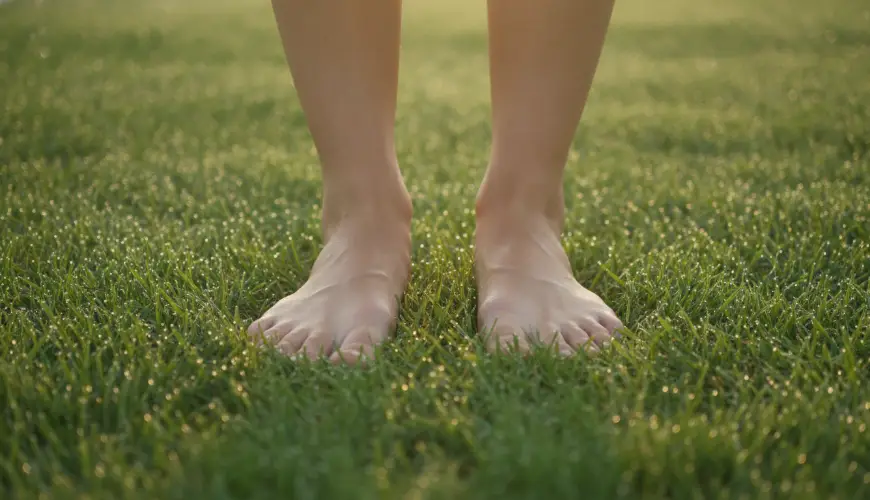
Walking barefoot or in special barefoot footwear has become much more than just a fashion trend in recent years. There are solid anatomical and physiological reasons behind this trend that deserve the attention of anyone thinking about the health of their feet. Nevertheless, transitioning to barefoot is an area where enthusiasm very easily outpaces reason – and where a hasty start can end in painful disappointment. So how do you transition to barefoot walking or minimalist footwear in a way that allows your feet to adapt gradually and safely?
The answer to this question begins with understanding what happens to feet after years of wearing conventional footwear. Modern shoes with thick soles, pronounced heels and rigid uppers have taken over much of the work that would otherwise need to be handled by the muscles, tendons and ligaments themselves. The result is that most adults have feet that are, to some extent, "detrained" – muscles are shortened or weakened, proprioception (the sense of body position in space) is dulled, and the entire movement pattern of walking has been adapted to shoes rather than natural movement. Transitioning to barefoot is therefore not simply a matter of swapping one pair of shoes for another. It is a form of training.
Try our natural products
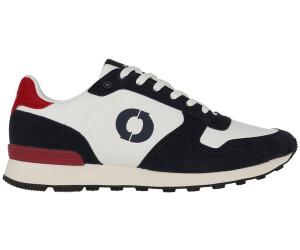
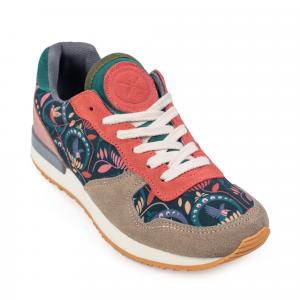
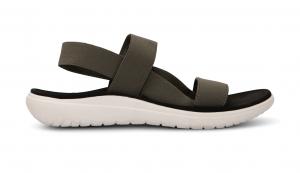
What happens to your feet when you start walking barefoot
The human foot is an architecturally fascinating structure. It contains 26 bones, 33 joints and more than a hundred muscles, tendons and ligaments. During natural barefoot walking, all of these structures work in a coordinated manner – the foot actively adapts to uneven terrain, absorbs impact and pushes off the ground in a way that minimises stress on the joints higher up in the body. Research shows that people who grew up barefoot or in minimalist footwear have demonstrably stronger foot arches and better ankle stability than those who have worn rigid, arch-supporting shoes their entire lives. For example, a study published in the journal Nature confirmed that habitual barefoot walking is associated with distinct biomechanical patterns that reduce stress on the knee joint.
Yet this fascinating mechanics has its flip side for anyone who decides to switch from conventional footwear to barefoot overnight. The muscles of the foot, calf and Achilles tendon are not accustomed to such a degree of engagement. The plantar fascia – the fibrous band running along the underside of the foot – can become overloaded if subjected to too much stress too quickly. And this is precisely the scenario that affects a large number of enthusiasts every year: they read about the benefits of barefoot, buy minimalist shoes, head out for an hour's run and wake up the next morning with heel pain or plantar fasciitis.
The experience of Martina, a thirty-year-old teacher from Brno, is instructive in this regard. After reading about the benefits of barefoot walking, she began wearing barefoot trainers to work every day – eight hours of standing and walking on hard floors. After two weeks, her heel began to hurt so severely that she had to significantly restrict her movement for several days. It was only a physiotherapist who explained to her that feet need time to adapt, and suggested a gradual plan – starting with 20–30 minutes per day and adding only small increments each week.
How to transition safely and without pain
The key word throughout the entire process is gradualness. Sports medicine specialists and physiotherapists agree that adapting the feet to minimalist footwear or barefoot walking takes a minimum of three to six months, depending on the initial condition of the feet, age and level of physical activity. For someone who has worn heavily supportive shoes their entire life, even a year may be a realistic timeframe.
At the outset, it is helpful to pay attention to the actual condition of your feet. Are the foot muscles weakened? Is there a flat arch or, conversely, an excessively high one? Are the calf muscles and Achilles tendon shortened? A physiotherapist or podiatrist can help answer these questions, and it is sensible not to skip a consultation – particularly if you have a history of injuries or chronic musculoskeletal problems.
The transition itself can be divided into several phases that naturally build on one another. The first phase is primarily about awareness and activation. Walking barefoot at home on carpet or grass, consciously gripping the floor with your toes, shifting weight from the heel to the forefoot – these are all simple ways to begin awakening muscles that have long been "dormant". Exercises such as picking up small objects with your toes, drawing letters with the tip of your foot or simply consciously spreading your toes help restore fine motor control of the foot. This type of activation is recommended by the American Academy of Orthopaedic Surgeons, for instance, as part of rehabilitation following foot injuries, but it works equally well as a preventive measure.
The second phase involves carefully incorporating barefoot footwear or barefoot walking into everyday movement. The golden rule is to start with short intervals – 15 to 30 minutes per day – and gradually increase. Surface matters greatly: soft grass or sand is a far gentler starting point than hard concrete or paving stones. For runners, it is advisable to first switch to shorter distances and significantly reduce pace. The transition to barefoot running should never happen simultaneously with an increase in training volume – you need to choose one or the other.
The third phase is about patient development. The muscles of the foot need time to recover, just like any other muscle. If fatigue or mild muscle soreness (rather than sharp pain or joint pain) appears after a barefoot walk or workout, this is a normal adaptive signal. Sharp pain, pain that persists overnight or swelling are, conversely, warning signs that should prompt a rest and possibly a visit to a doctor.
Stretching and mobility work are also an important part of the entire process. Particular attention should be paid to the calf muscles and Achilles tendon, as minimalist footwear without a heel raise places greater demands on these structures than conventional shoes. Regular stretching – such as the classic calf stretch against a wall or foam rolling to release the plantar fascia – can significantly reduce the risk of overuse injury. As physiotherapist and movement biomechanics author Gary Ward puts it: "The feet are the foundation of the entire body. If you learn to work with them properly, the reward will be better movement from the feet all the way up to the spine."
Choosing the right barefoot footwear and what to watch out for
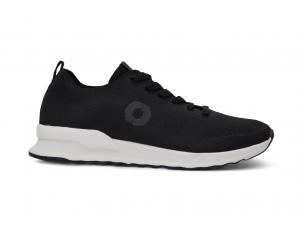
The minimalist footwear market is very diverse today and choosing the right pair of shoes can be confusing. Barefoot footwear is characterised by several key features: zero or minimal height difference between the heel and toe (known as drop), a thin and flexible sole that allows you to feel the ground, and a sufficiently wide toe box that does not squeeze the toes into a narrow space. The width of the shoe in the toe area is an aspect that many manufacturers still underestimate – the foot should have room to spread naturally rather than being shaped by the shoe.
When making your choice, it is worth bearing in mind that there is a spectrum of minimalism: from shoes with thin soles and zero drop that are truly minimalist, to so-called transitional shoes with a slightly reduced drop (3–6 mm) and light flexibility. For beginners, transitional models are a more sensible starting point, while more experienced barefoot enthusiasts can opt for genuinely minimal models. The same logic applies to children – their feet are still developing, and therefore loose, flexible footwear without a rigid sole and without pronounced arch support is naturally more beneficial for their development.
Beyond the shoes themselves, the environment in which barefoot walking or running takes place is also worth considering. Natural surfaces such as grass, forest floor or sandy beach are ideal for both beginners and experienced barefoot walkers, as they are varied and naturally stimulate the foot. Hard asphalt or paving stones, on the other hand, place higher demands on cushioning, which must be provided entirely by the muscles and connective tissue structures of the foot – it is therefore sensible to transition to these surfaces only after a longer period of adaptation.
The entire process of transitioning to barefoot walking or minimalist footwear is essentially a journey towards greater bodily awareness. Many people who have gone through this process describe how barefoot not only changed the way they walk, but also their overall perception of movement – they began to pay more attention to how they walk, how they stand, how they carry the weight of their body. This is perhaps the greatest value of the entire trend: not just stronger feet, but a more conscious relationship with one's own body. And that is worth the patience that transitioning to barefoot requires.