

# Lymphatic stagnation in the face causes swelling

Waking up in the morning and seeing a puffy face with swollen eyelids and bloated cheeks in the mirror is an experience many people know well. Most attribute it to poor sleep or an overly salty dinner. But the truth tends to be more complex and more interesting. Morning facial puffiness is very often caused by something that rarely gets discussed in public: lymphatic stagnation. This is a condition in which the lymphatic system stops draining fluids and waste products as quickly as it should — and the face is the first to show it.
The lymphatic system is one of the most underappreciated systems in the human body. Unlike the circulatory system, which is driven by the heart acting as a pump, lymph has no motor of its own. It moves through muscle contractions, breathing, and whole-body movement. That is precisely why it is so vulnerable. A few hours in one position, too much salt, the wrong pillow, or chronic stress is all it takes for lymph to slow down. The result? What you see in the mirror each morning.
Try our natural products
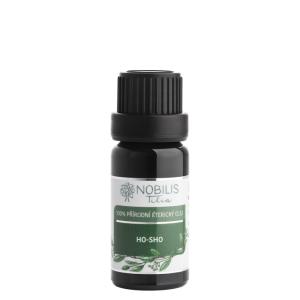

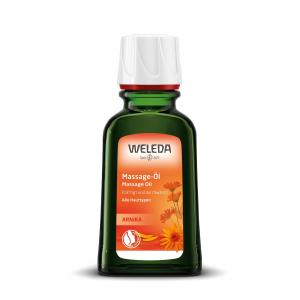
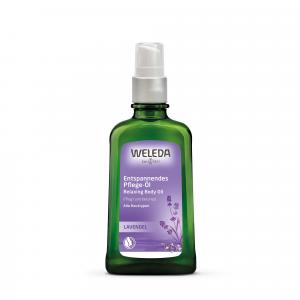

Why swelling forms overnight
During the day, we are mostly standing or sitting upright, moving, talking, laughing. All of these activities naturally stimulate lymphatic circulation. Gravity helps fluids drain downward, and the lymph nodes in the neck and submandibular area work smoothly. The moment we lie down, however, the situation changes. The head is suddenly at the same level as the rest of the body, gravity no longer drains fluid away from the face, and the lymphatic system, which naturally slows at night along with the overall metabolism, cannot process everything in time.
A whole range of factors that people tend to underestimate also come into play. Sleeping on the stomach or on the side is among the biggest culprits. A position in which the face rests directly on the pillow mechanically obstructs lymphatic drainage and creates pressure on soft tissues. It is no coincidence that morning puffiness tends to be more pronounced on the side a person slept on. Research shows that sleeping on the back significantly reduces morning swelling because it allows fluids to drain naturally away from the face.
Another factor is salt and alcohol consumption in the evening. Sodium retains water in the tissues, and alcohol disrupts hormonal balance — specifically the level of antidiuretic hormone, which regulates the amount of water in the body. The result is that the body literally "floods" the tissues with fluid that it then has nowhere to drain in the morning. It is therefore no surprise that after a weekend dinner with wine and salty cheese, Monday morning in the mirror looks different from a moderate Wednesday.
Interestingly, allergic reactions and food intolerances also play a significant role. Coeliac disease, lactose intolerance, or histamine intolerance very often manifest as facial swelling that people mistakenly attribute to fatigue or age. The body responds to a trigger with inflammation, which causes localised fluid retention. If morning puffiness persists without an obvious cause, consulting a doctor and possibly undergoing allergy testing may be worthwhile.
Lymphatic stagnation: more than just a cosmetic problem
It would be a mistake to view lymphatic stagnation in the face as merely an aesthetic issue. The lymphatic system is a key component of immunity — it carries waste products of cellular metabolism, toxins, and pathogens from the tissues to the lymph nodes, where they are neutralised. When this system stagnates, the tissues are literally "clogged" with substances that should not be there. Chronic lymphatic stagnation can contribute to more frequent infections, poorer skin quality, feelings of heaviness and fatigue, or chronic headaches.
A dermatologist and specialist in lymphatic drainage using the Vodder method — considered the gold standard in lymphatic therapy — described her patients' situation this way: "Most people come in because of swelling or the appearance of their skin, but they are actually dealing with a systemic problem. The face is just a window into the state of the entire lymphatic system."
Lymphatic stagnation in the face is also closely linked to chronic stress. Cortisol, the stress hormone, promotes inflammatory processes in the body and disrupts fluid balance. People going through prolonged work pressure or a personal crisis very often notice that their face looks "puffy" or tired even after adequate sleep. This connection between psychological state and physical manifestation on the face is well documented scientifically — for example, studies published in the journal Psychoneuroendocrinology repeatedly confirm the influence of cortisol on inflammation and fluid retention in the body.
Hormones in general play a major role in this story. Women before menstruation or during menopause experience more pronounced facial swelling due to fluctuating levels of oestrogen and progesterone, which directly affect vascular permeability and the ability of tissues to retain water. Pregnancy represents an extreme example: increased blood volume and hormonal changes mean that facial swelling becomes a daily reality for a large proportion of pregnant women.
There is also a group of people who suffer from a structural problem — primary or secondary lymphoedema. Primary lymphoedema is a congenital disorder of the lymphatic system; secondary lymphoedema most commonly develops after oncological treatment in which lymph nodes are removed. In these cases, lymphatic stagnation is chronic and requires specialist care, not merely a lifestyle change. Distinguishing between ordinary morning puffiness and lymphoedema is important — if swelling persists throughout the day, is asymmetrical, or is accompanied by other symptoms, it is always advisable to see a doctor.
What actually helps and what is just a myth
The world of skincare and healthy living is full of advice about morning puffiness. Some of it has a solid basis; some is more wishful thinking than reality. So how do you tell one from the other?
One of the most frequently discussed tools is facial massage using gua sha or a jade roller. These techniques originate from traditional Chinese medicine, and their effect on the lymphatic system is a subject of scientific interest. Research suggests that manual lymphatic drainage — whether performed by a therapist or using the correct self-massage technique — genuinely supports lymphatic flow and reduces swelling. The key phrase is "correct technique": movements must be gentle, guided in the direction of the lymphatic vessels, always towards the lymph nodes in the neck and armpit area. Strong pressure or the wrong direction of massage can actually disrupt lymphatic flow.
Hydration is another topic where intuition can be misleading. Many people think that drinking less water will help reduce puffiness. The opposite is true. When fluid intake is insufficient, the body switches into "reserve mode" and begins retaining water in the tissues as a safeguard. Adequate hydration — ideally with plain water or herbal teas — actually supports lymphatic flow and helps the body efficiently remove waste products. The World Health Organization recommends approximately 1.5 to 2 litres of fluids per day for an adult in normal conditions, with the requirement increasing with physical activity or heat.
Movement is arguably the most effective natural stimulant of the lymphatic system. It does not have to be intense exercise — brisk walking, yoga, or even jumping on a trampoline (known as rebounding) are considered among the most effective ways to get lymph moving. Jumping produces rhythmic muscle contractions throughout the body that act as a pump for the lymphatic vessels. The British National Health Service lists regular physical activity as one of the fundamental pillars of a healthy lymphatic system.
Cold water in a morning shower is another thing often discussed in connection with facial puffiness. Cold causes vasoconstriction — the narrowing of blood vessels — and can temporarily reduce visible swelling. However, this is more of an immediate cosmetic effect than a solution to the underlying cause. Cold compresses or ice cubes applied to the face work in a similar way. These techniques are popular among actors and television presenters before going on camera precisely because they deliver a quick visual result. In the long term, though, they are not enough if lifestyle habits remain unchanged.
Diet plays a crucial role that is often underestimated. An anti-inflammatory diet rich in omega-3 fatty acids, antioxidants, and fibre naturally reduces systemic inflammation, which is one of the causes of lymphatic stagnation. Conversely, processed foods, sugar, and excessive alcohol promote inflammation and place a burden on the lymphatic system. Vegetables with a high water content — cucumbers, celery, leafy greens — help the body hydrate from within while also supplying substances that support lymphatic flow. Turmeric, ginger, and green tea are natural anti-inflammatory aids whose effects are supported by scientific studies, such as research published in the PubMed database.
Veronika, a thirty-four-year-old teacher from Brno, described her experience succinctly: for years she struggled with morning puffiness and dark circles under her eyes, which she put down to genetics. It was only when she started monitoring her diet, reduced her salt and alcohol intake, began sleeping on her back, and devoted ten minutes each morning to gentle facial massage that things changed. It was no miracle cure — it was a combination of small decisions that gradually brought her lymphatic system back into balance.
That is perhaps the most important message of this entire topic. Morning facial puffiness is not an inevitable price to pay for age or genetics. It is a signal the body is sending, and if a person listens to it — paying attention to sleeping position, diet, movement, and stress management — it very often turns out that the mirror in the morning can look completely different. The lymphatic system is a quiet workhorse that deserves far more attention than we usually give it.