

Detox is a modern trend that promises cleansing, but the body already manages it on its own every da

Detox is a word that has settled into magazines, social media, and everyday conversations in recent years. Some people "go on a detox" after Christmas, others after a demanding period at work, and some simply because it sounds like a quick path to a lighter body and a clearer mind. But what is detox really, why is detox trendy now, and most importantly: why is it not necessary to do a radical detox to feel better?
Most discussions about detox focus on extremes — several days of fasting, only vegetable juices, "miracle" teas, or supplements promising to flush out toxins. Yet, the human body has its own very sophisticated system for getting rid of unwanted substances every day. Often, it is more beneficial to relieve the body from long-term habits rather than burdening it with short-term radical actions.
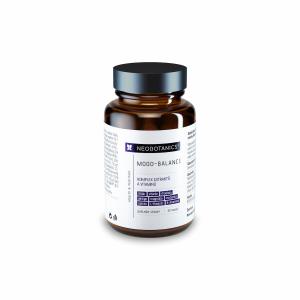
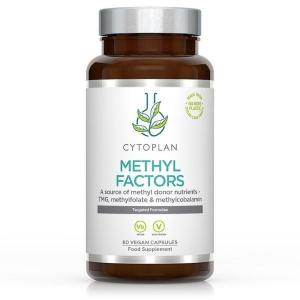
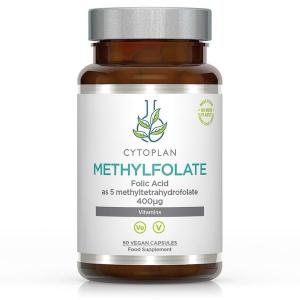
Try our natural products



What is detox and what do people usually imagine it to be
When someone says "detox", most people think of quick body cleansing: drink something, skip something, endure a few days, and then wake up "like new". In popular terms, detox is often associated with the idea that vague "toxins" accumulate in the body and need to be flushed out. But this is where the first problem arises: the word toxin is used very loosely.
In medicine, "detoxification" has a relatively clear meaning — it refers to a treatment process during poisoning with a specific substance or in cases of addiction, where the body undergoes controlled withdrawal. In the general wellness world, however, detox has spread as a marketing umbrella for everything from a lighter diet to sauna sessions to "detox" foot pads.
This does not mean that the effort to feel lighter is wrong. It's just useful to distinguish between what is truly evidence-based and what is more of a story that sells well. When talking about "all about body detox", it pays to start with the fact that the body is already doing detox — all the time.
The main roles are played by the liver, kidneys, lungs, skin, and digestive tract. The liver processes a range of substances that enter the body through food, drink, or the environment, and converts them into forms that can be excreted. The kidneys filter the blood and remove waste products through urine. The lungs exhale carbon dioxide and other volatile compounds. The skin participates in temperature regulation and excretion of some substances through sweat, although its "detox" role is often overestimated in popular texts. And the intestines? They determine what gets absorbed and what goes out — and are closely linked to the microbiome, which affects immunity and overall well-being.
For those seeking a serious context, it might be useful to start with comprehensive materials on liver function and metabolic processes on sites like Mayo Clinic or a general explanation of the liver's role on Britannica — these are not the only sources, but they help anchor the debate in actual physiology.
Why a radical detox isn't necessary (and why it often doesn't help as promised)
A radical detox usually relies on two promises: that it will quickly improve health and flush out toxins. The problem is, with most "detox" programs, it's unclear which specific toxins are to be removed, how their levels are measured, and how the effect is verified. Furthermore, the body is not a clogged filter that needs to be "flushed" occasionally. It is a living system that functions continuously — if given the right conditions.
So why isn't a radical detox necessary? In practice, several things often hold true at once:
Firstly, radical regimens tend to be short-term. A person endures three days on juices and then returns to regular life. If the problem was in long-term lack of sleep, stress, alcohol, ultra-processed foods, or barely moving during the week, three days of abstinence won't solve this. It may bring a temporary sense of "reset", but the cause remains.
Secondly, extreme food restrictions can lead to feeling lighter mainly because one eats less and has emptier intestines. Weight loss in the first days is often largely water and glycogen, not "toxins". And once regular intake resumes, the body adjusts its water balance again.
Thirdly, some detox plans can be unnecessarily risky. Very low energy intake, minimal protein, prolonged fasting, or excessive use of laxatives can disrupt digestion, hormones, mood, and sleep. Sensitive individuals may experience headaches, irritability, dizziness, or conversely, binge eating after the regimen.
Fourthly, a radical detox can distract from the most important thing: from everyday "quiet" care that truly helps the body. The body doesn't care whether there is a "detox" label on the bottle, but it does notice if it gets fiber, fluids, regular movement, sleep, and a calmer nervous system.
One sentence captures it quite well: "The body doesn't need a miracle plan, it needs long-term sustainable conditions."
Benefits and risks of detox: when it makes sense to "lighten up" and when to be cautious
To avoid being black and white: detox in the common sense can have its benefits — just usually not the ones most advertised.
Where the benefits may be
If detox means that for a few weeks (not three days) a person reduces alcohol, sugary drinks, highly processed foods, adds vegetables, legumes, and a regular routine, then very real changes often occur: better digestion, more stable energy, calmer skin, fewer sweet cravings, better sleep. Not because "toxins were flushed out" by a magic tea, but because the load decreased and nutrition increased.
There's also a big difference when "detox" is approached as a digital detox or detox from certain habits. Less evening scrolling, more sleep, and more outdoor movement can surprisingly improve mental health. In this sense, detox is really just a modern word for taking a break and returning to balance.
It also helps when a person focuses on supporting natural processes: adequate hydration, fiber, regular bowel movements, nutrient-rich food, and less alcohol. These are things that make sense even according to common health recommendations, such as those summarized by the World Health Organization (WHO) in topics of healthy eating and prevention.
Where the risks are
Risks begin where detox promises quick results without context and regardless of individual health status. Attention is especially deserved by:
- detox based on laxatives, extreme teas, or "dehydration", as it can lead to dehydration and mineral imbalance,
- long fasts without professional guidance, especially for people with diabetes, eating disorders, during pregnancy, or for adolescents,
- "detox" supplements with unclear compositions or promises like "clean the liver" — the liver is not a sponge that needs to be wrung out.
The psychological effect is also sometimes overlooked: detox as "punishment" after a period of irregular or overeating. This cycle can support an unhealthy relationship with food. Instead, it's more useful to think about what is sustainable in the long term — and what can be done right now without extremism.
A real-life example that is suspiciously common
A typical scenario: after a challenging December full of parties and sweets, someone decides to do a "juice detox" in January. The first two days feel quite good — because alcohol and ultra-sweet things are gone, and there's also a new beginning. On the third day, headaches and irritability come because the body is tired, lacking the usual portion of protein and energy, and stress from work adds up. After finishing the detox, hunger returns, and half the pantry is gone by evening.
But if the same person instead agrees with themselves on a "quiet detox": two weeks without alcohol, a decent breakfast with protein every day, vegetables before lunch, legumes twice a week, tea in the evening, and sleeping half an hour earlier — the results are less dramatic on Instagram but much more stable in real life. And that's precisely where the answer to why detox often "works" lies: it's the change in habits, not the extreme.
Why detox is trendy now: quick fixes, fatigue, and the desire to have control
Why is detox trendy right now when more is known about health than ever before? Partly because we live in a time that is overwhelming in itself. Information, notifications, stress, lack of sleep, fast food, long sitting. In such an environment, it is tempting to have the feeling that there is a simple reset.
Detox also has a great story: "The body is clogged, cleanse it, and you'll be like new." It's understandable, dramatic, and can be nicely packaged into a product — regimens, teas, pills, programs. In marketing, the word "toxins" works because it is vague and a bit scary. Who wouldn't want to get rid of something that sounds harmful?
Detox also responds to the need for control. When the world is chaotic, it's easy to take control of at least what can be influenced: food, drink, routine. The problem arises when control turns into extremism and when "care" becomes a performance pressure. The body, instead of support, receives more stress.
Interestingly, detox often replaces ordinary things that are hard to sell because they aren't sexy: sleep, regularity, walking, cooking from common ingredients, less alcohol, more fiber. Yet these are the pillars that support the body's natural "detoxification" work.
And what if someone really doesn't feel well and feels they "need a detox"? Then it might be best to turn the question: isn't it more of a signal that the body needs rest, simpler food, and a calmer pace?
When discussing why detox isn't necessary, it doesn't mean that making changes isn't useful. It means it's not necessary to go for radical solutions that are often short-term, stressful, and sometimes risky. Much more effective is "detox" as a set of small steps that can be done long-term: regular eating, drinking, moving, sleeping, and not overburdening the organism unnecessarily.
In this, there is actually good news: there is no need to buy complicated regimens to "put the body in order". The body is already doing this work — and when given reasonable conditions, it can do surprisingly much. It just needs to stop being hindered and instead of radical detox, focus on sustainable care that can be repeated every day, without drama and without feeling the need to start over from scratch continually.