
Maintenance of a wooden floor will extend its lifespan
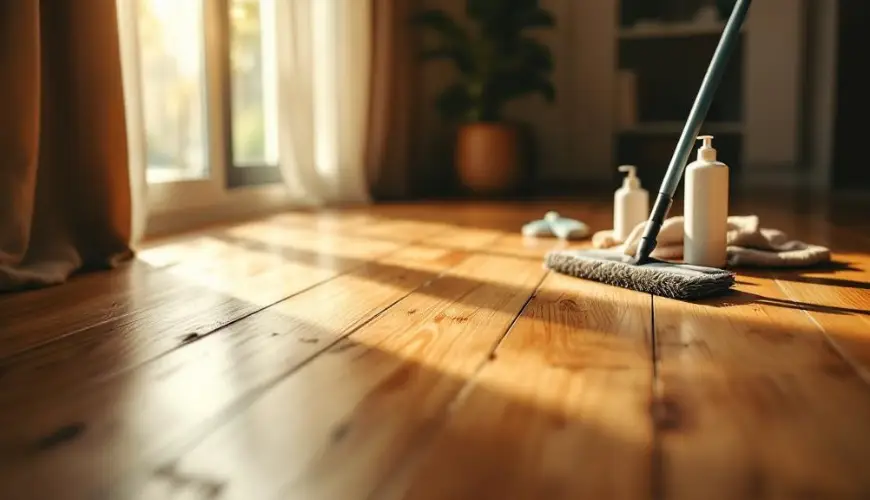
A wooden floor is one of those things that can transform an entire interior. The warm, natural material brings a sense of cosiness to a room that no laminate or vinyl can fully replicate. But precisely because it is a natural material, it also requires appropriate care. Wooden floor maintenance is not rocket science, but it takes time, the right products and a little patience. Those who neglect this care will sooner or later find that their beautiful floor looks tired, dull and covered in minor scratches.
Imagine a family who moved into a new flat with a solid oak floor five years ago. At first, they cleaned it however they felt like it – with a wet mop, occasionally with some universal cleaner. After two years, the floor began to lose its shine, white water stains appeared, and greyish streaks showed up in the areas with the most foot traffic. Only then did they discover that wood requires a completely different approach than tiles or vinyl. This situation is not exceptional – on the contrary, it happens very often.
Try our natural products
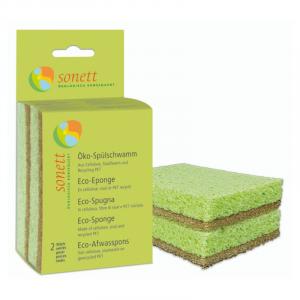
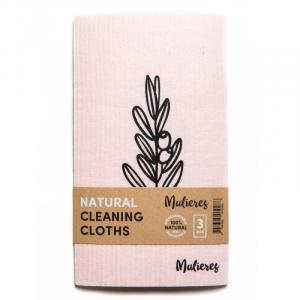
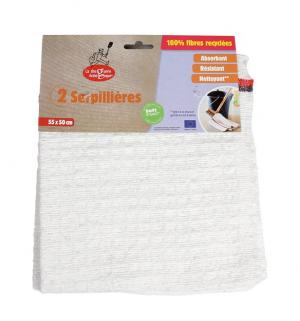
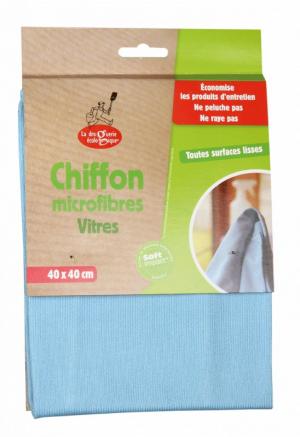
The basics of properly washing a wooden floor
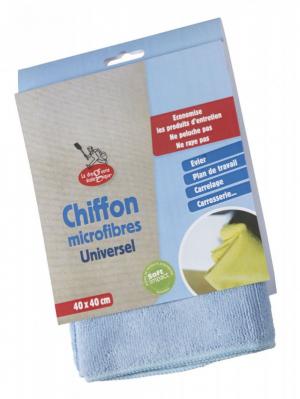
The most common mistake when caring for wooden floors is using too much water. Wood is a hygroscopic material, meaning it absorbs moisture from the air as well as liquids. If the floor is regularly mopped with an overly wet mop, or if buckets of water are poured onto it, the wood will begin to swell, warp and eventually crack. The golden rule states: the less water, the better. Ideally, use a well-wrung microfibre mop that wipes the surface rather than soaking it.
Before wet cleaning, it is essential to first thoroughly vacuum or sweep the floor. Dust particles and small pieces of dirt act like sandpaper – if you walk on them or press them into the floor with a wet mop, they cause microscopic scratches that gradually accumulate and the floor loses its natural shine. Regular dry cleaning, ideally every day or every other day, is therefore the foundation of all floor care.
When choosing a cleaning product, it matters what kind of surface finish the floor has. Lacquered floors are cared for differently than floors treated with oil or wax. Lacquered floors handle slightly damp cleaning better, because the lacquer forms a protective layer. With oiled or waxed floors, you need to be even more careful and use specialist products designed specifically for this type of surface. Universal cleaning products intended for all types of floors tend to be either too aggressive or ineffective. Experts from the National Wood Flooring Association have long warned that choosing the right product extends the life of a floor by tens of percent.
Products containing vinegar or lemon juice, which are popular in home eco-friendly cleaning, are not particularly recommended for wooden floors. Although they are environmentally friendly, their acidity can gradually damage the surface finish and lacquer. If you are looking for an eco-friendly alternative, opt instead for certified natural cleaning products that are specially formulated for wood.
Polishing as a way to restore life to your floor
Regular polishing of a wooden floor serves two functions: aesthetic and protective. The aesthetic one is obvious – the floor regains the depth and shine that fades over time. The protective function is equally important. Polishing products create a thin protective layer on the surface that protects the wood from moisture, minor dirt and everyday wear.
The frequency of polishing depends on the intensity of use. In a household with children and pets, it is recommended to polish the floor approximately every three months. In less frequently used spaces, twice a year is sufficient. Before polishing, the floor must be perfectly clean and dry – any moisture or dirt under the layer of polish will cause stains or an uneven surface.
There are various types of polishing products on the market. Waxes are a traditional solution that give wood a natural, silky shine. Their disadvantage is that they need to be renewed regularly and application is more laborious. Modern polymer polishes are easier to apply and last longer, but their effect tends to look more plastic. For fans of natural materials, there are also natural beeswaxes or linseed oils, which are gentle both on the floor and on the environment. These products are particularly popular among people who favour an ecological approach to their home.
How should polishing be carried out? The product is applied in thin layers, preferably in the direction of the wood grain. Never apply too thick a layer at once – it is better to apply several thin layers with sufficient drying time between them. Once dry, the floor can be buffed with a soft cloth or a specialist floor polishing machine. The results are always best when enough time is devoted to the task and the product is not applied sparingly.
Repairing scratches and minor damage
Scratches on a wooden floor are inevitable. Moving furniture, dropping a heavy object, dog claws or children's toys – all of these leave marks on the surface. The good news is that most scratches can be repaired without the need to replace entire boards or have the floor professionally sanded.
Minor surface scratches that do not penetrate deeper than the surface finish can be treated with specialist repair products. So-called repair markers or wood creams are available on the market, which are rubbed into the scratch and visually conceal it. An alternative is to use a walnut – simply crack the walnut open and rub the kernel over the scratch several times. The natural oils from the walnut penetrate the wood and the scratch visually diminishes significantly. This method is particularly popular among fans of natural solutions and works surprisingly well on light-coloured woods.
Deeper scratches that penetrate into the wood itself require a little more work. Specialist wood fillers are used, available in various colour shades. The filler is applied to the damaged area, left to dry and then gently sanded with fine-grit sandpaper. Finally, the area is treated with oil or lacquer so that it blends in with the surrounding surface. It is important to choose the filler in the right colour – a filler that is too dark or too light will be conspicuous on the floor. Manufacturers such as Osmo or Bona offer home repair kits that contain everything needed, including a colour guide.
If the damage is more extensive – for example, an entire board is warped, cracked or severely damaged – the best solution is to replace that particular board. With floating floors this is relatively straightforward; with glued floors it is more demanding and it may be necessary to call in a professional. In any case, the sooner the damage is addressed, the smaller and less costly the repair.
As an old carpenter's saying goes: "Wood will forgive you many things, but it will never forgive neglect." And this is doubly true of wooden floors. Regular care prevents most problems, and if a scratch or damage does appear, it is better to deal with it immediately rather than waiting for the situation to worsen.
Prevention is the simplest and least expensive way to protect the floor. Felt pads under furniture legs are an absolute must – without them, every movement of a chair or table leaves marks on the wood. Doormats at the entrance door catch most of the dirt and small stones that would otherwise act as an abrasive. In households with pets, regular claw trimming helps. And in areas with the heaviest traffic – hallways, the space in front of the sofa, the kitchen – it is worth laying down a rug or runner to protect the floor from the most intensive wear.
An interesting and increasingly popular trend is the use of eco-friendly products based on natural ingredients. Certified products free from phosphates, chlorine or synthetic fragrances are gentle not only on the floor, but also on the environment and the health of the household's residents. For families with young children or allergy sufferers, this aspect can be decisive. Eco-friendly wood care products are now available in a wide range, and their effectiveness has improved significantly over the past few years.
The overall approach to caring for a wooden floor can be summed up in a simple equation: regularity + the right products + prompt problem-solving = a floor that looks beautiful for decades. A wooden floor is not just an aesthetic feature – it is an investment that, with proper care, will outlast several generations and, with each sanding and new coat of oil or lacquer, will gain a new lease of life. It is no coincidence that in historic houses and castles we find floors hundreds of years old that still look magnificent. The secret is no magic – just regular, careful and informed maintenance.