
Sabbatical for ordinary people works even without traveling
The word "sabbatical" sounds like something from another world. You might associate it with professors at prestigious universities who travel abroad once every seven years to research the Silk Road or write a monograph on medieval art. Or with managers at large corporations who, after years of burnout, allow themselves a three-month holiday in Bali. But what about everyone else? What about people with average salaries, mortgages, children, and a maximum of three weeks of annual leave? Does a sabbatical even make sense for them – and is it even possible?
The answer is surprisingly simple: yes. It just looks a little different from what most people imagine.
Try our natural products




What a sabbatical actually means and why you don't need a passport for one
The origin of the word sabbatical traces back to the biblical concept of "Sabbath" – a day of rest that comes regularly, inevitably, and without excuses. In academia, the practice became established whereby scientists and educators receive paid or partially paid breaks from their regular duties at certain intervals, allowing them to focus on research, writing, or simply recovery. Today, this concept is spreading far beyond academia, and a growing number of companies – particularly abroad, but slowly in our country too – are beginning to offer sabbaticals as a benefit for long-serving employees.
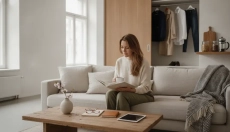
However, a sabbatical doesn't necessarily have to be formal, employer-approved, and accompanied by a plane ticket. The essence of a sabbatical lies not in geography, but in the intentional interruption of routine. It is time that a person consciously sets aside for themselves – for reflection, rest, creativity, or simply for existing outside the endless carousel of obligations. And this is something you can manage in Brno, Olomouc, or a small village in the Highlands.
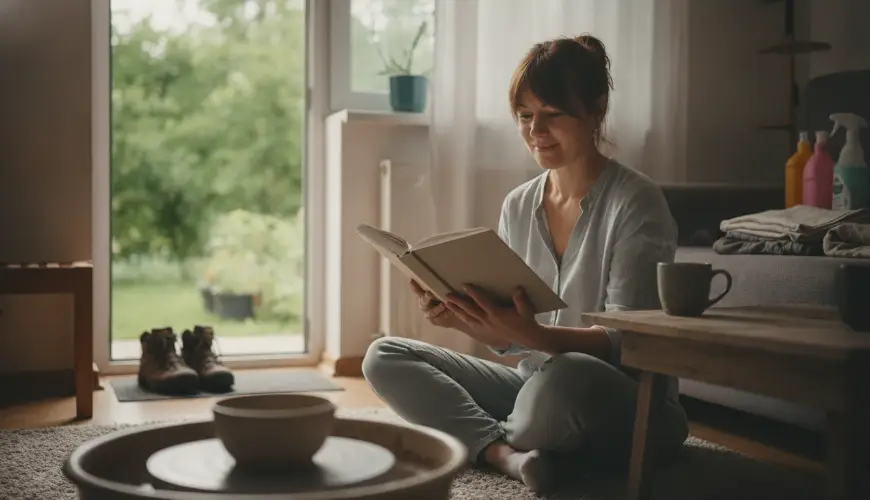
Take Martina, a forty-year-old accountant from Pardubice, as an example. After twelve years at the same company, she took two months of unpaid leave. She didn't travel anywhere far – she stayed at home, stopped checking work emails, started reading in the mornings instead of scrolling through social media, and set aside two hours each day for ceramics, which she had enjoyed as a teenager. "I didn't expect it to change my perspective on work so radically," she says. "It wasn't about where I went. It was about what I stopped doing." After returning to work, she handed in her notice and began working part-time – not because she had a financial cushion for eternity, but because she finally knew what she wanted.
Martina's story is not exceptional. It is just one of many that show that an intentional pause doesn't have to cost a fortune or require exotic destinations.
How to plan a sabbatical when you don't have an unlimited budget
The biggest myth surrounding sabbaticals is financial. People think only those who have saved enough or who work abroad on higher salaries can afford one. The truth is more complicated – and at the same time more encouraging.
A sabbatical in a domestic setting is significantly more affordable from a financial perspective than the "Instagram" version with hammocks and coconut drinks. It eliminates the costs of flights, accommodation in a foreign country, travel insurance, and the constant expenses associated with a tourist lifestyle. If someone takes unpaid leave or negotiates reduced hours with their employer, a sabbatical can be achieved with a relatively modest financial cushion.
The key is planning. Financial advisors generally recommend having at least three to six months of living expenses saved before such a pause – this is the standard that applies to other life changes as well. If you're not there yet, a sabbatical doesn't have to last an entire month. It can begin as a sabbatical weekend once a month, then as a sabbatical week once a quarter. It's about gradually building the habit of intentional rest, not about taking a great leap into the unknown.
There are also practical ways to enrich a pause without unnecessary spending. The domestic environment offers enormous potential that most of us ignore. Local libraries, community gardens, yoga or meditation classes in the city, hiking in the surrounding countryside, cooking new recipes from local ingredients – these are all activities that not only save money but also contribute to a sustainable way of life. And this is precisely where a sabbatical for ordinary people connects with values that are becoming increasingly important: mindful consumption, a slower pace, a deeper relationship with one's own surroundings.
It is no coincidence that the slow living movement has been attracting enormous interest in recent years. Research by the World Health Organization repeatedly shows that work-related exhaustion and chronic stress are among the greatest threats to mental health in modern society. A sabbatical – even a small, domestic one, without fanfare – is one way of confronting this trend head-on.
The structure of a pause: why freedom alone isn't enough
Paradoxically, one of the biggest problems for people who allow themselves a sabbatical is not a lack of time, but an excess of freedom without structure. A brain accustomed to constantly completing tasks and responding to stimuli doesn't know what to do with sudden emptiness. The first days or weeks can be surprisingly difficult – feelings of guilt arise, along with restlessness and the urge to "be productive."
This is precisely why it's important to structure a sabbatical – even a domestic one – intentionally. Not in the sense of an overfilled diary, but in the sense of rhythm. Having a regular wake-up time, setting aside parts of the day for different types of activities, distinguishing time for rest from time for creativity or learning. Rituals are anchors that hold free time together and give it meaning.
This might mean a morning walk without a phone. Reading a physical book instead of jumping between browser tabs. Cooking from fresh ingredients as a conscious act of self-care. Keeping a journal that helps process thoughts which, under normal circumstances, never even have a chance to surface. Or tending to the home with mindful attention – choosing eco-friendly cleaning products, sorting through things you no longer need, slowly transforming your home into a place where you truly feel good.
The writer and philosopher Alain de Botton expressed it precisely: "The inability to stay at home and be alone with oneself is one of the greatest sources of human suffering." A sabbatical – whether it lasts a week or a year – is an opportunity to rediscover this ability, or to genuinely develop it for the first time.
One practical tool for structuring a domestic sabbatical is to divide the day into three parts: time for the body (movement, cooking, sleep), time for the mind (reading, writing, learning a new skill), and time for relationships (meeting friends without rushing, deeper conversations, caring for loved ones). This triangle doesn't need to be perfectly balanced every day, but as an orienting framework it works surprisingly well.
Part of self-care during a sabbatical can also involve a more conscious approach to what we consume – and that in the most literal sense. Choosing food, cosmetics, or clothing with regard to their origin and impact on the planet becomes a natural part of a slower pace. When you're not in a hurry, you have time to read the ingredients on a label, choose a local producer, or reach for a product that is kind not only to you but also to the environment. This very shift in the perception of everyday choices is often one of the most lasting outcomes of a sabbatical – not just a feeling of rest, but a new relationship with one's own life and the things that shape it.
A sabbatical for ordinary people is not about escape. It is about stopping in place and finally taking a proper look around. How many things do we do automatically, without thinking? How many decisions do we make out of habit rather than free will? How much energy do we devote to things that don't actually fulfil us? A pause – even a short one, even a domestic one – makes room for these questions. And sometimes just a week of a different rhythm is enough for a person to find the answers they've been searching for for years.
If the idea of a domestic sabbatical appeals to you but you don't know where to begin, try spending just one weekend intentionally differently. No planning of trips, no catching up on backlogs, no social media. Just you, your home, a book that's been waiting for you for months, and perhaps a walk in the surrounding countryside. It doesn't need to be a perfect experience. It's about taking the first step towards making the pause a part of your life – not an exception, but a rule.