

Neglected air conditioning silently threatens your health
Summer is coming, and with it the desire for refreshment. The air conditioning switches on, cool air flows through the room, and we breathe a sigh of relief. But what if the very device meant to protect us from the heat is hiding something inside that could seriously harm us? The question of cleaning air conditioning may seem boring and technical, but it is actually a matter that directly affects the health of every member of the household.
Air conditioning units are designed to circulate air, cool it, and remove moisture. Yet this very combination – air, moisture, and temperature – creates ideal conditions for the proliferation of bacteria, mould, and dust mites. The filters that are supposed to clean the air gradually become clogged with dust, allergens, and microorganisms. If no one takes care of them, they stop fulfilling their function and become a source of pollution rather than a solution to it.
Try our natural products
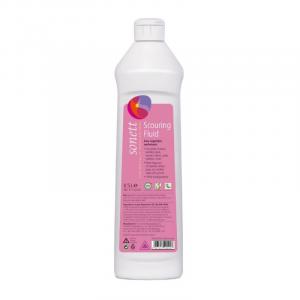
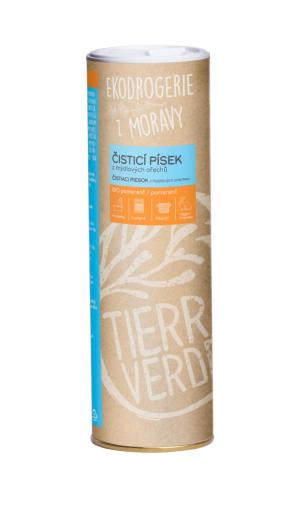
What happens inside a neglected air conditioner
Imagine a situation that is far from unusual: a family gets an air conditioner, uses it enthusiastically in the first year, but simply forgets about regular maintenance. The device works, the air is cool, everything seems fine. After two or three seasons, however, members of the household begin to complain of frequent colds, coughs, or headaches that don't go away even with the arrival of cooler weather. The doctor finds no clear cause. And yet the answer is sitting right there on the living room wall.
Inside a neglected air conditioner, biological waste accumulates in the form of dead cells, dust, and organic particles. These deposits serve as a breeding ground for moulds such as Aspergillus or Cladosporium, which according to World Health Organization research are associated with respiratory diseases, allergic reactions, and in more serious cases even damage to the immune system. Mould spores are released into the air and we literally inhale them – hour after hour, day after day.
But mould is not the only danger. The moist environment of an air conditioning unit is also a favoured habitat for the bacterium Legionella pneumophila, the causative agent of the so-called Legionnaires' disease. This pneumonia, which was named after an outbreak at an American Legion convention in 1976, can be fatal, particularly for elderly people and those with weakened immune systems. Although legionellosis is primarily associated with large air conditioning systems in hotels or hospitals, experts warn that neglecting the maintenance of domestic units poses a real risk.
Another inconspicuous enemy is dust mites. These microscopic creatures love dust and moisture – precisely what accumulates in a neglected air conditioning filter. Their faeces are among the most potent allergens in the domestic environment and can trigger asthma attacks even in people who have never previously suffered from any allergies. According to data from the Czech National Disease Registry, the number of diagnosed allergies and cases of asthma has been steadily increasing in recent decades, with indoor air quality playing a significant role in this trend.
As American air quality expert Joseph Allen from the Harvard T.H. Chan School of Public Health aptly noted: "The air inside buildings can be up to five times more polluted than outdoor air – and yet we spend approximately 90 percent of our lives indoors." This figure should prompt us to reflect on what we are actually breathing.
How to properly care for your air conditioner and protect your health
The good news is that most of the risks associated with a dirty air conditioner are entirely preventable. Regular and properly performed maintenance can eliminate hazards before they even manifest. There is nothing technically complicated about it – some of the care can be handled by anyone themselves, while some is best entrusted to a professional.
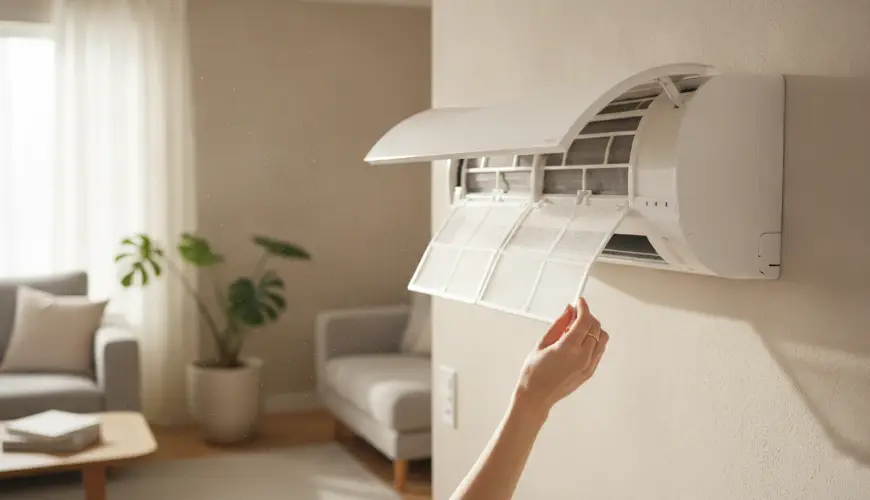
The fundamental step is cleaning or replacing the filters. In most domestic split air conditioners, the filters are accessible by opening the cover of the indoor unit; they can be removed, rinsed with lukewarm water, left to dry, and replaced. This should be done approximately every four to six weeks during active use of the device. Does that sound like unnecessary work? Try to imagine spending the entire summer breathing air filtered through a layer of dust and mould several millimetres thick.
In addition to the filters, it is important to pay attention to the evaporator and condenser fins. These parts of the unit are responsible for the actual cooling of the air, and their contamination not only reduces the energy efficiency of the air conditioner but also creates additional surfaces for microorganisms to settle on. Cleaning the fins is more complex and requires special products or professional servicing. It is certainly not worth skipping this part simply because it is not immediately visible.
Professional air conditioning servicing should take place at least once a year, ideally in spring before the start of the summer season. During the service, the technician will check not only cleanliness but also the integrity of the refrigerant circuit, the functionality of the drainage tray, and the overall condition of the unit. The neglected drainage tray, into which condensate drips, is one of the most common places where standing water – and with it bacteria – accumulates. Regular servicing is therefore not merely a matter of hygiene, but also of the long-term lifespan of the device.
When cleaning an air conditioner yourself, it is advisable to use products that are environmentally friendly yet effective against microorganisms. Enzymatic cleaning agents of biological origin are available on the market; these break down organic contaminants without aggressive chemicals. Such an approach is in keeping with the philosophy of a sustainable household – we are taking care not only of our own health but also of the health of the planet. Natural cleaning products free from chlorine, formaldehyde, and synthetic fragrances are safer for children, pets, and allergy sufferers who are sensitive to chemical substances.
There are also other measures that help maintain good air quality in an air-conditioned room. Regular ventilation – even on hot days – ensures air exchange and reduces the concentration of allergens and microorganisms. Using air humidifiers with an ioniser or air purifiers with HEPA filters can effectively complement the air conditioner in the fight for clean indoor air. And of course, the less dust that settles on furniture and floors in the room, the less the air conditioner draws in and the less it has to filter.
Particular attention is warranted in households with young children, elderly people, or individuals suffering from asthma and allergies. In these groups, the consequences of poor air quality are more serious and more rapid. Children spend a large part of the day at home and their respiratory systems are more vulnerable than those of adults. If you do not maintain the air conditioner in a child's bedroom regularly, it may end up delivering a dose of mould spores to the child every time it is switched on, rather than refreshing the air.
It is also worth mentioning that a clean air conditioner is more economical. A dirty filter resists airflow and the motor must work harder to reach the desired temperature. According to estimates from energy experts, neglected maintenance can increase an air conditioner's electricity consumption by ten to twenty-five percent. This is an argument that will convince even those who remain unmoved by the health risks.
Transitioning to a more environmentally friendly way of life at home naturally includes caring for the appliances we use every day. A sustainable approach to the household does not mean merely buying organic food or using cloth bags – it also means consciously caring for the environment in which we live and minimising unnecessary waste of both energy and health. Air conditioning is a good example in this regard: a properly maintained unit lasts longer, consumes less energy, and does not damage the health of the household's occupants.
When it comes to choosing cleaning products for domestic air conditioner maintenance, it is worth seeking out certified ecological alternatives. Products bearing ecological certifications such as the EU Ecolabel or the Nordic Swan Ecolabel have undergone independent testing and meet strict requirements for biodegradability and safety of composition. Using them is a step that makes sense both from the perspective of protecting health and from the perspective of protecting the environment.
In closing, it is worth remembering that cleaning your air conditioner is not a luxury or excessive caution – it is a fundamental part of caring for your home and for the health of those who live in it. Just as we regularly wash dishes, vacuum carpets, or change bed linen, we should also take care of the appliances that affect the quality of the air we breathe. After all, air is the first thing we inhale when we come home – and it deserves to be truly clean.