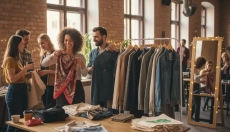

How to get rid of fast fashion and stay stylish
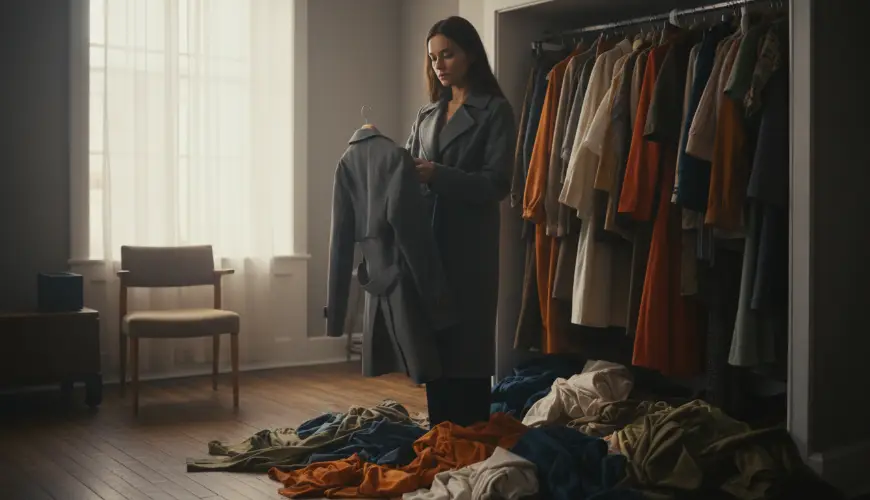
We all know the feeling. You're scrolling through social media, you spot a trendy piece of clothing at a ridiculously low price, you click "add to cart," and a few days later a package wrapped in plastic arrives at your door. The joy of the purchase lasts a few hours, maybe days – and then the piece disappears somewhere in the depths of your wardrobe among dozens of others you bought in exactly the same way. This cycle has a name, and it's no secret: fast fashion. And that's precisely why more and more people are looking for a way to break free from it without having to sacrifice their personal style. Something like a fast fashion detox – a conscious disconnection from habits that harm the planet, your wallet, and our ability to truly appreciate what we wear.
The concept of fast fashion – the mass production of cheap clothing copying the latest trends from fashion runways – began taking shape in the nineties and reached its peak with the rise of online shopping. Chains like Shein, Zara, or H&M can get a new design from sketch to store in just two weeks. According to a European Parliament report, global clothing production doubled between 2000 and 2014, and the average European throws away approximately eleven kilograms of textiles per year. These are numbers worth reflecting on – and they show that the problem isn't just in the fashion industry itself, but also in our consumer habits.
But here's where the fundamental contradiction arises. Most people don't want to walk around in baggy, nondescript-colored clothing just to be "sustainable." And rightly so. Style is a form of self-expression, a part of identity, and no one should feel they have to choose between how they look and how they treat the environment. The good news is that they don't have to. Disconnecting from fast fashion doesn't mean stopping caring about what you wear – it means starting to care about it differently, more deeply, and with greater intention.
Try our natural products
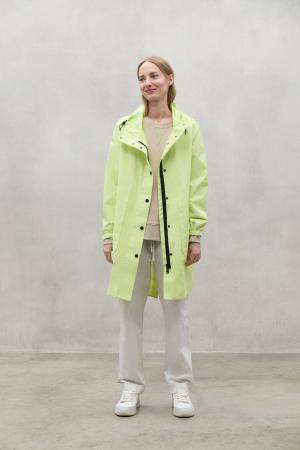
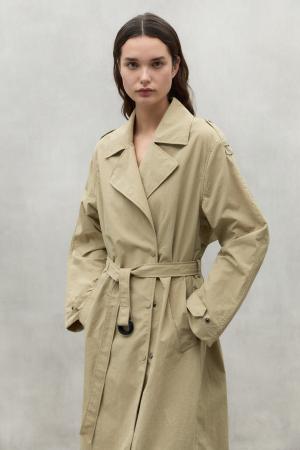
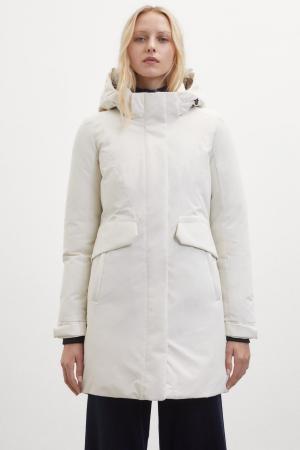
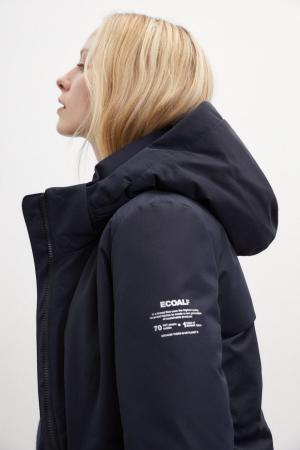
Why it's so hard to quit fast fashion
When you think about it, fast fashion works on the same principle as any other addiction. It offers instant gratification at a low cost. The dopamine hit from buying a new piece is real – neuroscientists confirm that the very act of shopping activates reward centers in the brain. Add to that the constant stream of new collections, influencers showcasing a different outfit every day, and social media algorithms that deliberately serve you ads for clothing you've just been browsing. This creates a perfect loop that's hard to escape.
Another factor is social pressure. In an era when an outfit repeated in two Instagram photos is considered a fashion faux pas, it's understandable that people feel the need to constantly refresh their wardrobe. The British charity Barnardo's found in a survey that a third of young women consider clothing "old" after wearing it once or twice. Once or twice. That's a consumption model that is unsustainable in the long run – economically, ecologically, and psychologically.
And then there's, of course, the question of money. A t-shirt for a hundred crowns looks like a great deal. But when you buy twenty of them per season and they fall apart after three washes, you've paid two thousand for clothing that never really served you. By contrast, a quality cotton t-shirt for five hundred crowns that lasts years is paradoxically the cheaper option. The true cost of clothing isn't measured at the checkout, but in the cost per wear. This simple calculation can change your entire perspective on what "expensive" and "cheap" really mean.
So what does a practical fast fashion detox look like? It's not a one-time event, but a gradual shift in approach. Imagine Kateřina from Brno, a thirty-year-old graphic designer who two years ago realized that her wardrobe bursting at the seams was paradoxically driving her to despair every morning because she had "nothing to wear." She started by banning herself from buying any clothing for a month. Not to punish herself, but to realize how much she actually owned and what she truly wore. The result? Out of two hundred pieces of clothing, she regularly reached for about thirty. The rest was dead weight – impulse purchases, pieces bought on sale "because it was a sale," things that never really fit properly.
Kateřina's story isn't unique. The method known as a shopping fast – a period during which you consciously don't buy new clothing – is one of the most effective ways to become aware of your own consumption patterns. It's not about punishing yourself, but about gaining distance and perspective. During such a period, you often discover that your wardrobe is much richer than you thought, and that combinations you never tried work surprisingly well.
How to build a wardrobe that lasts and is worth it
After the awareness phase comes the building phase – this time, however, with clear intention. The capsule wardrobe concept, popularized by fashion designer Donna Karan back in the eighties, remains relevant in this regard. The principle is to own a smaller number of quality, mutually combinable pieces in neutral colors, supplemented by a few statement pieces that reflect your personality. It's not a uniform – it's a thoughtful system that saves you time in the morning while ensuring you always look great.
The key is to invest in so-called wardrobe staples. Well-fitting jeans, a quality white t-shirt, a timeless coat, comfortable yet elegant shoes. These are pieces where it pays to spend more because you'll wear them hundreds of days. On the other hand, trendy accessories – a scarf in the color of the season, an interesting piece of jewelry, or a handbag – can be the element that brings an entire outfit to life without you having to change your whole wardrobe every six weeks.
An important part of this approach is also taking care of the clothing you already have. Proper washing, drying, and storage can extend the lifespan of clothing by years. For example, washing at lower temperatures, using gentle detergents, and air-drying instead of using a tumble dryer are simple changes with a big impact. And if a minor defect appears on a piece of clothing – a torn-off button, a split seam – the repair takes a few minutes and costs a fraction of the price of a new piece. As the famous quote attributed to British fashion designer Vivienne Westwood goes: "Buy less, choose well, and make it last."
A separate chapter is second-hand and vintage clothing. What was still perceived as a last-resort solution ten years ago has today become a full-fledged part of fashion culture. Platforms like Vinted, Momox Fashion, or brick-and-mortar second-hand shops and vintage boutiques offer the chance to find unique pieces with a story at a fraction of the original price. Moreover, it's one of the most ecological ways to shop – no new production, no new emissions, no new waste. And you'll often come across a quality of materials and craftsmanship that you practically can't find in regular stores anymore.
If you do crave something new, it's worth seeking out brands that take sustainability seriously. It's not just about big names – there's a whole range of smaller Czech and European producers who work with organic materials, pay their employees fairly, and transparently communicate the entire production process. Certifications like GOTS (Global Organic Textile Standard), OEKO-TEX, or Fair Trade can serve as a useful compass when making decisions. They're not a guarantee of perfection, but they show that a given brand has taken concrete steps toward more responsible production.
Also interesting is the growing trend of clothing rental services, especially for occasional and formal wear. Why buy a dress for one wedding or a suit for one corporate event when you can rent them? In the Czech Republic, this concept isn't yet as widespread as in Western Europe or Scandinavia, but it's gradually developing, partly thanks to growing awareness of the environmental impacts of the fashion industry. According to the Ellen MacArthur Foundation, one of the leading organizations focused on the circular economy, transitioning to a model of reuse and textile recycling could significantly reduce the fashion industry's carbon footprint by 2030.
Disconnecting from fast fashion also has a dimension that's discussed less often – a psychological one. People who have shifted to a more conscious approach to dressing often describe a feeling of relief and calm. Fewer things in the wardrobe means less decision-making, less chaos, and paradoxically more creativity. When you have twenty carefully selected pieces instead of two hundred random ones, every outfit is intentional and carries your personal stamp. Style stops being about quantity and becomes a true expression of who you are.
It's fair to say that not everyone can afford to switch to sustainable fashion overnight. Quality clothing costs more money, and not everyone has the budget to buy an organic cotton t-shirt for five hundred crowns instead of a synthetic one for a hundred. That's why it's important not to fall into black-and-white thinking. A fast fashion detox isn't about perfection – it's about direction. Every step counts, whether it's reconsidering an impulse purchase next time, repairing a favorite shirt instead of throwing it away, or checking a second-hand shop before heading to a chain store. Sustainability isn't an exclusive club for those who can afford designer eco brands. It's an attitude that anyone can adopt, regardless of the size of their wallet.
Maybe right now you're sitting in front of an open wardrobe wondering where to start. Try a simple thing: pull out everything you haven't worn in the last twelve months. Look at it. Ask yourself why you bought it and why you don't wear it. That answer will tell you more about your shopping habits than any article – including this one. And then take the first step. Donate, sell, swap. And next time, before you click "add to cart," give yourself twenty-four hours to think it over. Most impulse buying decisions don't survive this simple test of time – and your wardrobe, your wallet, and the planet will thank you for it.