

# How to Support Fertility Naturally

The desire for a child is among the deepest human wishes. And yet more and more couples are finding that the path to pregnancy is not as straightforward as they would like. According to data from the World Health Organization, approximately one in six people worldwide suffers from infertility – an enormous number that shows this is a societal problem, not merely a matter of personal bad luck. At the same time, science is increasingly and convincingly showing that lifestyle, diet, and everyday habits play a far greater role in fertility than was previously assumed.
Before we venture into the world of research and recommendations, however, it is important to say one thing out loud: natural fertility support is not a substitute for medical care. It is more of a foundation upon which everything else can function better. And for many couples, these seemingly small changes have proven to be pivotal.
Try our natural products
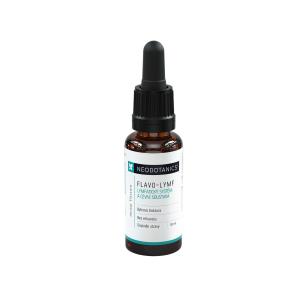
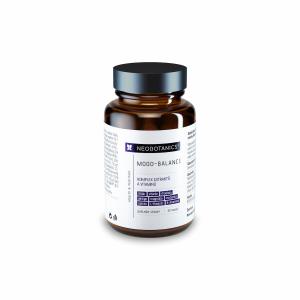

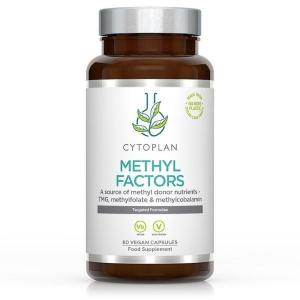
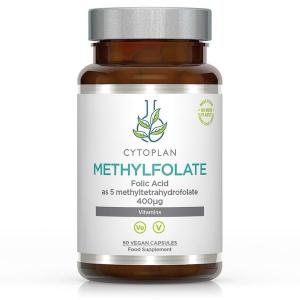
Diet as a foundation – and science confirms it
Few areas of medicine have seen such development in recent years as research into the connection between nutrition and reproductive health. One of the most significant contributions in this area is the so-called fertility diet, whose principles were described in detail by scientists at the Harvard School of Public Health. Their long-term study following tens of thousands of women showed that women who ate according to certain principles had a significantly lower risk of ovulatory infertility.
What do these principles involve? They primarily concern the intake of plant-based proteins instead of animal proteins, consuming whole grains instead of refined carbohydrates, sufficient healthy fats – particularly from avocado, olive oil, or nuts – and limiting trans fats, which are found in industrially processed foods. Iron-rich foods such as legumes, spinach, or fortified cereals also play a key role.
Take the example of thirty-year-old Lucie, who after two years of unsuccessfully trying for a baby decided to consult a nutritional specialist about her diet. She discovered that her diet was low in folic acid and zinc – two nutrients essential for healthy eggs and sperm. After adjusting her diet and supplementing these substances, she became pregnant within six months. Of course, it cannot be said whether this was the decisive factor, but stories like hers are not exceptional.
Folic acid deserves special mention. Sufficient intake before conception and in its early stages is one of the best-documented recommendations in all of reproductive medicine. Not only does it reduce the risk of neural tube defects, but research suggests it also affects egg and sperm quality. Natural sources include leafy vegetables, lentils, asparagus, or broccoli, or alternatively a quality dietary supplement containing the methylfolate form, which is better absorbed.
Equally important is vitamin D, the deficiency of which is very widespread in the Czech Republic – particularly during the winter months. Studies published in the specialist journal Human Reproduction repeatedly link low vitamin D levels with reduced fertility in both women and men. Yet supplementing it is among the simplest and most affordable interventions of all.
Antioxidants must also be mentioned – vitamin C, vitamin E, selenium, and coenzyme Q10. Oxidative stress, meaning the imbalance between free radicals and antioxidants in the body, damages both eggs and sperm. A diet rich in fruits and vegetables, particularly darkly coloured varieties such as blueberries, pomegranate, or red pepper, helps maintain this balance. For men, zinc and selenium are particularly important, as they directly influence sperm motility and morphology.
Exercise, stress, and sleep – a trio that must not be underestimated
Physical activity has a double-edged effect on fertility – and it is precisely this nuance that tends to be overlooked in popular articles. While moderate physical activity demonstrably supports fertility, extreme competitive sport can have the opposite effect. In women with very low body fat percentage or under excessive physical strain, ovulation disorders can occur. Conversely, being overweight or obese is associated with elevated oestrogen levels in fatty tissue, which also disrupts hormonal balance.
The ideal is therefore exercise in reasonable measure – brisk walking, yoga, swimming, or cycling at a recreational pace. Such exercise improves insulin sensitivity, regulates body weight, and reduces inflammation in the body, with these three factors having a direct impact on reproductive hormones. Research shows that even 150 minutes of moderately intense exercise per week – just 30 minutes a day five days a week – can have a measurable positive effect.
Stress is a chapter unto itself. Many couples hear the advice "try not to stress" and find it laughable – as if stress could be switched off like a light. And yet the advice is not without foundation. Chronic stress increases cortisol levels, which disrupts the production of sex hormones and can block ovulation in women. However, as research published in the journal Fertility and Sterility has shown, the stress of infertility itself is often comparable to the stress of a serious illness – creating a vicious cycle.
Practical stress management is therefore not just about relaxation, but about systematic care for mental health. Meditation and mindfulness have increasingly strong scientific support in this context – studies show that a regular meditation practice reduces cortisol levels and improves hormonal profiles. Acupuncture has a similar effect; while it still faces scepticism from part of the scientific community, a number of studies suggest its positive influence on regulating the menstrual cycle and blood flow to the uterus.
Sleep tends to be overlooked in discussions about fertility, despite its influence being fundamental. During sleep, the body produces melatonin, which protects eggs from oxidative stress, and regulates levels of luteinising hormone (LH) and follicle-stimulating hormone (FSH) – both key to ovulation. Chronic sleep deprivation disrupts these processes. The ideal is seven to nine hours of quality sleep in a regular rhythm, with the darkness of the room also playing a role due to the natural secretion of melatonin.
Male fertility: the overlooked half of the equation
Although public discussion of fertility focuses predominantly on women, men are responsible for approximately half of all conception difficulties. And male fertility is particularly sensitive to lifestyle – perhaps even more so than female fertility, because sperm renew approximately every 74 days, meaning that lifestyle changes are reflected relatively quickly in ejaculate quality.
Heat is sperm's number one enemy. The testes are located outside the body precisely so that they remain a few degrees cooler than the rest of the organism – this is essential for sperm production. Yet many men regularly use laptops on their laps, spend hours in hot baths or saunas, and wear overly tight underwear. A study published in the journal Human Reproduction Update demonstrated that even a mild increase in testicular temperature over a period of several weeks can significantly reduce sperm count and motility.
Alcohol and smoking are among the best-documented negative influences on male fertility. Smoking damages sperm DNA and reduces motility, with this effect being apparent even in passive smokers. Alcohol disrupts testosterone production and worsens sperm morphology – even at relatively moderate levels of consumption. Anabolic steroids have a similar effect, paradoxically suppressing the body's own sperm production entirely when used in pursuit of better physical condition.
The key nutrients for men are zinc, selenium, coenzyme Q10, and omega-3 fatty acids. Zinc is naturally found in pumpkin seeds, beef, and seafood. Selenium is abundant in Brazil nuts – just two to three per day is sufficient to meet the recommended daily intake. Coenzyme Q10 improves the energy metabolism of sperm, and its supplementation has been linked to improved semen parameters in several clinical studies.
As leading British reproductive specialist Robert Winston aptly remarked: "Fertility is not fate – it is largely the result of everyday decisions." These words apply equally to men and women.
Hormones and environment: the hidden saboteurs of fertility
In recent years, the topic of endocrine disruptors – chemical substances that interfere with the hormonal system – has attracted increasing attention from the scientific community. They are found in plastic packaging (BPA), pesticides, cosmetics containing parabens or phthalates, and in some cleaning products. Research links their long-term effects to reduced sperm quality, ovulation disorders, and endometriosis.
Switching to eco-friendly household and personal care products is not merely a fashionable trend – it has a real health basis. Choosing cosmetics free from endocrine disruptors, using glass or stainless steel containers instead of plastic ones, and preferring organic foods to reduce pesticide exposure are steps that, while they cannot be scientifically "proven" in isolation as a cause of improved fertility, make unambiguous sense in the context of an overall reduction in the body's chemical burden.
It is similarly worth mentioning blood sugar regulation. Polycystic ovary syndrome (PCOS), one of the most common causes of female infertility, is closely linked to insulin resistance. A diet with a low glycaemic index, limiting refined sugars, and regular exercise help reduce this resistance – and thereby also improve hormonal balance and the regularity of ovulation. Inositol, a substance naturally occurring in fruits and legumes, has in recent years proven to be a very promising supplement for women with PCOS, with its effectiveness confirmed by meta-analyses of clinical studies.
The overall picture that emerges from scientific findings is actually surprisingly coherent: fertility thrives on what benefits health in general. A varied diet full of natural foods, sufficient exercise without extremes, quality sleep, stress management, and reducing toxic burden – these are pillars that mutually reinforce one another. This is not about any miraculous formula or expensive procedures, but about returning to the fundamentals that our bodies need in order to give life to new life.