

# How to Build a 30-Piece Capsule Wardrobe
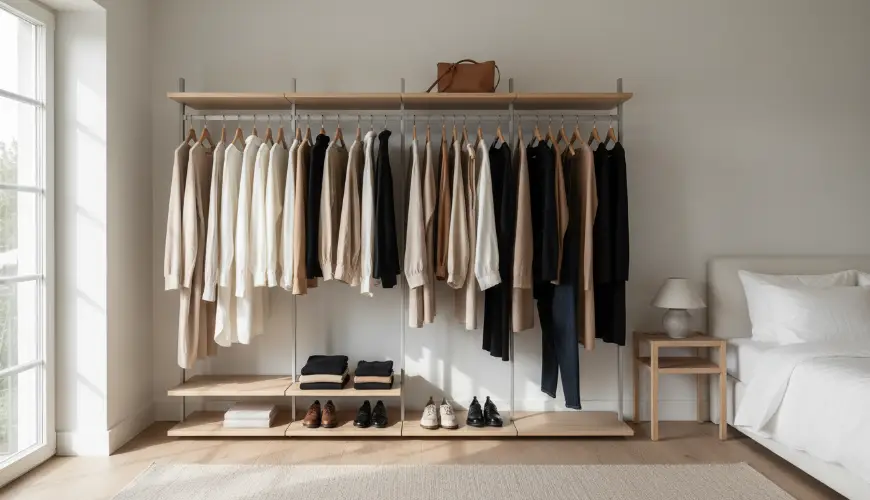
Imagine standing in front of an overflowing wardrobe, with dozens of hangers full of clothes tumbling out at you, yet feeling like you have nothing to wear. Sound familiar? Most of us know this paradox, and it's one of the main reasons why more and more people are turning to the concept of the so-called capsule wardrobe. The idea that less can mean more is nothing new in fashion, but in recent years it has taken on an entirely new dimension – not just aesthetic, but also practical and ecological.
A capsule wardrobe is not a diet for your closet or a fashion punishment. It's a thoughtful approach to dressing built on a simple principle: owning a smaller number of high-quality, mutually combinable pieces of clothing that truly fit you and that you genuinely like. The result is a functional wardrobe from which you can easily put together an outfit for any occasion without wasting time every morning helplessly rummaging through a flood of textiles. And the number thirty, in this context, turns out to be something of a magic compromise – frugal enough to make you think, yet generous enough to cover the needs of everyday life.
The term "capsule wardrobe" was first used by London boutique owner Susie Faux in the 1970s and was later popularized by American designer Donna Karan with her "Seven Easy Pieces" collection in 1985. Since then, the concept has undergone a number of transformations, but its core remains the same: get rid of the excess and keep what matters. In the era of fast fashion, when the average European, according to data from the European Environment Agency, throws away approximately eleven kilograms of textiles per year, this approach has far-reaching significance not only for personal comfort but also for the planet.
Try our natural products
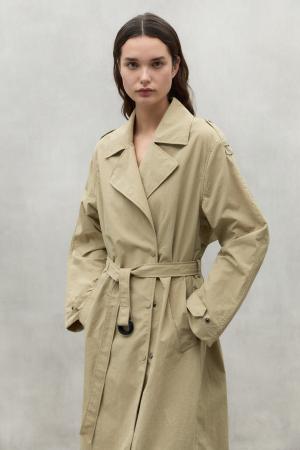
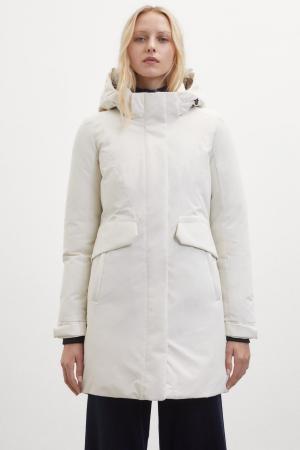
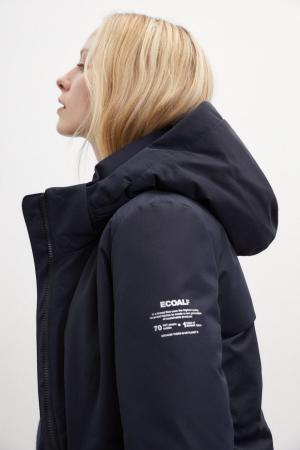
Why a capsule wardrobe and what it will bring you
When someone first encounters the idea that they should get by with thirty pieces of clothing, the usual reaction is disbelief. Thirty pieces? Including coats, trousers, T-shirts, dresses? How is that even possible? But that's precisely where the beauty of this system lies – it forces us to think about what we actually wear and to discover how many things in our wardrobe are there just to make up the numbers.
Psychological research repeatedly confirms that an excess of choice leads to decision fatigue. American psychologist Barry Schwartz described this phenomenon in his book The Paradox of Choice, and it applies to everyday dressing as well. The more options you have, the harder it is to choose and the less satisfied you are with the result. A capsule wardrobe elegantly solves this problem – when you have thirty carefully selected pieces at your disposal, the morning ritual transforms from a frustrating search into a pleasant routine.
Beyond psychological comfort, a capsule wardrobe also brings entirely tangible benefits. Above all, you'll save money. Not because you're buying cheap clothes, but because you're buying less and better. Investing in one quality wool coat that lasts five or more seasons ultimately pays off far more than buying three cheap jackets every year that start falling apart after two months. And then, of course, there's the ecological aspect. The textile industry is among the most polluting sectors in the world, and every piece of clothing we don't buy unnecessarily is a small step in the right direction.
The social dimension is interesting too. People who have switched to a capsule wardrobe often describe paradoxically feeling better dressed than before. It's logical – when every piece in your wardrobe is thoughtfully chosen and coordinates with the rest, it's practically impossible to create a bad combination. The stress of "I have nothing to wear" disappears and is replaced by the confidence that whatever you put on will look good.
Take the example of Kateřina from Brno, a thirty-year-old graphic designer who decided two years ago to reduce her wardrobe. "I had a full wardrobe, but I kept wearing the same three outfits," she describes her experience. When she sat down and honestly went through all her clothes, she discovered that out of more than a hundred pieces, she regularly wore barely twenty. The rest were impulse purchases, things kept "for when I lose weight," clothes still with tags that she'd never worn. Today she has thirty-two pieces in her wardrobe and says she gets dressed faster, more confidently, and with much greater joy.
How to build a functional wardrobe from thirty pieces
Transitioning to a capsule wardrobe isn't a one-afternoon affair. It's a process that requires a bit of patience and, above all, honesty with yourself. The first and most important step is a thorough inventory of your existing wardrobe. Pull out absolutely everything – yes, even that T-shirt tucked away at the back of the shelf – and divide your clothes into three piles: I wear regularly, I wear occasionally, and I never wear. That third pile tends to be surprisingly the largest, and it's precisely the material you need to part with, whether by donating, selling, or recycling.
Once you're clear on what you actually wear, the planning phase begins. The key to a successful capsule wardrobe is a color palette. Choose two to three neutral colors that will form the foundation – it could be black, navy blue, beige, gray, or white – and complement them with one or two accent colors that you enjoy and that suit you. With this simple trick, you'll ensure that practically all the pieces in your wardrobe will combine with each other.
When it comes to the specific composition of a thirty-piece wardrobe, there is no single universal recipe, because everyone lives a different life. Some people need formal office wear, while others spend most of their time outdoors with children. Nevertheless, there is a kind of framework to start from that everyone can adapt to their own needs:
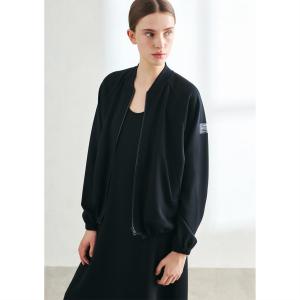
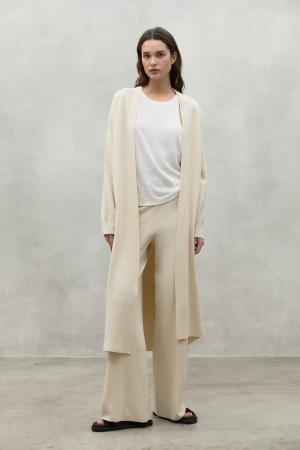
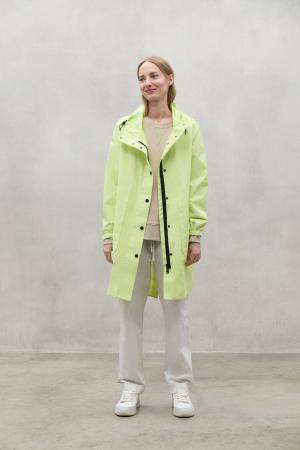
- Outer layer (3–4 pieces): winter coat, transitional jacket, light rain jacket, possibly a blazer
- Sweaters and sweatshirts (4–5 pieces): a mix of lighter and warmer variants in neutral tones
- Tops and T-shirts (6–8 pieces): quality solid-color T-shirts, one or two shirts, possibly a blouse
- Trousers and skirts (4–5 pieces): jeans, chinos or work trousers, one skirt or shorts depending on the season
- Dresses (1–2 pieces): a versatile piece that works on its own as well as with layering
- Sports and loungewear (3–4 pieces): leggings, sports T-shirt, sweatshirt for home
- Footwear (4–5 pairs): everyday shoes, a dressier pair, sports shoes, seasonal footwear
This is, of course, an indicative breakdown and the numbers may vary. What matters is that each individual piece fulfills its role and can ideally be combined with at least three other items in your wardrobe. If you find a piece that goes with only one single thing, that's a warning sign.
When building a capsule wardrobe, it's extremely important to think about material quality. Natural materials such as cotton, wool, linen, or lyocell not only last longer but are also more comfortable to wear and gentler on the environment. This is where it becomes clear that a capsule wardrobe and sustainable fashion go hand in hand. When you buy less, you can afford to invest in better materials and ethically produced clothing. As British designer Vivienne Westwood once said: "Buy less, choose well, and make it last."
One of the frequent questions is how a capsule wardrobe copes with the changing seasons. Most advocates of this approach work with so-called seasonal rotation – core pieces remain year-round, while several seasonal items are swapped out. You don't need a winter coat in summer, and conversely, light linen dresses will be of no use to you in January. These seasonal pieces are simply stored away and swapped at the right time. The total count of thirty pieces refers to what you have in active use during a given period, not the absolute total of all the clothing you own.
Another practical aspect is clothing care. When you have fewer pieces, you naturally wear them more often, and therefore you need to take more conscientious care of them. This means washing at lower temperatures, using gentle detergents, air-drying instead of using a tumble dryer, and addressing minor repairs immediately before a small hole becomes a problem. Proper care can extend the lifespan of clothing several times over, which is meaningful both economically and ecologically.
The psychological side of the whole process should not be overlooked either. Getting rid of clothes can be surprisingly emotionally challenging for many people. Things carry memories, hopes, and sometimes even feelings of guilt over money needlessly spent. It's perfectly fine to proceed slowly and not make radical cuts overnight. Some people help themselves with a so-called "quarantine box" – pieces they're unsure about are set aside for a month, and if they don't reach for them even once during that time, it's clear they don't need them.
A capsule wardrobe is not a rigid system with strict rules. It's more of a philosophy of approaching how you dress, which everyone adapts to their own life, style, and needs. Some people get by with twenty-five pieces, others need thirty-five. The number thirty is a reference point, not a dogma. What matters is conscious decision-making – to stop shopping mindlessly and start asking: Do I really need this? Does it go with three other things in my wardrobe? Will it last more than one season? If the answer is yes three times, it's probably a good purchase.
And it's precisely at this point that the capsule wardrobe intersects with the broader movement toward a more sustainable lifestyle. It's not just about having a tidy wardrobe – although that's a pleasant bonus. It's about a more conscious relationship with the things that surround us, about respect for the work of the people who made our clothes, and about responsibility toward the planet on which we all live. Every piece of clothing we acquire thoughtfully and wear with joy is a quiet protest against the throwaway culture that defines the current fashion industry.
You might think that thirty pieces is too few. But try sometime to count how many different outfits you can create from thirty mutually combinable pieces. The math, in this case, is surprisingly generous – and your morning decision-making surprisingly easy.