
Get rid of foot blisters and enjoy more comfortable walking
When Feet Suffer - What Causes Blisters and How to Gently Get Rid of Them
Footwear is a daily necessity for most people. However, few realize that poorly chosen shoes can be the source of significant discomfort. Blisters on feet, whether it's a painful blister between the toes or a blister on the pinky toe, are common reasons why walking becomes an exhausting ordeal.
Blisters don't only affect women in heels or athletes, as many believe. Anyone, from children to seniors, can experience them. And while they might seem like a trivial issue, the opposite is true. Ignoring blisters long-term can lead to changes in posture, joint issues, or even skin infections.
How Blisters Form and Why They Hurt
Imagine the scenario: a new pair of shoes that looks perfect. After a few hours of wearing them, an unpleasant burning starts on the pinky toe. The shoes press, the skin rubs, and in no time, a red spot forms, which gradually hardens or fills with fluid. This is a typical blister on the pinky toe, caused by prolonged friction or pressure on a specific spot.
A similar process creates a blister between the toes – often due to lack of space, high moisture, or sock seams pressing on a sensitive area. The area between the toes is also less ventilated, making it easy for bacteria to multiply. Besides pressure and pain, this can lead to skin irritation or infections.
In many cases, the culprit is inappropriate footwear – too tight, narrow, or conversely, loose shoes that allow the foot to slide and rub against the inner wall of the shoe. It's not uncommon for people to wear shoes a size smaller than they need, just to make the foot appear smaller. For children, whose feet grow rapidly, constant irritation can affect the later development of the foot.
Try our natural products
When Pain Becomes a Daily Reality
Blisters are not just a cosmetic issue. A painful blister between the toes can significantly impact daily movement – not just in walking, but also in sports or simply standing. Imagine a shop assistant standing all day. The blister on her pinky toe rubs against the inside of the shoe, every step hurts, and in the evening, she struggles to walk home. Or a runner, whose blister between the toes becomes inflamed, causing him to miss weeks of training.
This can be compounded by improper foot care – sharp nail clipping, excessive pressure during pedicure, or insufficient skin hydration. Dry and cracked skin tends to harden and subsequently form blisters.
It's not uncommon for people to try to "walk off" blisters or cover them with a bandage. However, this only addresses the consequence, not the cause. If the problem persists, it's time to consider why it occurs and how to prevent it.
How to Care for Feet and Prevent Blisters
Prevention is key. One of the most effective methods to avoid blisters between toes or on the pinky toe is choosing the right footwear. The shoe should fit the shape of the foot, provide ample space for the toes, and be made of breathable material. For everyday wear, ideal footwear has a soft insole and flexible outsole, cushioning the impact of walking. For sports shoes, proper lacing and arch support are also crucial.
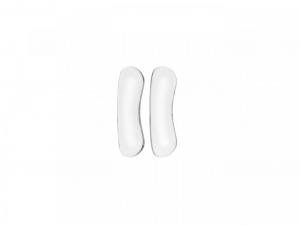
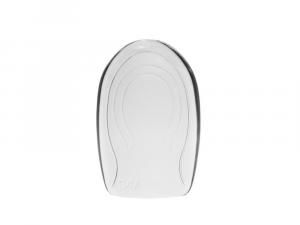
Another important component of prevention is skin care. Feet need to be washed regularly, thoroughly dried, especially between the toes, and treated with a moisturizing cream. In areas where blisters often form, using protective gel pads or bandages can help reduce friction. For those prone to hard skin, using pumice or gentle exfoliating creams is advisable.
Suitable socks made from natural materials help wick moisture and prevent friction. The market also offers socks with antibacterial treatment or separated toes, which can be very useful for problems with blisters between toes.
What to Do When a Blister Forms
If a blister forms, it's important to determine whether it's a regular blister, hardened skin, or perhaps a corn. For blisters, it's recommended not to puncture them unless absolutely necessary – the natural protective layer aids healing. If a blister is already burst, it should be cleaned, disinfected, and protected with a bandage.
Hardened areas can be softened with a warm bath with sea salt or baking soda, then gently removed with pumice or a file. However, avoid excessive scrubbing as it can injure the skin and cause further issues.
If a blister persists for a long time, is painful, inflamed, or repeatedly returns to the same spot, it's advisable to consult a specialist – such as a podiatrist or dermatologist. In some cases, it may indicate an orthopedic problem, like a bunion or joint deformity, altering foot pressure and causing excessive pressure on certain parts of the foot.
Sustainable Solutions: When Health Goes Hand in Hand with Nature
Solutions for blister problems don't have to rely solely on synthetic creams or plastic inserts. Many people today seek natural alternatives that are gentle not only on the body but also on the planet. The market offers, for example, foot creams containing shea butter, calendula, or tea tree oil, which have anti-inflammatory and healing effects.
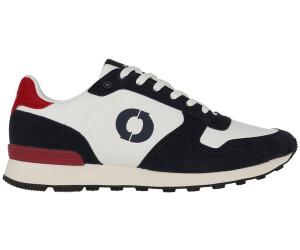
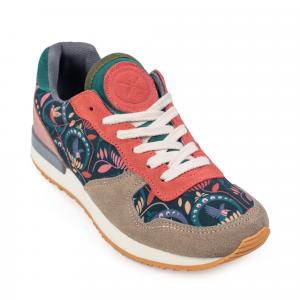
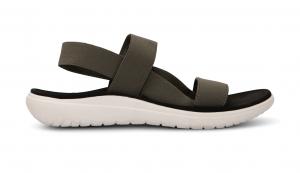
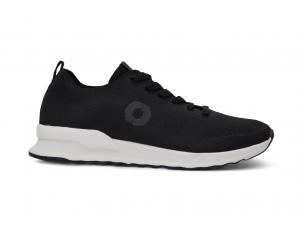
An interesting option is shoes designed with ergonomics and sustainability in mind – such as barefoot models that respect the natural shape of the foot and are also made from eco-friendly materials. These shoes often help prevent blisters by allowing the foot to move naturally without unnecessary pressure.
Ferwer, for instance, offers brands that combine a healthy lifestyle with sustainable production – from handmade soaps to shoes without toxic glues. Even a small detail, like a natural foot deodorant or socks made from organic cotton, can significantly contribute to foot health.
Life with a Light Step
Our feet carry us throughout life – yet we often forget about them. The next time you feel uncomfortable pressure between your toes or a painful blister on your pinky toe, pay attention to these signals. It's not just a minor inconvenience but a call for change from your body.
"The best doctor is one who knows the cause of the disease, not just its symptoms," said Hippocrates in ancient times. Similarly, with blisters, it's not enough to just alleviate the pain – it's necessary to find the cause and change habits. Whether it's choosing footwear, caring for skin, or opting for sustainable products, every step can be more pleasant if preceded by a conscious choice.
Because when feet don't hurt, the whole day suddenly feels lighter.