

Discover 7 Czech Superfoods from Your Garden
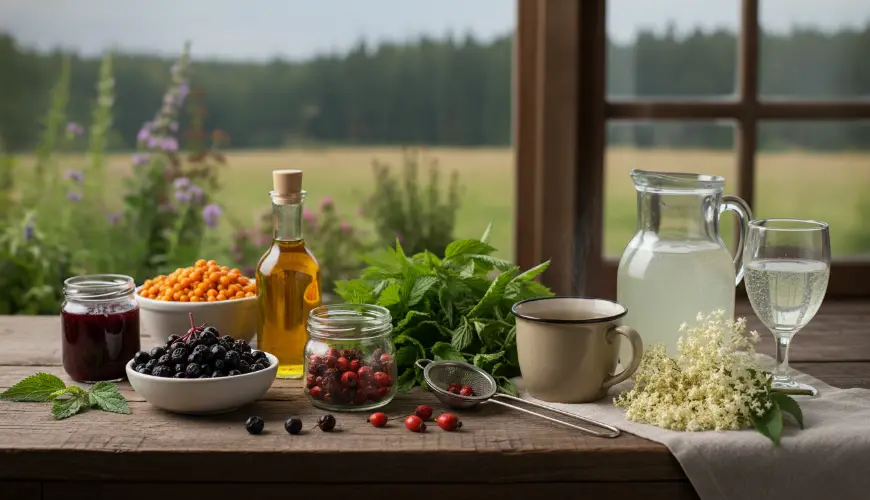
When people hear superfoods, most imagine exotic berries from the Amazon, chia seeds imported from Mexico, or spirulina from tropical lakes. But the truth is that some of the most powerful natural sources of vitamins, minerals, and antioxidants grow literally right around the corner – in gardens, in ditches along roads, or at the edge of the forest. Czech superfoods, which you may have right in your garden without even knowing it, can easily compete with any expensive powder from a health food store. What's more, they're free, fresh, and completely local.
The term "superfood" has no official scientific definition, but it generally refers to foods with an exceptionally high concentration of nutrients beneficial to human health. Interestingly, many of them have been growing in the temperate zone of Central Europe since time immemorial, and our ancestors commonly used them – whether in the kitchen or in folk medicine. It was only with the arrival of globalized food industry and marketing that we began to overlook them in favor of trendy imports. So it's time to look beneath our feet and rediscover what has always been here.
Try our natural products

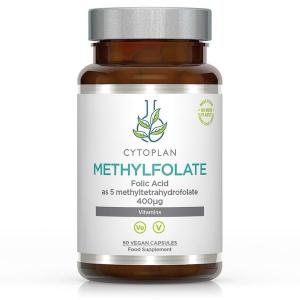
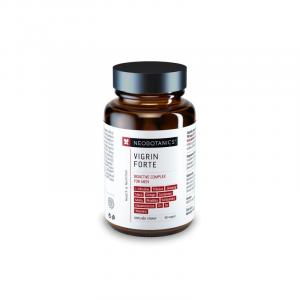
Nettle, rosehip, sea buckthorn, and other treasures of the Czech garden
Stinging nettle is probably the most underrated plant in the Czech landscape. Most gardeners consider it a troublesome weed and try to get rid of it, yet nettle is among the nutritional champions. It contains more iron than spinach, is rich in vitamin C, vitamin K, calcium, and silicon, and furthermore possesses strong anti-inflammatory properties. Nettle tea has been used for centuries to detoxify the body and support kidney function. Young nettle leaves harvested in spring can be blanched and added to soups, smoothies, or spinach dishes. As noted in the European Medicines Agency (EMA) herbal medicines database, nettle is an officially recognized traditional medicinal herb with documented use for urinary tract problems and rheumatic complaints.
Who wouldn't know the rosehip, the red fruit of wild roses that lines field paths and hedgerows from lowlands to foothill areas? Rosehip is one of the richest natural sources of vitamin C – it contains approximately twenty times more than lemon. In addition, it is full of flavonoids, carotenoids, and pectin, which supports healthy digestion. Rosehip tea is a classic of Czech home remedies, but rosehips can also be made into jam, syrup, or fine powder that is added to yogurts and oatmeal. A study published in the journal Phytomedicine confirmed that regular consumption of rosehip powder can contribute to reducing joint pain and improving mobility in people with osteoarthritis.
Sea buckthorn is another remarkable species that has been gaining well-deserved attention in recent years. These small orange berries growing on thorny bushes contain a unique combination of vitamins C, E, A, and rare omega-7 fatty acids, which are seldom found in the plant kingdom. Omega-7 acids support the health of mucous membranes, skin, and the cardiovascular system. Sea buckthorn is completely undemanding to grow – it tolerates drought, frost, and poor soils, making it suitable even for places where other fruit bushes don't thrive. The berries can be pressed into juice, made into oil, or frozen and added to smoothies. One cup of sea buckthorn juice covers the daily recommended dose of vitamin C several times over.
Then there is elderberry, a tree so common that most people perceive it as part of the landscape without giving it much thought. Yet elderberry flowers contain flavonoids with proven antiviral and immunostimulatory effects. Elderberry syrup is a traditional home remedy for colds and flu, and modern research confirms this – a meta-analysis of studies published in the Journal of Functional Foods showed that elderberry extracts can shorten the duration and alleviate the symptoms of respiratory infections. Elderflowers are also excellent for making fragrant syrup, lemonade, or battered fried flowers, which are a beloved delicacy in Czech cuisine.
A less well-known but equally valuable plant is black chokeberry, or aronia. This unassuming shrub with dark purple fruits is grown in Czech gardens mostly as an ornamental, but its berries are among the foods with the highest antioxidant content of all. The ORAC value (a measure of antioxidant capacity) of aronia surpasses blueberries, pomegranates, and even acai. Aronia contains high amounts of anthocyanins, which protect cells from oxidative stress, support vascular health, and may contribute to blood pressure regulation. The fruits have a somewhat astringent taste, so they are most commonly processed into jam, compote, or cookies, or dried and added to muesli.
Dandelion is another ubiquitous plant that most gardeners mercilessly pull from their lawns. Yet practically all parts of the dandelion are edible and medicinal. The leaves contain more beta-carotene than carrots, are rich in iron, potassium, and B vitamins. Dandelion root is traditionally used to support liver and gallbladder function. Young leaves are great in spring salads, the flowers can be made into dandelion honey, and roasted roots are used to prepare a coffee substitute that contains no caffeine but delivers a pleasant bitter flavor. As the famous Swiss physician and botanist Paracelsus noted: "All meadows and pastures are a pharmacy." And the dandelion is perfect proof of that.
The seventh Czech superfood is linden, or more precisely, linden blossom. The linden is a national tree, and its sweetly fragrant flowers are collected in June and July. Linden tea is one of the oldest home remedies for fever, insomnia, and anxiety. It contains flavonoids, mucilaginous substances, and essential oils with calming and anti-inflammatory effects. But that's not all – linden blossom promotes sweating, thereby helping to naturally reduce body temperature during a cold. At a time when many people are looking for natural alternatives to synthetic sleep medications, linden tea is a surprisingly effective and completely safe solution.
Why prefer local superfoods
The question arises: why invest in expensive imported superfoods when comparable or even better nutritional values are offered by plants from your own garden? The answer is simple – marketing. Exotic superfoods benefit from stories of distant lands and indigenous traditions, while nettle or dandelion have no romantic story. They are too ordinary, too accessible, too "ours." Yet that is precisely their greatest advantage.
Local superfoods have several fundamental advantages over imported products. First of all, they are fresh – they don't have to travel thousands of kilometers, so they retain the maximum amount of nutrients. Second, their ecological footprint is minimal. While a kilogram of chia seeds from South America or goji berries from China leaves behind an enormous carbon footprint associated with transportation, drying, and packaging, rosehips gathered on an autumn walk don't burden the planet at all. And third, Czech superfoods are adapted to local conditions, grow without artificial fertilizers and pesticides, and collecting them also gets us outside into nature, which is in itself beneficial for mental health.
A practical example beautifully illustrates how easily these plants can be incorporated into an everyday diet. Mrs. Marta from the Vysočina region, a gardener and former teacher, began systematically collecting and processing fruits and herbs from her garden and surrounding meadows three years ago. In spring, she prepares nettle soups and dandelion salads; in summer, she collects linden blossoms and elderflowers for syrups; in autumn, she processes rosehips, sea buckthorn, and aronia into jams and dried mixes. According to her, over the last three winters she has had significantly fewer colds, her digestion has improved, and she generally feels more energetic. Of course, individual experience is not scientific proof, but similar stories are repeated among many people who have returned to the traditional use of local plants.
However, it is important to also mention the practical side of things. When collecting any wild-growing plants, basic rules must be followed. Only collect in areas that are not affected by pesticides, industrial pollution, or heavy traffic. Always collect only plants that you reliably recognize – if in doubt, it's better to leave the plant alone. For some species, such as sea buckthorn or aronia, it is easier to get a bush for your garden and thus have control over the quality of the fruits. And last but not least – even natural superfoods should be consumed sensibly and in variety; no single food is a miracle cure for everything.
It is also worth mentioning that interest in Czech superfoods is growing in professional circles as well. Researchers at the Czech University of Life Sciences in Prague have long been dedicated to analyzing the nutritional composition of wild fruits and medicinal herbs, and their results confirm that traditional Czech plants contain comparable or higher amounts of bioactive substances than many promoted exotic superfoods. This trend is also reflected in the growing selection of local products in health food stores – dried sea buckthorn, rosehip powder, or aronia juice are becoming a regular part of the assortment.
Returning to local food sources is not just a trendy fad but a logical step at a time when more and more people are looking for sustainable ways of eating. Czech superfoods – nettle, rosehip, sea buckthorn, elderberry, aronia, dandelion, and linden blossom – are accessible, effective, and ecological. All you need to do is look around, learn a bit about proper collection and processing, and start using what nature itself offers us. Perhaps the best pharmacy and health food store is truly right outside your door – in your own garden.