

A Clean Bathroom in 10 Minutes a Day
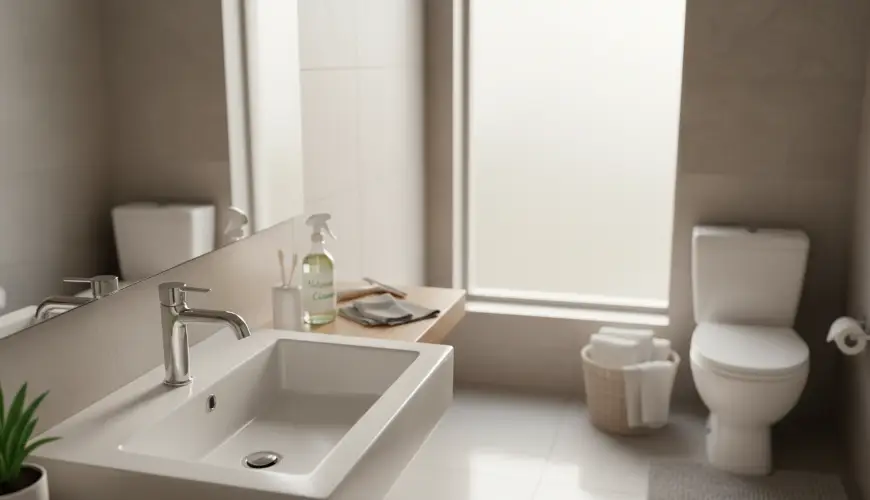
Imagine coming home after a long day at work, opening the bathroom door, and instead of dried droplets on the mirror, buildup on the faucets, and clumps of hair in the corner, you're greeted by a clean, fresh space. Sound like a dream? It doesn't have to be. All it takes is changing the way you think about your bathroom – and dedicating just ten minutes a day to it. No weekend marathons with rubber gloves, no putting off unpleasant cleaning until "next week." Just a simple system that practically runs itself.
A clean bathroom is one of those things that fundamentally affects your sense of well-being at home. Yet it's precisely the room whose cleaning most people put off the longest. The reason is simple – the bathroom gets dirty quickly and seemingly constantly. Moisture, limescale, soap residue, and hair create a combination that can turn even a freshly scrubbed room into something you'd rather not see within just a few days. The traditional approach – doing a thorough clean every once in a while – therefore doesn't work as well as we'd like. Much more effective is prevention and regularity in small doses, and that's exactly what the ten-minutes-a-day system is all about.
The idea isn't new. It's based on a principle promoted by home organization experts around the world, from the American FlyLady method to the Japanese approach to daily household routines. The basic premise is simple: if you take care of a space just a little bit every day, it never reaches the point where cleaning is truly demanding. It's similar to washing dishes – washing two plates after dinner takes a minute, but letting dishes pile up all week means half an hour of frustrating work.
But what does such a system look like in practice? It's not some complicated plan with spreadsheets and schedules. It's about breaking bathroom care down into small tasks that become part of your daily routine as naturally as brushing your teeth. Every day, ideally in the morning after your hygiene routine or in the evening before bed, you dedicate ten minutes to the bathroom. During that time, you perform two to three simple tasks that rotate depending on the day of the week. One day it might be wiping down the mirror and sink, another day a quick pass over the floor, the next day checking and restocking supplies. None of these tasks takes more than a few minutes, yet by repeating them regularly, you keep the bathroom in a condition that would otherwise require an hour of intensive work on the weekend.
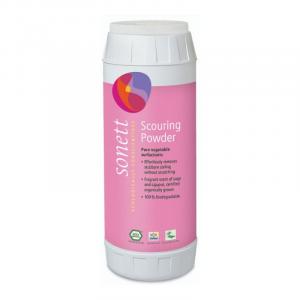
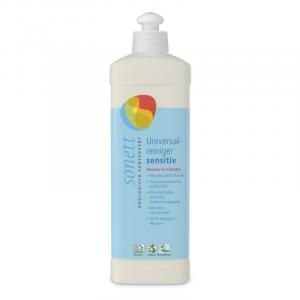
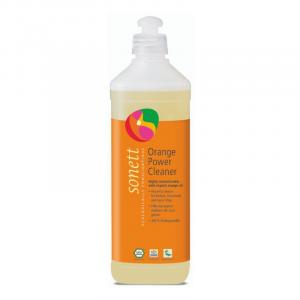
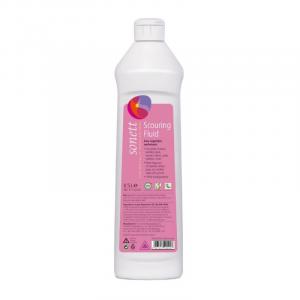
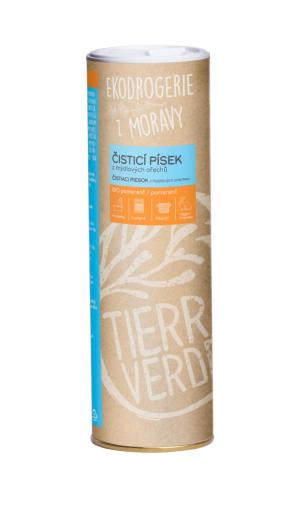
Try our natural products
How to Set Up a Daily Ten-Minute Routine
The key to success is being clear about exactly what you'll do on which day. You don't need to plan it in a complicated way – just memorize a simple rhythm. Monday can be for the sink and faucets, Tuesday for the mirror and shelves, Wednesday for the floor, Thursday for the toilet, Friday for the shower or bathtub. Then leave the weekend either free or use it for odds and ends that come up – swapping out towels, washing bathroom mats, or refilling your eco-friendly cleaning spray bottle.
It's important to have all the necessary supplies right there in the bathroom, within arm's reach. A spray bottle with an all-purpose cleaner, a microfiber cloth, a small squeegee for the mirror, and a toilet brush – that's all you need. If you first have to go to the utility closet for a bucket and cleaning products, you're much more likely to put off the cleaning. This seemingly trivial detail is actually one of the most common reasons people give up on regular mini-cleaning. The convenience and accessibility of supplies determines whether the routine sticks or not.
And this is where another aspect worth mentioning comes into play – the choice of cleaning products. When you're in contact with cleaning products every day, even if only briefly, it makes much more sense to use gentle, eco-friendly options. Harsh chemicals that don't bother you much with occasional use can take a toll on your skin, the air quality in your bathroom, and the environment when used daily. Natural cleaners based on acetic acid, baking soda, or citrus extracts handle routine daily maintenance perfectly well. Moreover – and this is key – if you clean regularly, the buildup never gets bad enough to require the "heavy artillery" of chlorine-based or strongly alkaline products.
Let's take a specific example. Markéta, a mother of two school-age children from Brno, described her experience on one of the discussion forums about eco-friendly households. For years she struggled with a bathroom shared by four people and regularly spent Saturday mornings giving it a thorough clean. When she tried the ten-minute daily cleaning system, the first two weeks it seemed pointless – the bathroom "wasn't that dirty" after all. But after a month, she realized that the Saturday cleaning marathon had completely disappeared. The bathroom simply never reached a state that required one. "I saved myself an hour a week and my nerves on top of that," she wrote. And this is exactly the paradox – you invest ten minutes a day, roughly seventy minutes a week, but you save yourself sixty to ninety minutes of weekend cleaning plus the frustration of having to force yourself to do it.
As Marie Kondo, the bestselling author on tidying, said: "Tidying is not about getting rid of things. It's about creating an environment in which you want to live." And the bathroom is a place where this philosophy resonates particularly strongly. It's the space where you start and end every day, and its condition directly affects your mood and sense of control over your own life.
Small Habits That Change Everything
Beyond the ten-minute block itself, there are several habits that will help you keep the bathroom clean almost without thinking. These are things that take literally seconds and can easily be incorporated into your regular use of the bathroom.
After every shower, for example, simply run a squeegee over the glass partition or tiles. It takes fifteen seconds and prevents the buildup of limescale, which is otherwise the biggest enemy of shower cleanliness. Similarly – after every hand wash, quickly wipe the droplets around the sink with a towel that's headed for the laundry anyway. It sounds like a small thing, but it's precisely these tiny droplets that dry and layer up that create that unpleasant film, which then takes much more time to remove.
Another useful habit is ventilation. Moisture is a breeding ground for mold, and if you don't air out the bathroom after use or turn on the exhaust fan, you're creating ideal conditions for its growth. Simply opening a window for five minutes after showering or leaving the fan running is enough. This simple step can significantly reduce the need to clean grout and corners where mold most commonly settles. According to recommendations from healthy living experts, controlling indoor humidity is one of the most effective ways to prevent mold altogether.
The organization of the space also plays a crucial role. The fewer items sitting on shelves and bathtub edges, the easier the bathroom is to clean. Every shampoo bottle, every soap dish, and every toothbrush holder is an obstacle you have to work around, pick up, wipe underneath, and put back during cleaning. Minimizing items in the bathroom is therefore not just an aesthetic matter – it's a practical step toward easier maintenance. Try keeping only what you actually use daily within reach and storing the rest in a cabinet or basket.
Incidentally, it's in this context that it also makes sense to think about the quality of the accessories you use in the bathroom. Cotton towels made from organic materials dry faster and smell less than their synthetic counterparts. Soap dispensers made from recycled materials or bamboo organizers not only look better but are often more practical and durable as well. These are small details that collectively contribute to making bathroom maintenance simpler and more pleasant.
The topic of textiles in the bathroom is also worth mentioning. Bathroom mats, shower curtains, and towels need to be washed regularly – ideally once a week. If you incorporate this into your system as a weekend ritual, you'll never end up in a situation where the mat smells or the shower curtain is covered in pink biofilm. Regular washing of bathroom textiles is something many people underestimate, yet it has an enormous impact on the overall impression of bathroom cleanliness.
Let's return once more to the practical side of the ten-minute system. One of the most common objections is "I don't have time for that." But think about it – ten minutes is less than most people spend scrolling social media on the toilet. It's less than one podcast episode. It's time you can almost always find if you decide that a clean bathroom is a priority for you. And once you get used to the routine – which, according to research on habit formation, takes approximately two to three weeks – you'll stop thinking of it as "cleaning" and start perceiving it as a natural part of your day.
Interestingly, this approach also has psychological benefits. A study published in the journal Personality and Social Psychology Bulletin showed that people living in tidy environments exhibit lower levels of cortisol, the stress hormone. A clean bathroom is therefore not just a matter of hygiene or aesthetics – it directly contributes to your mental health. And if all it takes is ten minutes a day, it's an investment that pays off many times over.
One final practical tip that holds the whole system together: be forgiving with yourself. If you skip a day, nothing catastrophic happens. The ten-minutes-a-day system is designed to be resilient to lapses. If you skip one day, the bathroom won't fall apart – you simply spend an extra minute the next day on what you missed. What matters is overall consistency, not perfection. And it's precisely this flexibility that is why this approach works long-term where rigid cleaning plans fail. A bathroom you take care of in small increments every day is a bathroom that's a joy to walk into – without a single weekend cleaning marathon.