

Protein breakfast prevents cravings throughout the day
Every morning, a quiet but fundamental battle plays out in Czech households. On one side stands the rush, fatigue, and the tempting option of skipping breakfast altogether; on the other, the awareness that one "should eat something." Most people end up reaching for a piece of bread with jam, a bowl of sugary cereal, or a croissant from the bakery by the metro station. And then they wonder why, around ten o'clock, they're already rummaging through a drawer for a biscuit and, in the afternoon, can't resist the vending machine's chocolate bar. Yet the solution to this vicious cycle is surprisingly simple, and science confirms it with ever-growing conviction: all you need to do is include a sufficient portion of protein in your morning meal.
This is no trendy diet or marketing trick by protein shake manufacturers. It's a basic physiological principle that affects blood sugar levels, the production of satiety hormones, and even how the brain responds to tempting stimuli in the form of sweets and unhealthy snacks. Let's take a look at what actually happens in the body when you start your day with a protein-rich breakfast, and why this one simple step can transform your entire eating day.
Try our natural products
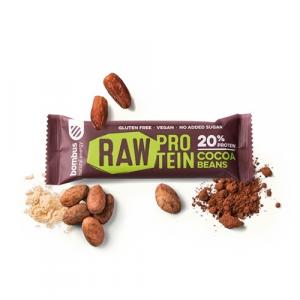
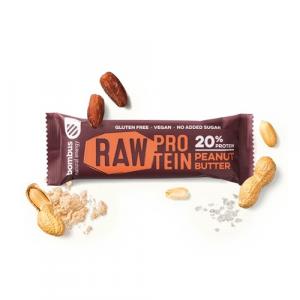
What happens in the body when breakfast lacks protein
Picture a typical Czech morning. A person gets up, makes coffee, and "handles" breakfast with two bread rolls with butter and jam. From a nutritional standpoint, they've just delivered a large dose of simple carbohydrates and fats to their body, but virtually no protein. The body responds to such a breakfast with a rapid rise in blood glucose levels, to which the pancreas replies with a massive release of insulin. Glucose is quickly absorbed into the cells, its level drops sharply, and the brain sends a clear signal: I need more energy, and I need it now. The result is hunger, cravings for sweets, and a feeling of fatigue that arrives just an hour or two after eating.
This phenomenon, technically known as reactive hypoglycemia, is nothing new. Research published in the journal The American Journal of Clinical Nutrition has repeatedly shown that a breakfast with a high glycemic index and low protein content leads to significantly greater hunger during the morning compared to a breakfast where protein makes up at least twenty to thirty percent of total energy intake. In other words, the quality of your breakfast directly determines how much you'll snack throughout the day.
Protein functions in the body in an entirely different way than carbohydrates. Its digestion is slower and more energy-demanding — the body uses roughly twenty to thirty percent of the energy contained in protein just to process it, while for carbohydrates, it's only five to ten percent. This so-called thermic effect of food means that after a protein-rich breakfast, you stay full longer, blood sugar levels remain more stable, and the brain doesn't receive panicked signals to immediately replenish energy.
Hormones also play a crucial role. Protein stimulates the release of peptide YY and GLP-1, two hormones that signal satiety to the brain. At the same time, it suppresses the production of ghrelin, the so-called "hunger hormone." This hormonal cocktail creates conditions under which a person simply doesn't feel the need to constantly nibble on something. A study conducted at the University of Missouri under the leadership of Professor Heather Leidy, published in the journal Obesity, demonstrated that teenagers who ate a breakfast high in protein (approximately 35 grams) showed significantly lower activity throughout the day in brain regions associated with food cravings compared to those who ate regular cereal or skipped breakfast entirely.
And here we arrive at one of the most interesting findings of modern nutritional science. It's not just about how much you eat in the morning, but above all about what you eat. Two meals with the same number of calories can have a completely different impact on your appetite for the rest of the day. A breakfast containing twenty-five to thirty grams of quality protein can, according to available research, reduce daily calorie intake by two hundred to four hundred kilocalories — without any conscious restriction. A person simply isn't hungry, doesn't snack, and naturally eats less.
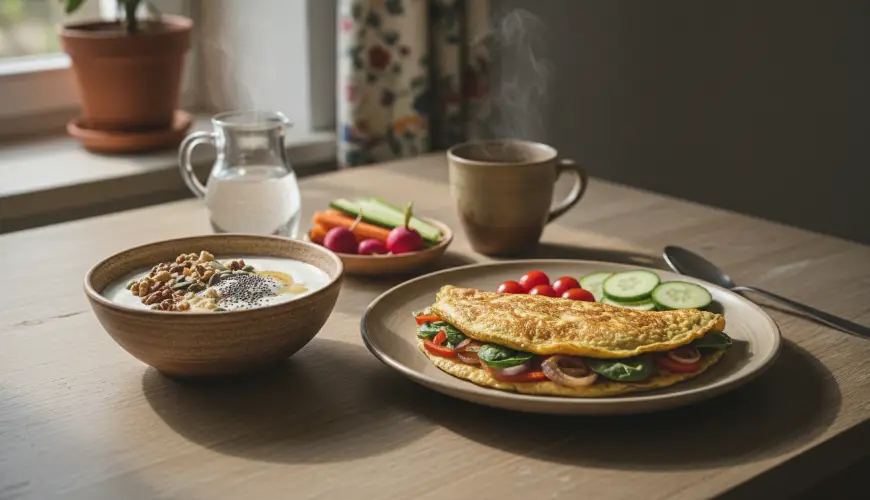
You might be thinking that this all sounds great in theory, but what does it look like in practice? Let's take a specific example. Jana, a thirty-three-year-old accountant from Brno, struggled for years with mid-morning snacking. Every day around half past ten, she'd end up at the vending machine with a bar or biscuit, in the afternoon she'd have a sweet coffee with a pastry, and by evening she felt like she'd spent the whole day just "grazing." When, on the recommendation of a nutrition consultant, she began eating Greek yogurt with nuts and seeds or a vegetable omelette for breakfast, the change came surprisingly quickly. "For the first time in years, I didn't think about food at all during the morning," she described her experience. Within a few weeks, she managed to reduce her sweet intake to a minimum without any calorie counting, and she felt more energetic as well.
Jana's story is not an isolated case. Thousands of people describe similar experiences, and the scientific literature is full of evidence that morning protein is one of the most effective tools against uncontrolled snacking. As Professor David Raubenheimer from the University of Sydney, co-author of the influential book Eat Like the Animals, noted: "The human body has a strong protein appetite. If you don't satisfy it, it will drive you to keep eating until you obtain the necessary amount of protein — and in the meantime, you'll consume a lot of excess calories from carbohydrates and fats." This concept, known as the protein leverage hypothesis, explains why people who eat a diet low in protein tend to overeat overall.
How to build a protein-rich breakfast that tastes good and works
The good news is that a protein-rich breakfast doesn't have to mean eating six boiled eggs every day or drinking protein shakes. There's a whole range of options, and most of them are surprisingly simple, tasty, and affordable. The key is to achieve at least twenty grams of protein in your morning meal, which is the amount most studies identify as the minimum threshold for a significant effect on satiety.
Tried-and-tested options include, for example, a cottage cheese bowl with fresh fruit and a spoonful of flaxseeds, which easily provides twenty-five grams of protein. Also popular is an omelette made from two to three eggs with vegetables and a piece of quality cheese, or oatmeal prepared with milk and enriched with a spoonful of peanut butter or a handful of almonds. For those who don't have time to cook in the morning, the solution can be Greek yogurt with a high protein content — available today in most supermarkets — topped with nuts or seeds. And if someone prefers a savory breakfast, wholegrain bread with salmon, cottage cheese, or hummus works excellently.
It's important to mention that protein quality matters. Complete proteins containing all essential amino acids — that is, those from eggs, dairy products, fish, poultry, or a combination of legumes with grains — have a greater impact on satiety than incomplete plant-based sources consumed in isolation. This doesn't mean that a plant-based diet can't be protein-rich; it just requires a bit more thought in combining sources. For example, pairing oats with pea protein or tofu with wholegrain bread creates a complete amino acid profile comparable to animal sources.
It's also interesting how a protein-rich breakfast influences food choices for the rest of the day. Research published in the International Journal of Obesity showed that people who ate a protein-rich breakfast in the morning spontaneously chose healthier options at lunch and dinner as well. It was as if the right decision in the morning triggered a positive domino effect that influenced the entire eating day. Psychologists call this the "anchoring effect" — the first meal of the day sets a kind of standard that a person then subconsciously adheres to.
Of course, it would be naive to claim that a protein-rich breakfast alone will solve all problems with overeating or snacking. Other factors play a role as well — sleep quality, stress levels, overall diet composition, and physical activity habits. However, breakfast is precisely the point where a person has the greatest control over their diet. A morning when you consciously prepare a balanced meal is much easier to manage than the moment when, at half past three in the afternoon, you're standing exhausted in front of a vending machine and your brain is screaming for quick energy.
It's also worth mentioning what the data say about Czech eating habits. According to surveys by the State Health Institute, a significant portion of the Czech population eats an inadequate breakfast or skips it entirely. At the same time, the Czech Republic is among the countries with high consumption of sweets and sugary drinks. The connection between these two facts may not be straightforward, but nutritional research suggests it is much closer than it might appear at first glance. When the body doesn't get what it needs in the morning, it spends the whole day trying to catch up — and usually not in particularly healthy ways.
So if you're looking for one single habit that could fundamentally change your relationship with food throughout the day, try consistently eating a breakfast with at least twenty grams of protein for two weeks. You don't need to change anything else, count calories, or cut out any foods. Simply adjust your breakfast and observe what happens. Most people who try this experiment are surprised by how significant a difference such a small change brings. Hunger arrives later, cravings for sweets weaken, and the feeling of control over your own diet grows. And that's ultimately what this is all about — not a perfect diet, but a sustainable habit that works day after day, morning after morning, without unnecessary overthinking and without guilt at the vending machine in the hallway.