

# How to Eat Light in Summer and Still Feel Full
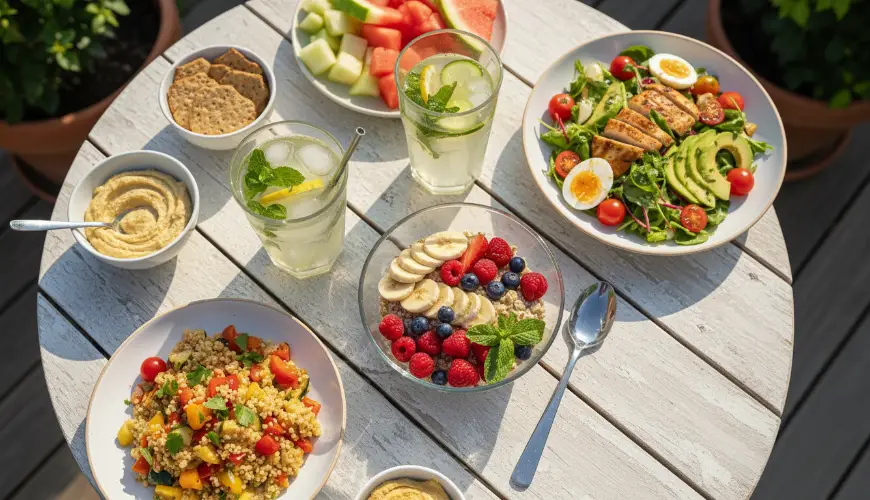
Summer heat can be merciless not only to our mood, but especially to our digestion. One hearty lunch full of heavy sauces and fried foods is all it takes, and instead of an afternoon full of energy, you find yourself crawling to the couch feeling like you've swallowed a brick. Yet summer is precisely the time when the body naturally has less appetite for heavy meals and instead craves lightness, freshness, and hydration. So how should you eat in summer to avoid feeling weighed down, while still staying full and energized throughout the day?
The answer lies neither in drastic diets nor in living on salads all summer long. It's more about understanding how the body works in the heat and making smart ingredient combinations that satisfy without burdening the digestive system. And that's exactly what this entire article is about – practical tips, simple recipes, and a bit of science to help you get through summer with ease.
Try our natural products




Why we digest worse in the heat and what to do about it
When temperatures rise above thirty degrees, the body redirects blood from internal organs closer to the skin's surface to cool down more efficiently. This means the digestive system receives less blood and therefore works more slowly. According to Harvard Medical School, heat also increases the risk of inflammation in the body, which can complicate digestion even further. The result? After a heavy meal, you feel bloated, tired, and drained of energy.
That's precisely why it's so important in summer to choose light food that satisfies without weighing you down. This doesn't mean eating less – it means eating smarter. The key is a combination of quality proteins, healthy fats, and plenty of fiber, ideally in dishes that don't require long cooking sessions in front of a scorching oven. Think of it as switching from a heavy winter coat to light linen clothing – the function stays the same, but the feeling is completely different.
One of the most common misconceptions is the idea that only a large portion or a heavy side dish like dumplings or fries can provide satiety. In reality, satiety is influenced much more by the composition of food than its volume. Proteins and fiber keep blood sugar levels stable and prolong the feeling of fullness, while simple carbohydrates (white bread, sweets, sugary drinks) cause rapid energy spikes followed by fatigue and returning hunger. In summer, it's therefore ideal to reach for legumes, whole grains, eggs, fish, tofu, or quality dairy products and combine them with fresh vegetables and fruits, which are abundantly available on store shelves and in gardens during this time.
Hydration plays a role that many people underestimate. When the body is dehydrated, it often sends signals that the brain mistakenly interprets as hunger. People then unnecessarily reach for a snack when a large glass of water with a slice of lemon or cucumber would suffice. Proper fluid intake is the foundation of good digestion in summer – and it doesn't have to be just plain water. Herbal teas served cold, homemade lemonades without added sugar, or water infused with fresh mint and forest berries can turn hydration into a pleasant ritual.
The effect of food temperature on digestion is also interesting. While a warming soup heats us from the inside in winter, hot food in summer can burden the body even more because the organism has to expend energy to cool down. This doesn't mean you should eat exclusively cold foods – lukewarm dishes are actually the ideal compromise. Pasta mixed with fresh vegetables and a light dressing, warm couscous with roasted peppers, or a quinoa salad with avocado and cherry tomatoes – these are all examples of dishes that are quick to prepare, attractive on the plate, and gentle on the stomach.
As the famous British cook Nigella Lawson once said: "Food should be a joy, not a duty." And in summer, this is doubly true. Those who simplify their cooking on a sweltering afternoon will enjoy it much more.
But let's look at specific tips and recipes that will help you handle summer eating with confidence. You don't need to be a culinary master – most of these dishes can be prepared in fifteen minutes and are truly manageable for anyone.
Practical tips and recipes for light summer meals
Let's start with breakfast, which is the foundation of the entire day. In summer, it's tempting to skip breakfast altogether because you're not hungry yet in the morning, but that's a trap. When you skip breakfast, the body will claim its hunger later – usually in the form of overeating at lunch or endless snacking throughout the afternoon. The ideal summer breakfast is overnight oatmeal, meaning oats soaked overnight in yogurt or plant-based milk. In the morning, just add fresh fruit, a spoonful of honey, and a handful of nuts. The result is creamy, fresh, full of fiber and protein – and most importantly, requires no cooking. Those who prefer a savory option can try whole-grain toast with avocado, cherry tomatoes, and a soft-boiled egg. The combination of healthy fats from avocado and protein from the egg will keep you satisfied for a good three to four hours.
For lunch, a simple rule applies: the more colors on the plate, the better. The colors of vegetables and fruits correspond to different types of antioxidants and vitamins, so a colorful plate is automatically nutritionally rich as well. One of the most popular summer lunches in the Mediterranean is the so-called "grain bowl" – a bowl with some type of grain as a base, supplemented with vegetables, protein, and dressing. For example: cook quinoa or bulgur, add chopped cucumber, bell pepper, red onion, canned chickpeas (rinsed), diced feta cheese, and drizzle with a dressing of olive oil, lemon, and oregano. The entire preparation takes about ten minutes and the result is filling, light, and incredibly delicious. Plus, such a bowl can easily be taken to work in a container.
For those who love pasta, there's a great summer trick: cook the pasta, drain it, rinse with cold water, and mix with olive oil, cherry tomatoes cut in half, fresh basil, mozzarella, and a splash of balsamic vinegar. This Italian classic known as "pasta fredda" is a completely standard summer lunch in Italy and is proof that simplicity and quality ingredients are the best combination. Those who want to add more protein can toss in sliced grilled chicken breast or tuna.
Snacks are more important in summer than many people think. Instead of three large meals, it's often more pleasant in the heat to eat five smaller portions throughout the day. Great summer snacks include:
- Greek yogurt with honey and walnuts
- hummus with raw carrot and celery sticks
- a smoothie made from banana, spinach, mango, and coconut milk
- watermelon slices with feta cheese and fresh mint
- edamame beans sprinkled with sea salt
Each of these snacks offers a combination of nutrients that will keep energy levels stable and prevent that unpleasant afternoon slump that practically everyone experiences in summer.
And what about dinner? Here the rule is: the simpler, the better. The body is preparing for sleep at night, and a heavy dinner can cause not only uncomfortable digestion but also poor-quality sleep. An ideal summer dinner might be a large bowl salad with grilled halloumi cheese, roasted sweet potatoes, and tahini dressing. Or gazpacho – a cold Spanish tomato soup that is essentially just blended tomatoes, cucumber, bell pepper, garlic, olive oil, and a splash of vinegar. It's served ice-cold and is literally liquid refreshment. Those who have never tried gazpacho may be surprised at how bold and full a flavor emerges from such simple ingredients.
Grilling is a chapter of its own, inseparable from summer. But here too, it can be done in a lighter and healthier way. Instead of fatty sausages and marinated ribs, try grilling fish – such as a whole trout stuffed with lemon slices and herbs, or salmon fillets marinated in soy sauce with ginger. Grilled vegetables are another revelation – zucchini, peppers, corn, eggplant, or even romaine lettuce briefly seared on the grill take on an amazing smoky flavor that is absolutely addictive. Add homemade tzatziki made from Greek yogurt, grated cucumber, and garlic, and you have a light summer feast after which no one will feel overstuffed.
It's also worth mentioning the important role that herbs and spices play in summer. Fresh basil, mint, cilantro, parsley, or chives can transform even the simplest dish into a culinary experience, and they also have numerous health benefits – from supporting digestion to anti-inflammatory effects. According to research published in the Journal of Nutrition, fresh herbs have a significantly higher antioxidant content than most common vegetables, so adding them to food makes sense not only for flavor but also for health.
One specific story to illustrate: Markéta from Brno, a mother of two small children, struggled every summer with the fact that her family refused "normal" cooked meals and everyone reached for ice cream and sugary lemonades. Last year, she tried the "summer bowl kitchen" approach – every day she prepared one large bowl with a different base (couscous, rice, quinoa, pasta), alongside which she placed several small bowls of chopped vegetables, cheese, legumes, and various dressings on the table. Each family member mixed their own combination. The kids enjoyed it because they could choose, and Markéta saved time and nerves. "Suddenly we were eating more vegetables than ever before and nobody complained about a heavy stomach," she described her experience.
This approach actually reflects what nutrition experts have been recommending for years – variety, simplicity, and joy in food. In summer, we have the best conditions for this. Fresh local ingredients are more accessible and cheaper than at other times at farmers' markets and in stores, days are long and pleasant for preparing food outdoors, and taste buds naturally gravitate toward lighter and fresher dishes.
If you're looking for inspiration for healthier summer eating or quality products to help you with that – from natural foods to eco-friendly supplements to sustainable kitchen supplies – it's worth checking out the offerings at Ferwer eshop, which focuses specifically on products for a healthy lifestyle and an ecological household.
Summer is short and too precious to spend with a heavy stomach and a feeling of fatigue. Just a few simple changes in what and how we eat, and the entire summer can be noticeably more pleasant. After all, anyone who tries a light Mediterranean bowl instead of a fried schnitzel on a sweltering August afternoon will probably not return to the schnitzel until the first autumn fogs arrive. And that's perfectly fine.