

# Essential oils in the household help with cleaning and relaxation
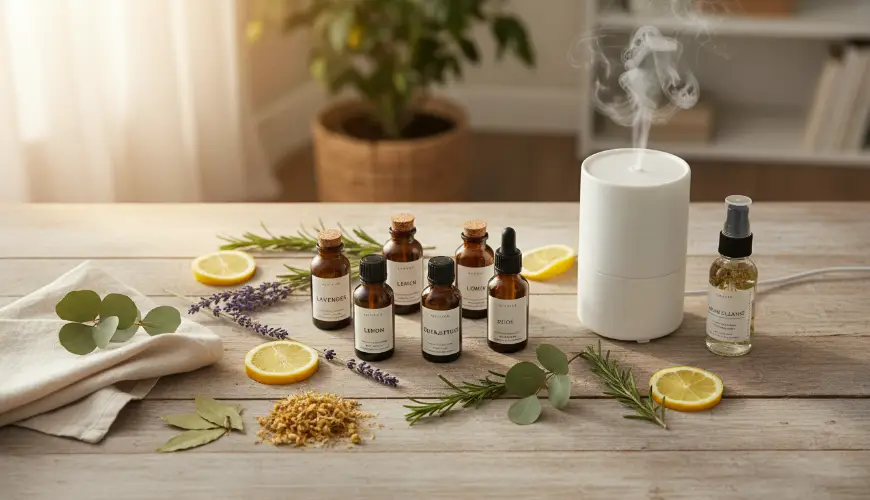
When people hear essential oils, most imagine scented candles, relaxing baths, or massages. But these concentrated plant essences can do much more than just smell pleasant. In recent years, more and more households have been turning to essential oils as universal helpers – from aromatherapy and eco-friendly cleaning to insect protection. And it is precisely this versatility that makes them some of the most interesting natural products deserving a place in every household.
The story of essential oils reaches thousands of years into the past. Ancient Egyptians used cedar and myrrh oil in embalming, Greek physicians prescribed lavender for headaches, and medieval herbalists mixed blends against the plague. Today, in an era of growing interest in a sustainable and healthy lifestyle, we are returning to this traditional knowledge – this time supported by modern scientific research.
So what exactly are essential oils? They are highly concentrated volatile compounds obtained from plants, most commonly through steam distillation or cold pressing. A single milliliter of oil can contain active substances from several kilograms of plant material. It is precisely this concentration that gives them such powerful properties – whether it's fragrance, antimicrobial effects, or the ability to repel insects. However, it's important to realize that because of this potency, they need to be treated with respect and properly diluted, never applied pure directly to the skin, and some of them should be kept out of reach of children and pets.
Try our natural products
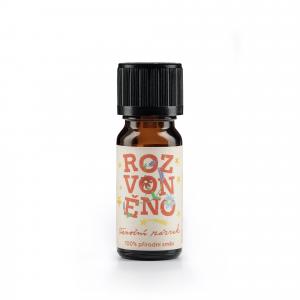
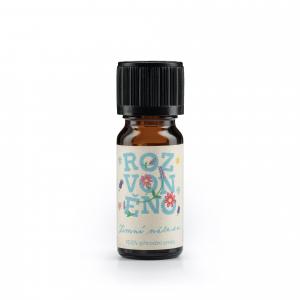
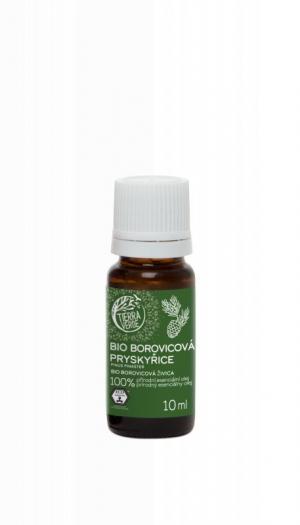
Aromatherapy as the foundation of well-being at home
Aromatherapy is one of the best-known ways to use essential oils, and its popularity continues to grow. It's not just about a pleasant scent in the living room. A number of studies suggest that inhaling certain essential oils can have a measurable effect on mood, sleep quality, and stress levels. For example, research published in the journal Evidence-Based Complementary and Alternative Medicine showed that lavender oil can reduce cortisol levels – the stress hormone – and promote relaxation. Similar effects are also attributed to Roman chamomile and ylang-ylang.
The practical use of aromatherapy at home is surprisingly simple. All you need is a diffuser to which you add a few drops of the chosen oil and water. The diffuser disperses a fine mist into the room, and within moments the entire space is filled with a pleasant fragrance. For a morning boost, citrus oils work wonderfully – orange, grapefruit, or lemon provide energy and help kick-start the day. In the evening, calming scents like lavender, cedar, or vetiver come into play, preparing both body and mind for rest.
It's fascinating how much fragrance can influence the atmosphere of a home. Imagine, for example, a family with small children where evenings tend to be hectic – bathing, putting the kids to bed, reading bedtime stories. One mother from Brno described on a parenting forum how introducing a simple ritual with lavender in a diffuser in the children's room helped her kids fall asleep faster. Of course, it's not a miracle cure and every child is different, but it's precisely these small rituals that can contribute to an overall calming of the household. It should be noted, however, that with small children under three, one needs to be careful with essential oils – not all oils are safe for them, and the diffuser should run only for a short time in a well-ventilated room.
Aromatherapy can also be combined with other relaxation techniques. A few drops of eucalyptus oil in a bowl of hot water during steam inhalation can help clear the airways during a cold. Rosemary, according to some research, supports concentration and memory – an ideal companion for the home office. As the famous French chemist René-Maurice Gattefossé, considered the father of modern aromatherapy, wrote: "Essential oils are to plants what blood is to humans – they carry within them the life force."
The transition from aromatherapy to more practical uses of oils is entirely natural. Once someone discovers how pleasant a home smells with a diffuser, they start wondering – couldn't these same oils be used for cleaning too?
The answer is a definitive yes. Essential oils in the household find applications far beyond the boundaries of aromatherapy. One of the most practical uses is eco-friendly cleaning. Conventional cleaning products often contain synthetic fragrances, phosphates, chlorine, and other chemicals that can irritate the skin and airways and burden the environment. Essential oils offer a natural alternative that is gentle on both health and the planet.
The basis of a homemade cleaning product is typically a mixture of water, white vinegar or baking soda, and a few drops of essential oil. Tea tree oil is the absolute number one in this regard. Its antimicrobial properties are well documented – a study published in the journal Clinical Microbiology Reviews confirmed its effectiveness against a broad spectrum of bacteria and fungi. Simply add ten drops of tea tree oil to a spray bottle with water and a bit of vinegar, and you have a universal cleaning product for kitchen counters, the bathroom, and floors.
Lemon oil is another popular cleaning helper. Not only does it smell wonderful and leave a feeling of freshness, but its degreasing abilities are surprisingly effective. A few drops on a cloth help remove sticky residues, grease on the stovetop, or fingerprints on stainless steel surfaces. Eucalyptus oil works excellently for removing mold in the bathroom – just add it to a mixture with baking soda to create a natural paste that can handle even discolored grout.
For those who want to go even further, there's the option of making homemade laundry detergent with the addition of lavender or orange oil. Laundry then smells natural and without synthetic perfumes, which can trigger allergic reactions in more sensitive individuals. And this is where the beauty of essential oils shows – one product, multiple uses, no unnecessary plastic packaging from commercial cleaners.
A natural repellent that actually works
When summer arrives, so does the eternal battle with mosquitoes, ticks, and other insects. Commercial repellents with DEET are effective, but many people seek a gentler alternative – whether because of children, sensitive skin, or simply because they're uncomfortable with the idea of applying synthetic chemicals to their body. And this is where essential oils shine once again.
Citronella oil is probably the best-known natural repellent. According to the U.S. Environmental Protection Agency (EPA), citronella is a registered biopesticide with proven effectiveness against mosquitoes. Its protection doesn't last as long as synthetic products – usually around one to two hours – but with regular application, it provides sufficient protection for ordinary outdoor activities.
Besides citronella, other oils have also proven effective as repellents. Lemon eucalyptus (Corymbia citriodora) contains the substance p-menthane-3,8-diol, which even the U.S. Centers for Disease Control and Prevention (CDC) recommends as an effective alternative to DEET. Lavender repels moths and mosquitoes, peppermint deters ants and spiders, and clove oil is effective against ticks. By combining several oils, you can create a blend that covers a broad spectrum of unwanted insects.
A practical recipe for a homemade repellent spray is simple: add twenty drops of an essential oil blend to one hundred milliliters of water or hydrosols – for example, ten drops of citronella, five drops of lemon eucalyptus, and five drops of lavender. Add a teaspoon of carrier oil (such as jojoba) as an emulsifier and pour the mixture into a spray bottle. Shake before each use. Such a spray can be used on the skin and on clothing, and making it costs a fraction of the price of commercial products.
Essential oils as repellents don't have to be used only directly on the body. A few drops of citronella or eucalyptus on a cotton band around the wrist, a scented candle with added repellent oils on the terrace, or infused cotton pads by the windows – there are many ways to keep insects at bay naturally.
However, it's important to remain realistic. Natural repellents have their limits. In areas with a high risk of insect-borne disease transmission (for example, in tropical destinations), it's wiser to reach for proven synthetic products. But for a typical Czech summer, a barbecue in the garden, or a walk in the forest, essential oils represent a pleasant and functional choice.
The entire philosophy of using essential oils at home ultimately rests on one simple principle – less is more. Instead of dozens of specialized products in plastic packaging, a few quality essential oils are enough to cover needs from relaxation through cleaning to insect protection. It's an approach that saves money, reduces the ecological footprint, and at the same time brings a touch of nature into the home.
When choosing essential oils, it pays to invest in quality. Look for oils labeled as one hundred percent pure, preferably in organic quality, with the Latin name of the plant and country of origin listed. Cheap oils from unverified sources may be diluted with synthetic fragrances that not only have no beneficial effects but can even be harmful. Trustworthy sellers usually also state the extraction method and certifications.
Essential oils are neither a trendy novelty nor an alternative fad. They are centuries-proven plant essences that modern science is gradually confirming, and whose practical use in the household is nearly unlimited. Whether you're looking for a way to relieve stress after a demanding day, clean the kitchen without chemicals, or sit peacefully on the terrace without annoying mosquitoes – chances are high that you'll find the answer in a small bottle of essential oil.