

# Why Do Mouth Ulcers Keep Coming Back and How to Fight Them ## What Are Mouth Ulcers? Mouth ulcer

A small white sore on the inside of the cheek, under the tongue, or on the gum – and suddenly every meal, swallow, and word becomes an unpleasant ordeal. Canker sores are among the most common minor oral health complaints, and while they are not dangerous in themselves, they can significantly reduce the quality of everyday life. What is truly frustrating, however, is their tendency to return again and again – sometimes at regular intervals, as if they have quite literally taken up permanent residence in your mouth.
The exact cause of canker sores has not yet been fully explained, but science has accumulated enough knowledge over the past few decades to identify the key triggers and risk factors. Understanding these mechanisms is, in fact, the first and most important step towards effectively protecting yourself against recurring canker sores.
Try our natural products
What canker sores actually are and why they develop
Canker sores, medically known as recurrent aphthous stomatitis, are small, painful ulcers on the oral mucosa. Unlike cold sores, they are not caused by a virus and are not contagious. They typically have a round or oval shape, a white or yellowish centre, and a red border. Most of them disappear on their own within one to two weeks, but in some people they return so frequently that one has barely healed before another begins to form.
They arise from a local inflammatory response of the mucosa, which can be triggered by a wide range of stimuli. One of the most common is mechanical injury – biting the inside of the cheek, using a toothbrush that is too hard, or the sharp edge of a broken tooth. The oral mucosa is very sensitive, and even minor injury can trigger the formation of a canker sore in susceptible individuals. Aggressive toothpastes containing sodium lauryl sulphate, a surfactant that in some people disrupts the protective layer of the mucosa, have a similar effect.
Another key factor is the state of the immune system. It is no coincidence that canker sores very often appear during periods of stress, exhaustion, or following illness – that is, at times when the body is weakened and its defence mechanisms are operating at a reduced capacity. Research suggests that in people who suffer from recurrent canker sores, dysregulation of the immune response plays a role, in which the body essentially attacks the cells of the mucosa. This mechanism is similar to autoimmune processes, even though canker sores as such are not classified as an autoimmune disease.
Nutrition and a deficiency of certain micronutrients also play a considerable role. Studies published in the specialist journal Journal of Oral Pathology & Medicine repeatedly point to a connection between deficiency in vitamin B12, folic acid, iron, and zinc and an increased frequency of canker sores. This finding is particularly important for people following a plant-based diet, who must pay special attention to supplementing vitamin B12 through supplements.
Why canker sores recur – triggers you may not be aware of
A one-off canker sore is an inconvenience. Canker sores that return every few weeks, or even appear simultaneously in multiple locations, are a signal that something in the body or lifestyle is not functioning as it should. Consider Markéta, a thirty-five-year-old teacher who has suffered from canker sores almost continuously since her student days. They always worsened during exam periods or before important parent-teacher meetings. It was only when she began systematically managing her stress and adjusted her diet that the frequency of her canker sores decreased significantly. Her story is not exceptional – many people are simply unaware of the direct connection between psychological strain and the state of the oral cavity.
Chronic stress is one of the most significant and at the same time most underestimated triggers of recurring canker sores. Cortisol and other stress hormones suppress the immune function of the mucous membranes and disrupt the balance of the microbial environment in the mouth. The result is greater tissue vulnerability and a reduced capacity for regeneration. As American immunologist Esther Sternberg aptly noted: "The brain and the immune system are in constant dialogue – and stress disrupts this dialogue in ways that manifest even in the smallest details of our health."
Beyond stress, there are a number of other triggers worth noting. Certain foods demonstrably increase the risk of canker sores in sensitive individuals. These include in particular acidic fruits and vegetables (citrus fruits, tomatoes, pineapple), spicy foods, chocolate, coffee, and nuts. The mechanism is not the same for all foods – acidic foods directly irritate the mucosa, while others likely trigger an immune response through food sensitivity.
Hormonal changes are another factor that plays a role particularly in women. Many notice that canker sores regularly appear at a certain phase of the menstrual cycle, typically just before menstruation, when levels of oestrogen and progesterone drop. A similar pattern can also occur during pregnancy or when using hormonal contraception. This hormonal dimension tends to be overlooked in everyday practice, even though it may be the key to understanding an individual's pattern of recurring canker sores.
Genetic predisposition cannot be overlooked either. If parents suffer from canker sores, the likelihood of them recurring in their children is significantly higher than in the general population. Research shows that in individuals with a positive family history, the risk of developing recurrent aphthous stomatitis may be up to four times higher. This does not mean, however, that canker sores cannot be prevented – genetic predisposition merely increases sensitivity to triggers, which are largely within one's control.
A separate matter is canker sores as a symptom of another condition. Recurring canker sores can be one of the signs of coeliac disease, Crohn's disease, Behçet's disease, or immunodeficiency disorders. If canker sores occur very frequently, are unusually large or painful, or are accompanied by other symptoms such as fatigue, diarrhoea, or skin problems, it is always advisable to see a doctor and undergo examination. The Czech Society for Oral Medicine recommends seeking specialist help particularly when canker sores last longer than three weeks or recur more than three times a year.
How to prevent canker sores and support natural healing
Prevention of recurring canker sores rests on several pillars that complement and reinforce one another. It is not about one miraculous method, but about a comprehensive approach encompassing nutritional care, stress management, proper oral hygiene, and conscious monitoring of one's own triggers.
The first step is adjusting the diet with a focus on addressing any nutritional deficiencies. Vitamin B12 occurs naturally primarily in animal products, so vegetarians and vegans should regularly monitor their blood levels and, if necessary, reach for a quality dietary supplement. Folic acid is found in leafy vegetables, legumes, and whole grains. Zinc and iron can be supplemented through pumpkin seeds, quinoa, lentils, or fortified foods. A comprehensive multivitamin preparation can be a practical solution for those who have difficulty covering all micronutrients through diet alone.
Just as important as what we eat is what we avoid. Keeping a simple food diary, in which you record what you ate and when a canker sore appeared, can reveal surprising patterns within a few weeks. It often turns out that a specific food – such as walnuts or strong coffee – consistently precedes the appearance of a canker sore by one to two days.
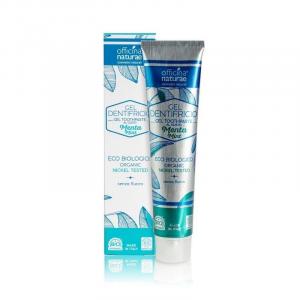
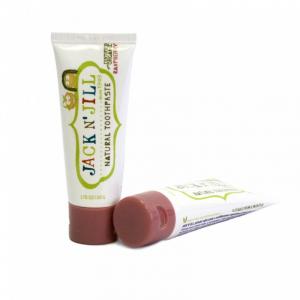
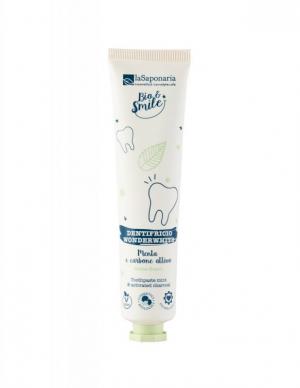
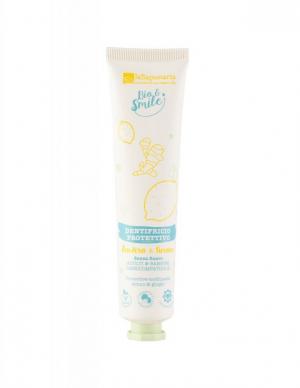
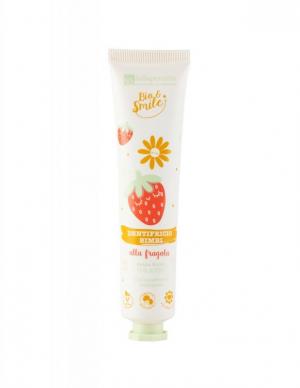
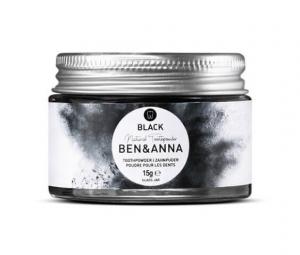
When it comes to oral hygiene, it is recommended to switch to a toothpaste free of sodium lauryl sulphate (SLS). This detergent, which creates foam and is found in most conventional toothpastes, can damage the protective layer of the mucosa in sensitive individuals, thereby facilitating the formation of canker sores. Switching to an SLS-free toothpaste is one of the simplest and most affordable interventions, and for many people it brings noticeable improvement. Similarly, it is worth investing in a soft toothbrush and paying attention to brushing technique to avoid micro-trauma to the mucosa.
Stress management is an area that deserves the same attention as nutrition. Regular exercise, sufficient sleep, meditation, or even just a daily walk in nature – all of these have a demonstrably positive effect on immune function and therefore on the frequency of canker sores. Research published in the journal Psychoneuroendocrinology shows that people with better stress management strategies have lower levels of inflammatory markers in the blood, which also has a beneficial effect on the condition of the mucous membranes.
When a canker sore does develop, there are several natural ways to support its healing and relieve pain. Rinsing the mouth with a salt water solution or chamomile tea has anti-inflammatory and antiseptic effects. Honey, especially manuka honey with a high antimicrobial activity index, can be applied directly to the canker sore and, thanks to its antibacterial properties, helps promote healing. Aloe vera gel is another natural remedy with proven anti-inflammatory effects, and its application to the affected mucosa provides pain relief.
- Vitamin B12, folic acid, zinc, and iron – regularly check levels and supplement through diet or supplements
- SLS-free toothpaste – reduces the risk of mucosal irritation
- Food diary – helps identify individual triggers
- Stress management techniques – yoga, meditation, regular exercise
- Natural healing remedies – sea salt, chamomile, manuka honey, aloe vera
It is also important not to underestimate the role of hydration. A dry oral environment is less resistant to irritation and infection. Adequate fluid intake – ideally plain water – keeps the mucosa moist and supports its natural defences. People who breathe through their mouths, for example due to chronic rhinitis or enlarged adenoids, are more susceptible to canker sores precisely because their oral mucosa tends to be chronically dry.
Canker sores may be a minor matter compared to many other health problems, but their recurrence can be a signal from the body that something in one's overall lifestyle or health is calling for attention. Listening to these signals, identifying individual patterns, and responding to them with thoughtful changes – this is an approach that pays off in the long run, not only in the fight against canker sores, but for health in general.