

Natural birth or cesarean section doesn't have to be a dilemma
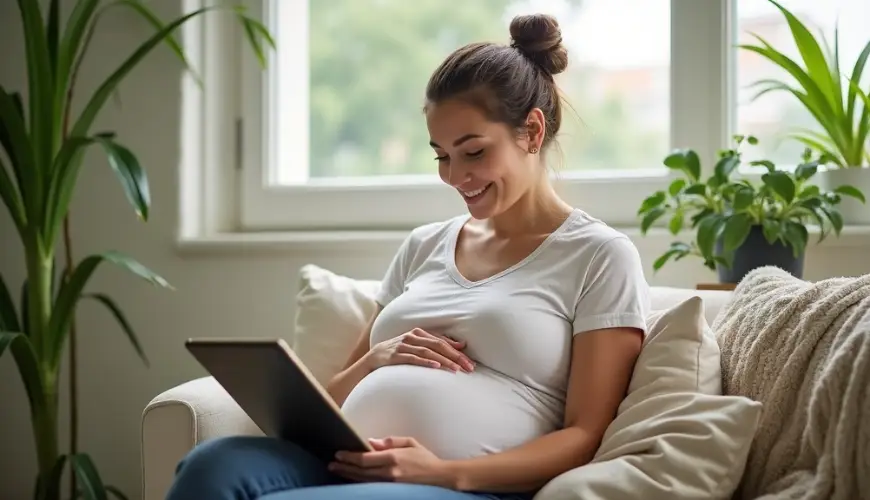
Making decisions about the method of delivery is one of the most intimate and at the same time most debated topics that expectant parents encounter. From the very first weeks of pregnancy, women are bombarded with information from all directions – from doctors, midwives, friends, mothers, grandmothers, and of course from the internet. Some swear by natural birth as the only right way, while others consider a planned caesarean section a safer and more predictable option. The truth, however, is that there is no universally correct answer. Every pregnancy is different, every woman has a different body, different health conditions, and different life experiences. And that is precisely why it is worth looking at the whole issue calmly, without pressure, and with sufficient information.
One of the biggest problems expectant mothers face is the feeling that they must make the "right" decision – and that there is only one right choice. Social media and discussion forums are often full of categorical statements. Advocates of natural birth sometimes present a caesarean section as a failure, while proponents of planned operative delivery may portray natural birth as an unnecessary risk. Both are distortions of reality. The World Health Organization has long pointed out that a caesarean section is a life-saving procedure with clear medical indications, but at the same time it should not be performed without reason, because like any surgery it carries its own specific risks. According to WHO data, caesarean section rates are increasing worldwide, exceeding 40% in some countries, while the ideal rate is estimated at around 10–15%.
In the Czech Republic, the proportion of caesarean sections is approximately 25–28% of all deliveries, which corresponds to the European average. This means that roughly every fourth woman gives birth operatively. Some of these sections are planned in advance based on medical indications – for example, in the case of breech presentation, placenta praevia, a previous caesarean section, or other complications. Another portion, however, is the result of acute situations that arise during an ongoing labour. And then there is also a group of women who choose a planned caesarean section after careful consideration of their options, without having a strict medical reason. And this is precisely where the most sensitive debate begins.
Natural birth – that is, vaginal delivery, ideally with minimal interventions – has a number of well-documented advantages. A woman's body is biologically prepared for this process, and in ideal cases it recovers faster than after abdominal surgery. A newborn who passes through the birth canal is exposed to beneficial bacteria that colonise its intestines and lay the foundation for a healthy microbiome. Studies published in the scientific journal Nature Reviews Microbiology confirm that the mode of delivery has a measurable impact on the composition of the infant's gut microflora in the first months of life. The hormonal cascade triggered during natural birth – primarily oxytocin and endorphins – also supports the establishment of the first bond between mother and child and facilitates the onset of breastfeeding. Shorter hospitalisation and a quicker return to everyday activities are additional practical advantages that women frequently mention.
On the other hand, it is important to say frankly that natural birth is no walk in the park. It can be painful, exhausting, and unpredictable. There is a risk of birth injury, prolonged labour, or a situation where an emergency caesarean section is ultimately necessary anyway – and that tends to be harder on the body than a planned section. Some women have a legitimate fear of childbirth, whether based on a previous negative experience, trauma, or simply because it represents an enormous unknown for them. Tokophobia – that is, a pathological fear of childbirth – is experienced by an estimated 6–10% of pregnant women, and it is certainly not something that can be dismissed with words like "you'll manage" or "women have been giving birth since the beginning of time".
Try our natural products
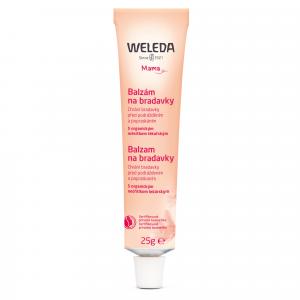


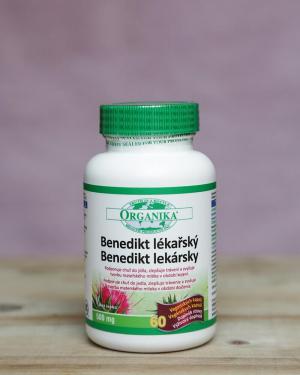
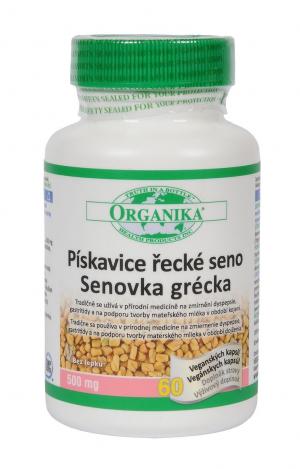
When a planned caesarean section is justified
A planned caesarean section is in many cases clearly the safest choice. If the baby is in a transverse position, if placenta praevia has been diagnosed, if the woman has undergone certain uterine surgeries, or if there are serious health complications on the part of the mother or foetus, operative delivery is simply a necessity. In these situations, there is nothing to debate, and no woman should feel guilty for not having "given birth naturally".
The situation is more complex where the medical indication is not so clear-cut. For example, after a previous caesarean section, vaginal delivery is possible in many cases – this is called VBAC (vaginal birth after caesarean) – but it depends on a number of factors, including the type of previous incision, the reason it was performed, and the woman's overall health. Some maternity hospitals actively support VBAC, while others approach it more cautiously. In such a situation, the woman should have access to balanced information and the opportunity to consult her case with a specialist who will explain the specific risks and benefits of both options.
And then there is the question of the so-called elective caesarean section – that is, a situation where the woman chooses operative delivery herself, without a direct medical indication. In some countries, this is common practice; in others, it is viewed with distrust. In the Czech Republic, a woman does not have a formal legal entitlement to a caesarean section "on request", but in practice many doctors respect this choice if the woman is sufficiently informed and the decision is made after thorough consultation. The reasons can vary – from the aforementioned tokophobia to a previous traumatic experience to personal preferences. What matters is that the decision is not the result of pressure from any side.
It is precisely pressure – whether towards natural birth or conversely towards a caesarean section – that is something that should be prevented. A woman who feels pushed into a decision cannot feel safe, and a sense of safety is one of the key factors in a smooth delivery. As the legendary midwife Ina May Gaskin beautifully summarised: "If a woman cannot feel safe, her body cannot fully cooperate." And this applies regardless of the way she ultimately gives birth.
Let us imagine a specific story. Tereza, a first-time mother at thirty-two, had a clear vision from the beginning of her pregnancy – she wanted to give birth naturally, ideally in a birth centre with a midwife. She prepared for the birth using hypnobirthing, exercised on a ball, and attended antenatal classes. But in the 36th week, an ultrasound showed that the baby was in a breech position. Tereza tried an external cephalic version, but without success. After lengthy conversations with her doctor and her midwife, she ultimately decided on a planned caesarean section. She experienced sadness that the birth would not be what she had envisioned, but at the same time she felt relief that she had a plan she trusted. Her son was born calmly, without complications, and to this day Tereza says that the most important thing was that she could decide for herself and in peace. No judgement, no sense of failure.
This story illustrates something fundamental – planning for birth is important, but equally important is the ability to adapt to changing circumstances. A birth plan is not a contract; it is more like a compass. It sets the direction but accounts for the possibility that the path may lead somewhere different than originally expected.
How to decide without pressure
The first step is access to high-quality and balanced information. Not from discussion forums where anonymous users compete in horror stories, but from verified sources. The Czech Institute for Breastfeeding and Maternity Support, professional guidelines from the Czech Society of Obstetrics and Gynaecology, as well as international sources such as the American College of Obstetricians and Gynecologists (ACOG) or the already mentioned WHO offer comprehensible evidence-based information.
The second step is to find a care provider whom the woman trusts. Whether it is an obstetrician, a midwife, or a combination of both – the key is that the woman feels heard and respected. If she feels that her doctor is pushing her towards a decision she does not identify with, she has every right to seek a second opinion. This is not a sign of distrust but of healthy responsibility.
The third and perhaps most important step is an honest conversation with oneself. What is my priority? What am I afraid of? Are my concerns based on real risks, or on fear of the unknown? Sometimes it can be immensely beneficial to speak with a psychologist or therapist, especially if the woman is experiencing strong anxiety related to childbirth. Mental health care during pregnancy is just as important as physical health care, and yet it is often overlooked.
It is also worth mentioning the role of the partner and close circle. A partner should be a source of support, not another source of pressure. Ideally, both parents familiarise themselves with the options together, attend an antenatal course, and openly discuss their expectations and concerns with each other. Grandmothers, friends, and colleagues may have the best intentions, but their experiences are theirs – not yours. Every birth is unique, and what worked for one woman may not be suitable for another.
In the context of the overall approach to health and well-being during pregnancy, how a woman takes care of herself in everyday life also plays a role. Quality nutrition, exercise adapted to pregnancy, sufficient rest, and a conscious selection of products she uses – all of this contributes to a sense of control and well-being. Switching to natural cosmetics, eco-friendly cleaning products, or clothing made from sustainable materials can be part of a broader approach to pregnancy in which the woman consciously chooses what is gentle on her body and on the environment.
The decision between natural birth and a planned caesarean section is ultimately not a competition with a winner and a loser. It is a deeply personal choice that should stem from a combination of medical facts, individual circumstances, and personal values. No woman should feel inferior because of how her child came into the world. Whether the birth takes place in a birthing pool to the sounds of relaxation music or in an operating theatre under the bright light of lamps – the result is a new life and a mother who deserves respect and support. And that is the only thing that truly matters.