

You can use sodium percarbonate for both washing and cleaning, as it releases active oxygen without
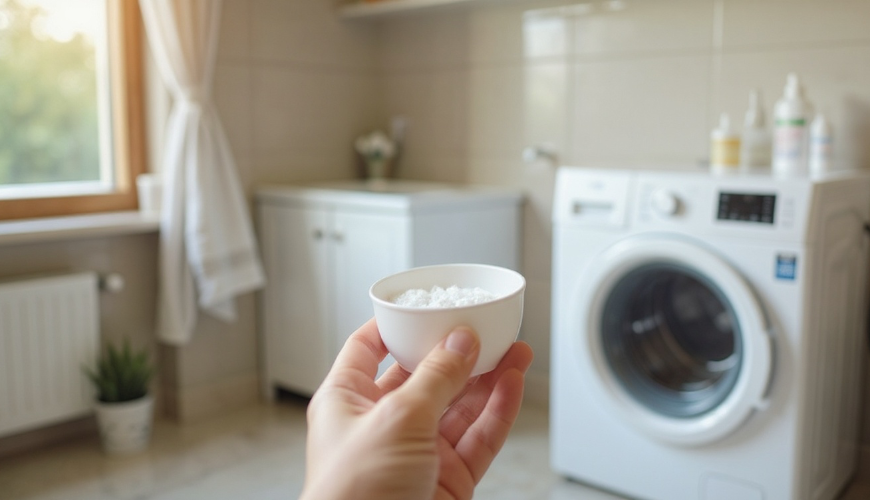
Sodium percarbonate has quietly become one of those "silent" helpers that have discreetly settled into more eco-friendly households in recent years. It’s not a trendy gadget for the initiated—more a return to simple chemistry that makes sense: when used correctly, it can gently whiten, remove dullness, help with odors, and doesn't leave a typical "chlorine" odor. However, the word bleach makes many people cautious. And rightly so. Whenever working with anything at home that has a bleaching effect, it's worth knowing exactly what you're holding and how to handle bleach safely for people, textiles, and surfaces.
Sodium percarbonate is often sold as an eco-friendly oxygen bleach and can practically replace some of the more aggressive products. However, this doesn't mean it's "harmless" and can be handled carelessly. It’s an effective substance—and effective things deserve respect.
Try our natural products
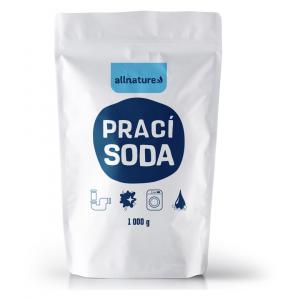
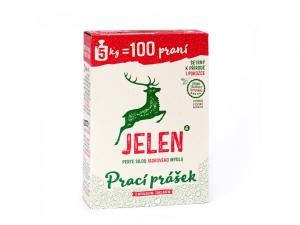
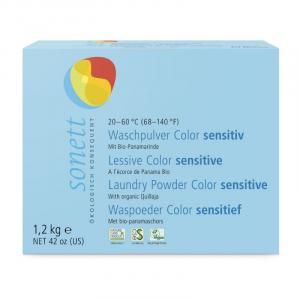
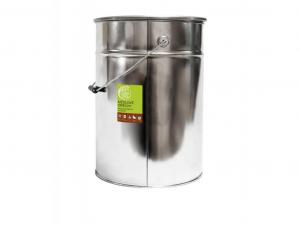
What is Sodium Percarbonate and Why is it Called Oxygen Bleach
When someone asks the question, “what is sodium percarbonate,” the simplest answer is: it’s a powder that releases active oxygen when dissolved in water. This active oxygen is responsible for the bleaching and cleaning effect—it helps break down colored stains of organic origin (typically from tea, coffee, wine, or fruit) and also deals with dullness that develops over time.
In home use, sodium percarbonate acts somewhat like a "laundry booster." It’s not a perfumed miracle that masks everything with fragrance. On the contrary—it’s more like pure work without frills. And that’s an advantage for many people because it means the home isn't left with a mix of intense aromas that often just mask the problem.
It's also worth knowing that sodium percarbonate is not the same as chlorine bleach. Chlorine bleaches (typically based on hypochlorite) are very effective but also aggressive, can irritate the respiratory tract, and pose a risk if improperly mixed with other products. In contrast, sodium percarbonate works on the principle of oxygen—yet it still needs to be used wisely, not over-dosed, and with respect for materials.
For a broader context on peroxide and oxygen bleaches, it’s helpful to look at sites like ECHA – European Chemicals Agency, where you can find information about chemicals and their safe use. It’s not bedtime reading, but as a support for verifying basic facts, it’s a solid resource.
Practical Tips on Using Sodium Percarbonate in the Home
In real life, laundry is rarely done "laboratorily." Children come home from preschool with blueberry stains, towels smell of the kitchen and cleaning product, white shirts go gray over time, and sportswear can hold onto odors despite fabric softener. That’s where knowing practical tips for using sodium percarbonate at home comes in handy—not as a list of magic tricks, but as a few reliable scenarios that repeat.
One of the most common situations: white cotton that isn’t quite white anymore. Typically bed linens, towels, or shirts. If sodium percarbonate is added to the detergent (or used in pre-soaking before washing), it can restore the brightness of textiles without resorting to chlorine. It’s important, however, to monitor the temperature: sodium percarbonate usually works better at higher temperatures (often cited as around 40 °C or higher) because heat helps release active oxygen. Practically, this means that a "quick" wash at 30 °C may have a weaker effect, leading to unnecessary overuse of powder.
Another common case is stains of organic origin—wine, coffee, tea, sauces, fruit. Here, soaking is worthwhile: appropriate amounts of sodium percarbonate are added to warm water and the fabric is left to soak for a while. It’s not about leaving everything "overnight at all costs," but giving the chemistry time. And importantly: first test on a less visible area if it’s a sensitive material or uncertain colors.
Sodium percarbonate is also used for kitchen textiles—towels and cloths that eventually get a gray tint and "scent" that no one wants to smell. Oxygen bleach can help not only with color but also with a sense of cleanliness. It’s always better to rinse the textiles first so that grease residues that may hinder its effect are removed.
Then there's a situation almost every household knows: a tea mug with a brown coating inside or a thermos that "remembers" coffee even after washing. Here, sodium percarbonate is often used as a handy soak—warm water, a bit of powder, a bit of waiting, and the coating comes off much more easily. It’s not magic, just patience. And it’s good to remember that such cleaning is more suitable for stainless steel and durable materials; caution is advised with aluminum or sensitive surfaces.
From real life: in one ordinary household, there was the classic "white shirt at the last minute." After ironing, it was clear that the collar and cuffs were dull, despite going through the washing machine. Instead of aggressive intervention, soaking in warm water with percarbonate and subsequent washing was done. The aim wasn’t to turn a ten-year-old shirt into a new piece, but the difference was visible: the collar lightened, and the shirt looked cleaner without the fabric becoming rough or smelling of "chemicals." And that’s often the goal—functional cleanliness, not perfection at any cost.
When using it at home, it’s also worth keeping in mind the limits. Sodium percarbonate is not a universal remover of everything. For grease, other types of cleaners (like soap-based or degreasing ones) often work better, while sodium percarbonate excels more with stains that can be "broken down" by active oxygen. Combining approaches makes sense: dissolve the grease first and then address residual discoloration.
If there’s to be only one list in the article, then this one can serve as a quick guide to where percarbonate is most commonly useful:
- White laundry and towels: reviving whiteness and removing dullness (ideally at 40–60 °C).
- Soaking stains: tea, coffee, wine, fruit—give it time and use warm water.
- Towels and cloths: reducing dullness and odors that linger even after regular washing.
- Mugs, thermoses, stainless steel containers: removing coatings from tea/coffee by soaking.
Bleach in the Household: How to Handle Bleach Safely and Avoid Unnecessary Mistakes
The word bleach holds a special place in the household. On one hand, it promises "perfect cleanliness," but on the other, it raises concerns—and sometimes even bad experiences. With sodium percarbonate, the barrier is lower than with chlorine, but the rules of safe handling remain important. Caution doesn’t mean fear, just good practice.
Basic rule: don’t mix bleaches "just like that." And this is doubly true for chlorine products, which can release dangerous gases when mixed with acids (like vinegar) or ammonia. With sodium percarbonate, it’s not the same type of risk as with chlorine, but it’s still sensible to keep it simple: use it on its own or in combination with a washing agent designed for it, and avoid concocting home cocktails.
The second thing is dosing. A common mistake is the belief that "the more, the better." With bleaches, this can lead to skin irritation, faster wear of textiles, or the powder not dissolving properly and leaving residues. Appropriate amounts, plenty of water, and the right temperature will do more than doubling the dose in a cold bath.
Third rule: consider the materials. Sodium percarbonate is usually suitable for cotton, linen, and more durable textiles, but caution is advised with wool, silk, or functional materials with membranes. With colored laundry, frequent use can lead to fading—not because it’s "bad," but because bleach is simply doing what it’s meant to do. If the goal is to maintain rich colors, it’s better to use percarbonate locally, on stains, and not as a universal additive to every wash.
The fourth point is surprisingly practical: storage. The powder should be kept dry and well-sealed, as moisture reduces effectiveness and can cause clumping. And, of course, out of reach of children—though it sounds like a cliché, households often work in haste, and an open bag on the washing machine is an unnecessary risk.
And then there’s a topic that's often underestimated: skin protection and ventilation. When handling powder, it can dust and irritate. For more sensitive individuals, a simple solution—don’t dig into the bag with your face right above it, or use gloves if preparing a soaking bath and hands will be in it for a longer period. It’s similar to using salt in the kitchen: it can also be used safely, but no one wants cracked and irritated hands.
In this context, it’s worth recalling a simple sentence that could easily hang above every cleaning cupboard: "A strong agent is a good servant but a bad master." For bleaches, this is doubly true—whether it’s sodium percarbonate or other types.
When talking about how to handle bleach, it’s fair to add one useful tidbit: the bleaching effect often shows only after the textile has completely dried. Sometimes, laundry is pulled from the washing machine, and it seems "it didn’t work," but after drying, the result is more visible. That’s why it’s worth not adding another dose immediately but giving it one cycle and assessing the effect with some distance.
Sodium percarbonate can be seen as a reasonable compromise between performance and consideration. In a household wanting to wash and clean effectively but without unnecessary chemical cocktails, it’s surprisingly versatile. Yet it remains a bleach—and bleaches have their strength. When used with respect for materials, at appropriate temperatures, and without risky mixing, it rewards with results that are visible even without the home smelling "like a pool." Isn’t that ultimately what most people want from cleanliness—that it’s real, not just masked by perfume?