
What Can Ear Itch Ointment Do and When to Use It
When Ears Itch - What Can Help and How to Choose the Right Ointment
Itching in the ears is an unpleasant but fairly common problem that can affect anyone regardless of age or lifestyle. It often appears subtly at first – as a slight tension, later as an insistent urge to touch your ear. Although it may seem like a trivial discomfort, persistent itching of the ears can signal a range of issues – from irritation of the outer ear canal to an allergic reaction or skin condition.
In many cases, a well-chosen ointment for ear itching can help, but the choice should be well-considered. It's not just about quickly soothing the itch, but also understanding its origin and finding an effective yet gentle solution. And this is where the need for an informed and conscious approach arises – ideally with regard to natural and sustainable options.
Why Do Ears Itch? There Are More Possible Causes Than You Might Expect
Human skin is a sensitive ecosystem, and the skin inside the ear is no exception. Itching can be caused, for example, by an excessive amount of earwax (which we paradoxically try to remove, even though it has a protective function), but also by a lack of it. Dry skin in the ear canal can crack and itch, especially in the winter months.
Another common cause is allergy – whether to cosmetics, hair spray, or cleaning agents that come into contact with the ear. More sensitive individuals may even be affected by the composition of shampoo or shower gel. Itching often accompanies skin conditions such as eczema, psoriasis, or seborrhea, which can also manifest in the ear area.
Sometimes, an infection is behind the itching – bacterial or yeast – which is a common problem, for example, for swimmers or people who frequently clean their ears with cotton swabs. These can injure the delicate skin inside the ear canal and disrupt the natural microflora.
And last but not least, stress can simply and plainly be the culprit. Who hasn't noticed that "everything starts to itch" when they are tense or under pressure?
When to Reach for Ointment – and Which One to Choose
If itching in the ear appears and lasts longer than a few days, it is advisable to first visit a doctor – especially an ENT (ear, nose, throat) specialist. The doctor can determine whether it's an ear canal infection, fungus, or another condition that requires specific treatment.
In cases where it is not an infection but rather irritation or dry skin, an over-the-counter ointment for ear itching can be very helpful. Ideal choices are products with a gentle composition that combine soothing, moisturizing, and possibly slightly antiseptic effects.
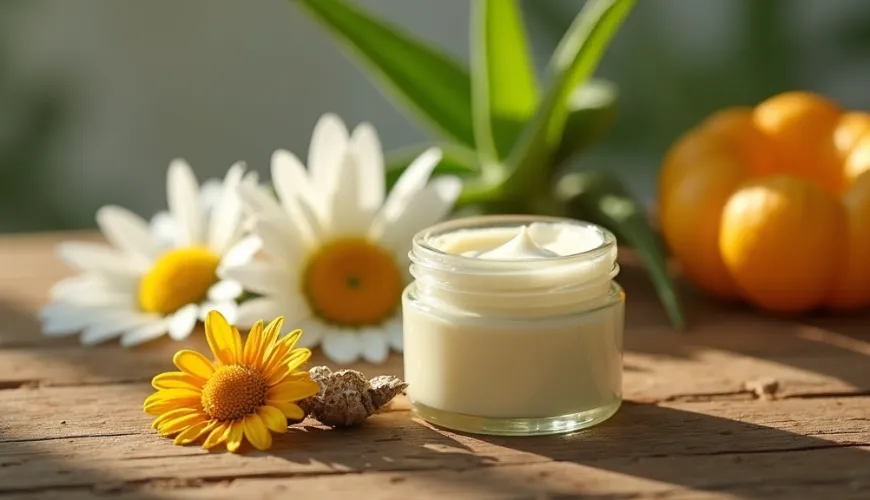
From the perspective of a healthy lifestyle and environmental friendliness, more and more people are leaning towards creams and ointments based on natural ingredients. These often contain extracts from chamomile, calendula, tea tree oil, or aloe vera. These substances are known for their anti-inflammatory and healing effects, and they also moisturize the skin and support its natural defense.
An interesting example is an ointment containing calendula and shea butter, which acts as a gentle balm while creating a protective barrier against further irritation. Regular use of such an ointment can bring relief even to people suffering from chronic itching due to eczema or allergy to metal in jewelry (e.g., earrings).
Natural Composition as an Advantage for the Body and the Planet
When choosing a suitable ointment for ear itching, it is good to read the composition. Many commonly available ointments may boast quick effects but contain petroleum-derived ingredients, synthetic fragrances, or parabens, which can further irritate sensitive skin. In contrast, there are plant-based ointments without mineral oils and harsh chemicals.
For example, lavender oil not only has a pleasant scent but also slightly anti-inflammatory and antibacterial effects, which will be appreciated by anyone suffering from irritation due to wearing headphones. Tea tree oil, known for its antifungal properties, can help with yeast-induced skin irritation.
Dermatologist MUDr. Kateřina Zelená says: “The skin around the ears is very sensitive and thin. Ointments with natural ingredients, which are not perfumed and have a simple composition, are generally well tolerated even by patients with recurring eczema or contact dermatitis.”
Beyond the composition itself, it is important to mention the ecological aspect. Products with certifications like COSMOS Organic or Ecocert ensure that the entire production process follows sustainability principles – from growing raw materials to production to packaging. Choosing such a product is not only an investment in personal health but also a decision with a positive impact on the environment.
Try our natural products




When the Home Medicine Cabinet Isn't Enough - A Story That Speaks for Itself
Zuzana, a 34-year-old mother of two from Brno, experienced how frustrating itching of the ears can be. "At first, I thought it was just water left over from the shower. But the itching persisted and gradually became uncomfortable even at night. I tried the usual drops I had at home, but nothing helped." Eventually, a simple natural ointment with calendula and olive oil recommended by a friend helped her.
"I applied it lightly around the entrance to the ear canal with a cotton swab in the evening, not inside! After about three days, it was much better, and within a week, the itching was completely gone." Today, Zuzana says she has learned to listen to her body more, and when the problem returns, she immediately reaches for proven natural care.
How to Use Ointments Properly and What to Watch Out For
Using ointment for ear itching is simple but requires some caution. The ointment is never applied deep into the ear canal – it is not intended for that. Just gently apply it to the visible part of the ear and the area around the entrance to the ear canal. It's best to use a cotton swab or a clean finger, ideally in the evening after hygiene, when the skin is clean and dry.
It is always important to monitor whether the condition worsens – for example, if there is discharge from the ear, pain, or fever, it's time to see a doctor. The ointment is a supportive tool, not a substitute for professional treatment.
People with allergies should always first perform a test on a small area of skin to prevent any reaction. Although natural composition means higher gentleness, even plant extracts can be strong allergens.
Small Changes with Big Impact
Ear care often remains on the fringes of our attention. It's not a part of the body that we moisturize daily or carefully protect. And yet – when a problem occurs, it can really trouble us. Itching of the ears is not just a minor annoyance but can be a signal that something in our lifestyle, hygiene, or environment is out of balance.
By choosing a gentle, natural ointment for ear itching, we not only solve the current problem but also support long-term skin health and contribute to a sustainable approach to our body and the world we live in. Sometimes, all it takes is really little – a drop of oil, a pinch of herbs, and a bit of patience.