

Vaginal dryness in your 30s affects many women

When people hear the term vaginal dryness, most automatically think of menopause, older women, and the hormonal changes associated with the transition. But the reality is different and, for many women, surprisingly uncomfortable – both literally and figuratively. Vaginal dryness in one's thirties is far more common than is openly acknowledged, yet it is almost never discussed. Women who experience it often feel alone in their struggle, or are ashamed to name it – even in front of their own gynaecologist.
And yet this is a health issue that directly affects quality of life, intimate relationships, and psychological wellbeing. A burning sensation, itching, pain during intercourse, or simple discomfort during everyday movement – these are all symptoms that a woman in her thirties simply does not deserve to ignore or dismiss. And yet it happens, surprisingly often.
Try our natural products
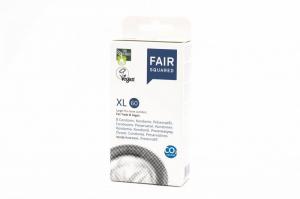

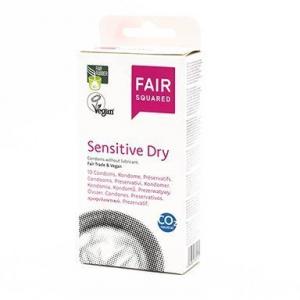

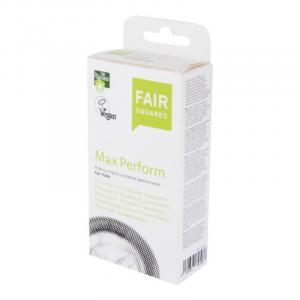
Hormones are not the only culprit
The most widespread explanation for vaginal dryness is a drop in oestrogen. That is true – oestrogen plays a key role in maintaining the natural moisture and elasticity of vaginal tissues. But oestrogen does not only decline during menopause. There are numerous situations and factors that affect this hormone's levels in younger women, and many of them are part of entirely ordinary daily life.
Breastfeeding is one of the most common yet least discussed reasons. During lactation, the body produces prolactin, which suppresses oestrogen production – and the result is a significant reduction in natural lubrication. A woman who is breastfeeding and simultaneously trying to rebuild an intimate relationship with her partner may find herself in a very uncomfortable situation without knowing why. Postpartum vaginal dryness can persist throughout the entire breastfeeding period – easily a year or more – and yet it is rarely discussed in maternity wards or at check-up appointments.
Another overlooked factor is hormonal contraception. Certain types of combined pills or hormonal patches can lower natural androgen and oestrogen levels, leading to a dry vaginal mucosa. Paradoxically, a woman who uses contraception partly in order to enjoy a satisfying sex life may find herself facing a problem that complicates it. According to a study published in the Journal of Sexual Medicine, some women using hormonal contraception experienced reduced natural lubrication, yet this side effect tends to be mentioned only in passing in package inserts.
Stress, sleep, and lifestyle: the invisible causes
The modern woman in her thirties lives under constant pressure. Career, family, social expectations, financial commitments – all of this takes a toll on overall health, and intimate health is no exception. Chronic stress raises cortisol levels, which disrupts hormonal balance and can indirectly contribute to reduced lubrication. A body in a permanent state of alertness simply does not invest energy in functions it does not consider essential at that moment – and natural vaginal moisture is not among them during times of stress.
Sleep deprivation, which is practically the norm for parents of young children, makes the situation worse. Lack of sleep disrupts the production of a range of hormones, including sex hormones, and the body enters a state of chronic fatigue that manifests physically – through reduced libido, dry mucous membranes, and overall tissue sensitivity. Consider the example of a thirty-year-old mother of a two-year-old who has returned to full-time work, is breastfeeding a newborn, and is simultaneously managing a mortgage – such a woman faces several risk factors at once, without being aware of it.
Hydration and diet also play a significant role. Dehydration generally affects the moisture of mucous membranes throughout the body, including the vagina. A diet low in healthy fats, particularly omega-3 fatty acids, can worsen the condition of mucosal tissues. Conversely, an adequate intake of fluids, quality fats, and antioxidants contributes to their better condition. Nutrition and vaginal health are connected far more closely than most women realise.
Smoking is another factor that receives little attention in this context. Nicotine constricts blood vessels and reduces blood flow to tissues, including vaginal ones. The result can be not only reduced lubrication, but also an overall decline in sensitivity and slower healing of minor abrasions. The World Health Organization has long highlighted the impact of smoking on women's reproductive health, of which vaginal health is an integral part.
Medications, products, and everyday habits that no one suspects
There is a whole group of medications whose side effects include dry mucous membranes – and women who take them are often completely unaware of this risk. Antidepressants from the SSRI group, antihistamines used for allergies, certain antihypertensives, or asthma medications can all contribute to vaginal dryness. Yet a woman who starts taking antidepressants and experiences discomfort during sex a few weeks later will probably not connect these two facts.
Likewise, hygiene habits and products that women use with the best of intentions can make the situation worse. Intimate sprays, scented soaps, wet wipes, or harsh shower gels disrupt the natural pH of the vagina and destroy the protective layer of the mucosa. The vaginal ecosystem is surprisingly sensitive and self-regulating – the more it is interfered with, the more its balance is disrupted. As gynaecologist and women's health advocate Dr. Jen Gunter aptly put it: "The vagina is like a self-cleaning oven. It doesn't need fragrances or special cleaning products."
Excessive use of tampons or menstrual cups without sufficient lubrication, overly tight synthetic underwear, or frequent wearing of shapewear – all of these are factors that can irritate sensitive tissue and contribute to a feeling of dryness and discomfort. Cotton underwear and looser cuts are not merely a matter of fashion, but have a real impact on intimate health.
The psychological dimension can also play a role. Anxiety related to sexual intercourse, lingering trauma, or simply insufficient arousal before and during intimate contact can mean that the body does not produce enough natural lubrication. The mind and body are inseparably connected in this regard, and a woman's psychological state is directly reflected in her physical response. Sexual dysfunction and vaginal dryness thus reinforce each other in a cycle that is difficult to break without professional help.
What to do about it, and why it is important not to stay silent
The first and most important step is to stop treating vaginal dryness as something embarrassing or normal that simply has to be endured. It is not. It is a health problem with specific causes and specific solutions, and it deserves the same attention as back pain or fatigue.
A visit to a gynaecologist should be a matter of course – a doctor can rule out more serious causes, check hormone levels, and recommend appropriate treatment. In the case of hormonal deficiency, there are topical oestrogen preparations in the form of creams or suppositories that act directly at the site of the problem and have minimal systemic impact on the body. These are available on prescription and their efficacy is well documented.
In parallel, it is worth reaching for natural lubricating gels or intimate moisturising products that contain no fragrances, parabens, or other potentially irritating substances. It is important to distinguish between lubricating gels, which provide immediate relief during intercourse, and vaginal moisturisers, which are used regularly to restore natural tissue moisture over time. Both types have their place and are not interchangeable.
Lifestyle changes can have a surprisingly significant impact. Increasing fluid intake, incorporating foods rich in omega-3 fatty acids – such as flaxseeds, walnuts, or oily fish – and reducing alcohol and caffeine consumption all contribute to better mucosal hydration. Physical activity improves blood circulation throughout the body, including the pelvic area, thereby supporting the natural functions of vaginal tissue.
If vaginal dryness is caused by stress or psychological burden, this dimension of the problem must also be addressed. Stress management techniques, adequate sleep, and possibly psychotherapy or couples therapy can bring relief not only psychologically but also physically. Open communication with a partner about one's own needs and any discomfort during intimacy is crucial – and although it may be difficult, it is often the first step towards genuine change.
It is also worth reviewing the hygiene products a woman uses on a daily basis. Switching to gentle, fragrance-neutral soaps or intimate gels with a natural pH can be a simple yet effective step. The same applies to the choice of underwear – cotton and natural materials are unquestionably better for intimate health than synthetic fabrics.
Vaginal dryness in one's thirties is neither an isolated problem nor a symptom of something inexplicable. It is the consequence of specific circumstances – hormonal, physical, psychological, and lifestyle-related – and as such it can be addressed, treated, and overcome. The most important thing is to stop staying silent: to speak to a doctor, to speak to a partner, and to speak to oneself. The body always sends signals – and learning to read them without shame is one of the most valuable gifts a woman can give herself.