
How to Prepare Delicious Doughnuts and Enjoy Time with Family
Fluffy Doughnuts from the Past - Why Fánky are Back in the Spotlight of Home Cooking
There are dishes that carry more than just flavor – they evoke memories, family traditions, and the aroma of childhood. One such treasure of Czech and Slovak cuisine is fánky. These light, fried pastry pieces are remembered by many from the time of carnival, fairs, or as a weekend dessert from grandma. Today, fánky are making a comeback not only as a dessert but also as an expression of nostalgia and a desire for simplicity. What makes fánky so special, why do we still love them, and how can we easily make them at home?
What Exactly are Fánky and Where Do They Come From?
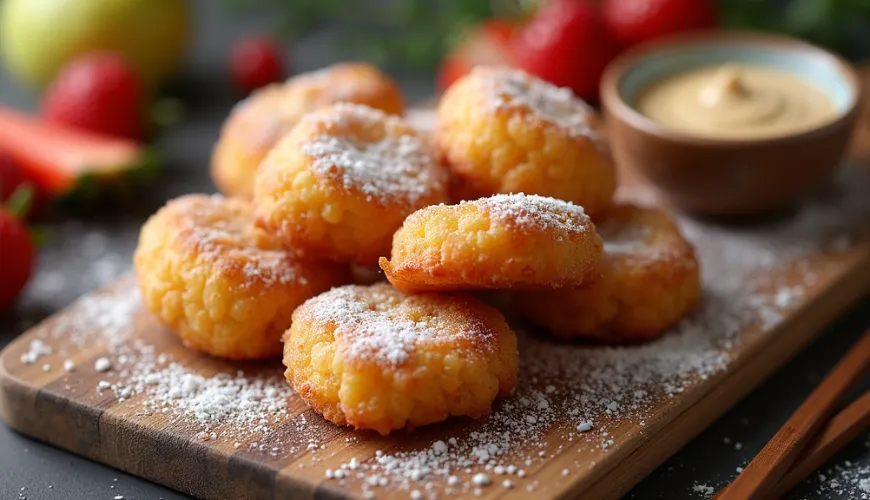
Fánky are essentially fried pastries resembling doughnuts, but unlike doughnuts, they are made without filling. They have a delicate, fluffy texture, crispy edges, and a typically irregular shape, resembling more like pancakes or knots. Traditionally, they are served dusted with powdered sugar, and often a drop of rum or vanilla sugar is added to the dough to enhance the flavor.
Their origins trace back to old European cookbooks, where they appeared under various names: in France as "bugnes," in Poland as "faworki," in Slovakia as "šišky," and in our region under the name fánky. They became especially popular during carnival – a period of feasting before the start of Lent, when frying, baking, and indulging in sweets was allowed.
Fánky vs. Doughnuts – How Do They Differ?
At first glance, one might think that fánky are just ordinary small doughnuts. In reality, they are made from a different recipe and preparation process. Doughnuts are usually round, filled with jam, and yeast-leavened. Fánky are thinner, usually without filling, and often made from quark or yogurt dough, which does not require long rising. This makes them a quick alternative for anyone craving something sweet without wanting to spend the entire morning at the stove.
Moreover, due to the absence of filling and smaller size, fánky have a lower caloric value than traditional doughnuts – though we are still talking about a fried dessert.
Traditional Recipe for Homemade Fánky
Every family has its own recipe for fánky, passed down from generation to generation. One of the most popular and proven recipes includes just a few basic ingredients:
Ingredients:
- 250 g plain flour
- 250 g soft quark
- 1 egg
- 1 tablespoon sugar
- 1 teaspoon baking powder or a pinch of baking soda
- a pinch of salt
- 1 tablespoon rum or vanilla extract (optional)
- oil for frying
- powdered sugar for dusting
Instructions:
- In a bowl, mix quark, egg, sugar, salt, and optionally a drop of rum or vanilla extract.
- Add flour mixed with baking powder and work into a soft, non-sticky dough.
- Roll out the dough on a floured surface to a thickness of about 0.5 cm.
- Cut into rectangles with a pastry cutter or knife, optionally making small cuts in the dough.
- Fry the fánky in hot oil until golden on both sides.
- Drain on paper towels and dust with sugar while still warm.
Simple, right? And yet, it's this simplicity that makes fried fánky so beloved. The smell of frying dough wafting through the kitchen evokes home and Sunday afternoons with family.
How to Include Fánky in a Healthier Lifestyle?
You might be thinking – "But fánky are fried, that's not very healthy!" Although fánky are not a diet dessert, they can be part of a balanced lifestyle if prepared thoughtfully.
One tip is frying in healthier vegetable oils, such as canola oil, which has higher heat stability. Alternatively, fánky can be prepared in a deep fryer with controlled temperature to minimize oil absorption. Another option is experimenting with baking in the oven – the result won't be exactly the same, but the flavor can surprisingly come close.
For those reducing sugar, part of the sweetening can be replaced with stevia or erythritol, and be more moderate when dusting with sugar. And finally – there's no need to indulge in fánky every day. Their rarity makes them a sweet treat to look forward to.
Fánky as a Part of Local Tradition
Interestingly, fánky are not just a culinary matter – they are often associated with local traditions and celebrations. For example, in Slovakia, they are part of the carnival parade, where women in traditional costumes fry them right on the street and offer them to passersby. In some Czech villages, fánky accompany the welcoming of spring or Easter Monday.
In the family of Mrs. Lenka from South Bohemia, making fánky is an annual ritual: "Every spring when the cherry trees bloom, we gather at grandma's and fry fánky according to her handwritten recipe. Four generations at one table. That smell is a symbol of childhood and family warmth for me," she says with a smile. This example beautifully shows that fánky are often more than just a sweet – they are a link between generations.
Why are Fánky Still Popular?
In a time when kitchens are filled with exotic recipes and superfoods, it might seem that traditional dishes are losing their place. However, the opposite is true – the return to simple recipes and honest home cooking is experiencing a renaissance. Fánky are proof that even a dish made from a few ingredients can satisfy taste buds and bring joy from shared dining.
And what's more – fánky are a great opportunity to involve children in cooking. The dough is simple, shaping is fun, and the result is a sweet reward. Making your own fánky at home, perhaps even with a modernized recipe, is a small step back to values that we sometimes forget in the daily hustle: time spent together, sharing, and joy from simple things.
Whether you know them as fánky, šišky, bugnes, or fluffy fried pastries – one thing is certain: this recipe definitely deserves a place on your table.