
How to Gently and Effectively Get Rid of Calluses on Feet
How to Get Rid of Calluses and Corns on Feet Gently and Without Chemicals
Feet are parts of the body that carry us all day – literally. And although we often forget about them, their health plays a crucial role in our overall well-being. Painful calluses on feet or bothersome corns can make every step unpleasant. It’s no wonder we look for ways to get rid of them as quickly and gently as possible. Many people resort to chemical agents or even radical skin scraping. However, it is possible to approach the issue differently – naturally, sustainably, and with respect for your own body.
Calluses and corns are often confused, but they are not the same thing. The difference between them lies not only in their appearance but also in how they form and what can be done with them. Whether you’re focused on prevention or effective solutions, it pays to understand why these problems occur – and how to prevent or remove them without unnecessary chemicals.
What Are Calluses and Why Do They Form
A callus, also known as hyperkeratosis in medical terms, is thickened skin that forms in areas exposed to prolonged pressure or friction. The most common locations are feet – particularly heels and balls of the toes, but also palms or fingers. A callus is essentially a natural defense mechanism of the body: the skin tries to protect itself from repeated mechanical stimuli by thickening and hardening.
In most cases, a callus is not dangerous. Problems arise when it becomes too thick, begins to crack, or causes pain when walking. Many people then confuse it with a corn, which is often a mistake.
A corn, medically known as clavus, is a specific type of callus with a hard center that often grows inward. This is why it tends to be painful, as it can press on nerve endings and cause sharp pain, especially when walking or standing. Corns often form on the pinky toe edge of the foot or between the toes where pressure from tight or unsuitable shoes occurs.
What Causes the Formation of Calluses and Corns
There are many causes of these thickened skin areas. The most common include:
- Inappropriate footwear, which is too narrow, hard, or conversely, insufficiently supportive.
- Excessive foot strain, such as during prolonged standing, sports, or walking on hard surfaces.
- Foot deformities, like bunions or hammertoes, which alter the pressure distribution on the feet.
- Barefoot walking – although healthy, prolonged exposure can lead to natural skin thickening.
- Poor foot care, such as insufficient skin hydration or wearing socks made from synthetic materials.
An example is Mrs. Jana, who works as a nurse. She is on her feet for up to twelve hours a day, and although she wears medical shoes, she started developing hard calluses on her heels. Initially, she ignored the problem, but over time, it began to burn with every step, and the skin started to crack. Treatment from a pedicurist brought relief, but only a change in routine – regular skin softening, hydration, and suitable insoles – helped solve the problem long-term.
How to Get Rid of Calluses and Corns Naturally
While the market offers countless products promising quick removal of hardened skin, they often contain aggressive chemicals, such as salicylic acid, which can irritate the surrounding skin. For those seeking gentler and softer solutions, there are natural alternatives that work without side effects and respect both health and the environment.
1. Foot Bath as a Foundation
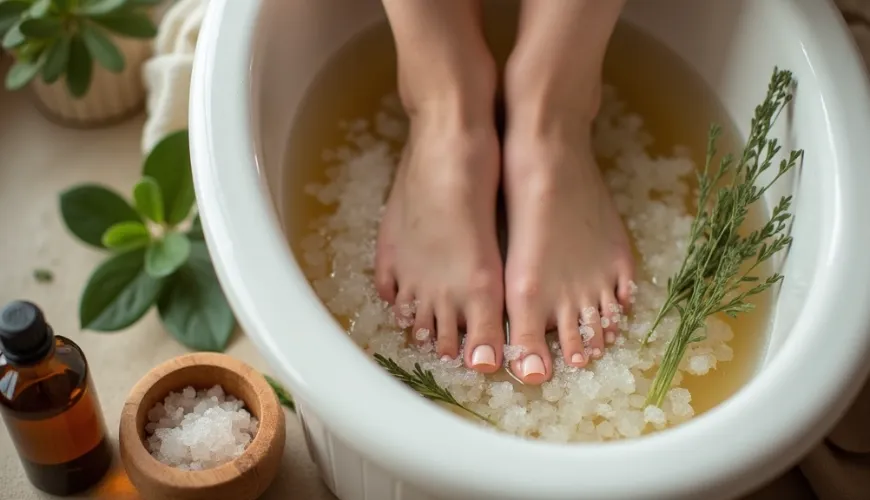
The first step is to soften the skin. A warm foot bath with the addition of sea salt, baking soda, or herbal extracts (such as chamomile or lavender) helps loosen hardened skin and prepares it for further care. The optimal bath time is 15–20 minutes. Then, a pumice stone or natural file can be used to gently remove the top layer of the callus.
2. Natural Softeners
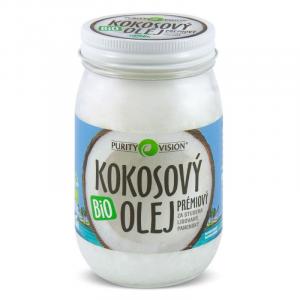
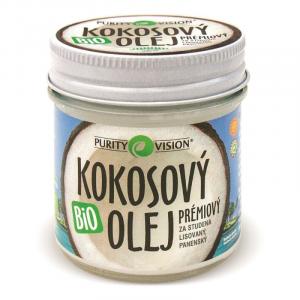
After the bath, it’s important to hydrate the skin. Excellent helpers are shea butter, coconut oil, tea tree oil, or almond oil, which not only soften but also have antibacterial effects. Regular application in the evening before bed helps restore the skin’s natural elasticity and prevents further hardening.
3. Patches with Natural Extracts
For corns, special patches containing plant exudates, such as celandine extract, known for its keratolytic properties, can be used. These agents gradually dissolve the hardened skin without damaging the healthy tissue around it.
4. Home Remedies
Popular "home remedies" include wraps made from onion or lemon. Simply apply a slice of lemon to the callus, secure with a bandage, and leave it on overnight. Citric acid helps soften the skin and ease its removal. Similarly, apple cider vinegar, which has mild exfoliating effects, can also be used.
Try our natural products

Prevention is the Most Effective Solution
As with many other health issues, prevention is more effective than treatment. With proper care and attention to your feet, it is possible to completely prevent the formation of calluses and corns.
The foundation is choosing the right footwear. It should have enough room for the toes, a soft insole, and arch support. Regular nail trimming, wearing socks made from natural materials, such as organic cotton or bamboo, helps reduce friction and the formation of a moist environment that can promote skin thickening.
Foot care should be part of your routine. Just as we brush our teeth or care for our skin, we should dedicate a few minutes daily to our feet – hydrating them, checking for any changes, and providing them with relief, perhaps through a simple massage.
When to Seek Professional Help
Although most calluses and corns are not serious, there are situations where it is advisable to see a doctor or an experienced pedicurist. If the area becomes inflamed, pus forms, there is severe pain, or the problem repeatedly returns, it may indicate a deeper issue, such as flat feet or poor posture.
Diabetics should pay special attention to the condition of their feet, as even small injuries can lead to serious complications. In such cases, self-treatment is risky, and it is always better to entrust oneself to the hands of a professional.
As the famous saying goes: “If you want to go far, take care of your feet.” And there’s definitely something to it. In foot care, our physical health is reflected, as well as our ability to listen to our bodies. So next time you feel your heel burning or your shoes pinching, don’t downplay it – that's when your body is telling you that you deserve a little more attention.