
Growing tarragon is easy and yields great results.
The King of Herbs in French Cuisine and Home Gardens - Tarragon
At first glance, an inconspicuous herb, but on second glance, an indispensable part of many kitchens and folk medicine. Tarragon, also known as tarragon wormwood (Latin Artemisia dracunculus), has a long history not only in gastronomy but also in traditional herbalism. Its slightly sweet, mildly anise-like flavor has made it one of the main stars of French cuisine, but it is also gaining its place in Czech gardens and households.
What is Tarragon and Where Does It Come From
Tarragon belongs to the aster family, and its relatives include common wormwood, southernwood, and mugwort. Unlike its bitter cousin – common wormwood – tarragon has a milder, sweeter taste, which has earned it the nickname "king of herbs" in French gastronomy. This is also where one of its English names comes from – French tarragon.
Originally, it comes from Central Asia and Siberia, from where it gradually spread to Europe. Today, it is cultivated worldwide, especially in temperate climate zones. In the Czech Republic, French tarragon is primarily grown, valued for its intense flavor and aromatic oils. Another type that appears here is Russian tarragon, which is significantly milder in taste and often used more as an ornamental plant than as a spice.
How Tarragon Affects the Body – Surprising Effects
Tarragon is not just a tasty spice. Even in the Middle Ages, it was considered a medicinal herb, and its effects were appreciated by doctors at imperial courts. It contains a range of beneficial substances – essential oils, flavonoids, vitamins A and C, potassium, magnesium, and calcium.
Try our natural products



And what specific effects of tarragon are worth mentioning?
- Supports digestion and alleviates bloating – it is often added to heavier dishes like sauces, legumes, or roasted meats.
- Calms the nervous system and aids in falling asleep – grandmothers recommended tarragon tea for insomnia and nervousness.
- Improves appetite – its aroma stimulates saliva and gastric juices.
- Has significant antibacterial effects, and thus was historically used for minor oral infections.
According to some modern studies (such as research published in the Journal of Medicinal Food), tarragon also has antioxidant effects, meaning it helps the body fight free radicals and thus slows down the aging of cells.
Interestingly, tarragon contains a small amount of estragole – a natural compound considered potentially toxic in large quantities. However, in regular culinary use, there is no need to worry – the amount is negligible and the risk minimal.
Growing Tarragon – An Easy Helper in the Garden and in Pots
If you're interested in tarragon for its effects and taste, you'll be pleased to know that growing it is relatively simple. The most commonly grown type here is French tarragon, but it is difficult to propagate from seeds. It's best to buy a seedling or separate a part of the plant from a neighbor or your own plant.
Tarragon prefers a sunny location, ideally protected from the wind. It thrives in well-drained, light soil with a higher content of calcium. It does not tolerate waterlogging – excess water can cause root rot. In spring, it is advisable to fertilize the plant with compost or natural fertilizer.
A major advantage of tarragon is its longevity – it can grow in one place for several years. In autumn, it's recommended to cut it back and cover it with branches or mulch to survive the winter.
If you don't have a garden, don't worry. Tarragon can also be grown in a pot on a balcony or windowsill. It just needs plenty of light, regular but moderate watering, and occasional fertilizing. In a pot, it's ideal to choose a deeper container because the root system needs space.
Tarragon in the Kitchen – The Secret of French Cuisine and More
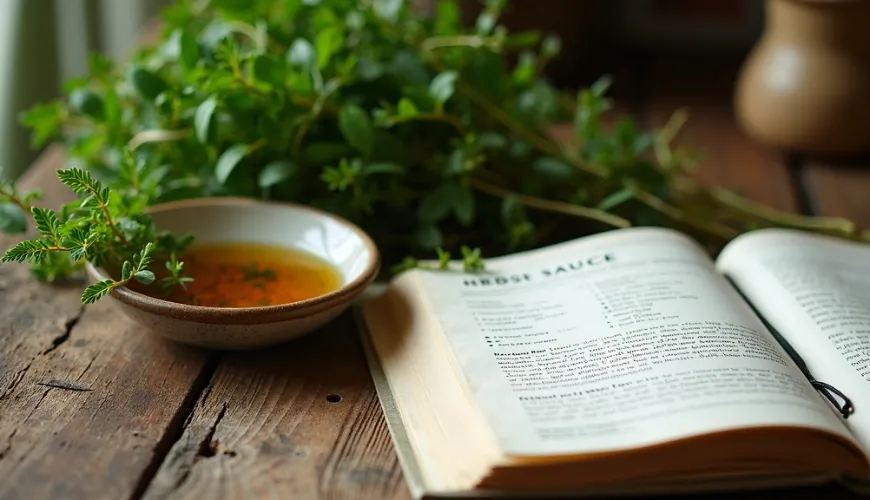
In the kitchen, tarragon is an indispensable spice – and not just in France. It is the main ingredient of the famous béarnaise sauce, which perfectly complements steaks or fish. Besides that, it's used in pickling cucumbers, in mustards, for seasoning chicken, or in egg dishes.
It also pairs well with ingredients like lemon, garlic, onion, cream, or white wine. Due to its strong flavor, it should always be used sparingly – too much tarragon can overwhelm the dish.
An interesting way to use it is in tarragon vinegar – simply immerse a fresh sprig of tarragon in wine vinegar and let it steep for a few weeks. The result is a fragrant vinegar ideal for salad dressings or seasoning fish.
In a typical household, tarragon can be used in this simple recipe: mix cottage cheese, chopped fresh tarragon, a pinch of salt, and a drop of lemon juice, and you have a delicious herb spread that will enhance any bread.
A Story from the Countryside – How Tarragon Found Its Way to the Table
On a small farm in the foothills of the Beskydy Mountains, Mrs. Alena has been growing herbs for years. Among the lavender, mint, and thyme, tarragon has found its place. "At first, I didn't know it at all," Alena laughs. "But then I tasted homemade mustard from a friend, and it was completely different – gentle, fragrant. She told me the secret was tarragon."
Since then, tarragon has had an honored place in her garden. She adds it to homemade marinades, roasted chicken, and even prepares a tincture from it for digestion support. "It's my little miracle herb," she adds.
And that's how tarragon is returning to Czech households – not just as a fashionable culinary trend, but as a proven helper from our grandmothers, worth rediscovering.
Thanks to its ease of cultivation, medicinal effects, and wide use in the kitchen, tarragon rightfully deserves attention. Whether you grow it in the garden or a pot, use it fresh or dried, its delicate flavor and health benefits make it one of the most useful herbal allies in the household.