
German solyanka recipe is the perfect dish for cold days
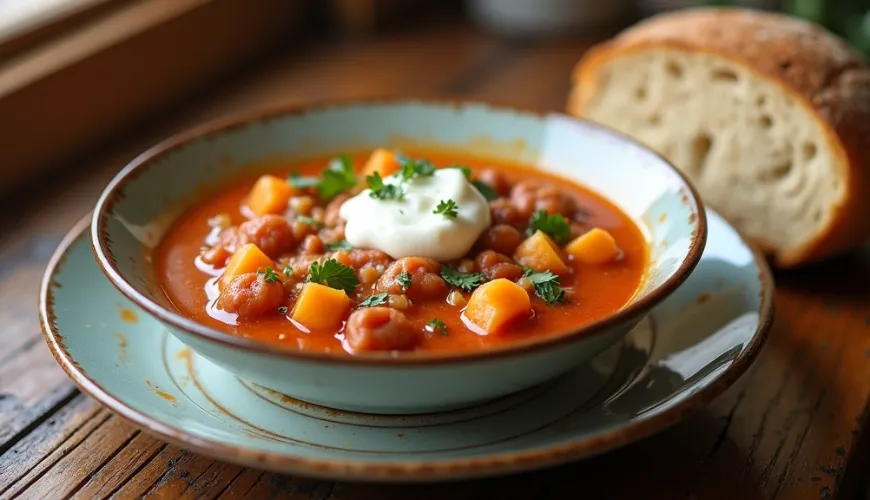
Soljanka a Little Differently - How an Eastern European Soup Became a German Classic
In gastronomy, there are few dishes with as colorful a history and cultural reach as soljanka. This hearty, slightly sour soup, which originally hails from Eastern Europe, has won the hearts and taste buds of the former East Germany over the decades. Today, the phrase German soljanka recipe is becoming increasingly searched for, not only among retro cuisine enthusiasts but also among those looking for a hearty meal with character and history.
Where It Came From - The History of Soljanka
Soljanka did not originate in Germany. Its roots go deep into Russian and Ukrainian cuisine, where it appeared as early as the 18th century. The word "солянка" (soljanka) is derived from the word "soľ" - salt, which hints at its distinct and salty taste. Initially, it was a thick fish or meat soup with the addition of fermented vegetables, pickles, lemon, and various spices. In its traditional variants, soljanka was a sort of goulash in spoon form - hearty, flavorful, and ideal for dreary evenings or as a hangover remedy.
Soljanka made its way to the former East Germany with the arrival of the Soviet army after World War II. Soviet soldiers cooked it in the barracks, and cooks from the Eastern Bloc quickly adopted it. It gradually adapted to local tastes and available ingredients, resulting in its German variant, which is now an integral part of German cuisine - especially in Saxony and Thuringia.
What Makes Soljanka Typically "German"?
Unlike its Russian predecessors, German soljanka recipes most often rely on a combination of smoked meats - such as sausage, salami, ham, or frankfurters. Although there are also versions with fish or mushrooms, the "true" German soljanka is meat-based. The key to its flavor is a harmonious blend of acidity (from pickles or brine), sweetness (often from tomato paste or onions), and spiciness (sometimes added with chili or pepper).
The base usually consists of smoked meats or leftover meat, to which onion, chopped pickled cucumbers with a bit of brine, tomato paste, and optionally bell peppers, tomatoes, or cabbage are added - depending on where you come from. Finally, it's all flavored with lemon, cream, or sour cream for the right zing.
Some recipes include olives or capers, which give the dish a Mediterranean touch - though it's not necessary. The result is a hearty, flavor-rich, and slightly sour soup, often served with fresh bread or a crispy baguette.
German Soljanka Recipe - How to Cook It at Home
Want to prepare this delicious classic in your own kitchen? Here is a simple recipe for German soljanka, adapted to match common ingredients available in Czech stores:
Ingredients (for 4-6 servings):
- 200 g of kabanos or spicy sausage
- 150 g of ham or soft salami
- 1 large onion
- 2 pickled cucumbers + 2 tablespoons of brine
- 2 tablespoons of tomato paste
- 1 teaspoon of sweet paprika
- 1 small red bell pepper
- 1 liter of broth (preferably beef or vegetable)
- a bit of lemon juice
- salt, pepper, possibly chili
- sour cream for serving
- fresh bread or baguette
Instructions:
- Sauté the finely chopped onion in a pan until translucent.
- Add the chopped sausage, ham, and fry for a few minutes.
- Stir in the chopped bell pepper and pickled cucumbers.
- Add the tomato paste, sweet paprika, and two tablespoons of cucumber brine.
- Pour in the broth and let simmer for at least 20 minutes.
- Season with lemon juice, and optionally salt, pepper, or chili to taste.
- Serve hot, garnished with a spoonful of sour cream and a slice of bread.
The advantage of this soup is its versatility - you can use leftover meat from the previous day or prepare it in a vegetarian version with soy sausages and vegetable broth.
Soljanka as a Memory of the Past - and as a Trend in Healthy Home Cooking
You might be wondering why such a dish is mentioned on a blog focused on ecology, healthy lifestyle, and sustainability. The answer is simple. Soljanka is a great example of zero-waste cooking - it uses leftover meat, smoked meats, and vegetables and turns them into a new, nutritious meal. In times when more and more people are returning to home cooking, preparing meals in containers, and looking for ways to save, such a soup is literally golden.
At the same time, it can easily be adapted to modern dietary requirements. Smoked meats can be replaced with plant-based alternatives, acidity added with fermented vegetables, and even without animal products, the result will be tasty and filling. If you're thinking about how to use leftover pickled vegetables or liven up your menu on cold days, soljanka is the ideal solution.
An Ordinary Soup with an Extraordinary Story
In the former East Germany, soljanka became a common part of menus - from school cafeterias to company canteens. For many Germans who grew up in the eastern part of the country, it remains to this day a symbol of home, childhood, and simple, honest cooking.
A great example is the story of Mrs. Sabine from Leipzig, who recalls soljanka from the time when her grandmother worked in a hospital cafeteria. "It was one of the few soups that children liked. Slightly spicy, fragrant, and always served with a spoonful of cream and a slice of bread," she reminisces with a smile. Today, she cooks it for her grandchildren - often in a healthier version with vegetable broth and organic sausages.
And that is the magic of soljanka - it's a dish that everyone can adapt according to their tastes and available ingredients. It's not just a soup, but a story. About connecting cultures, adapting to new conditions, and creativity in the kitchen.
In today's world, where more people are trying to live consciously, sustainably, and with respect for food and natural resources, such cuisine has its rightful place. Whether you opt for the classic recipe or create your own variation, soljanka will warm you up - not just physically, but also in spirit.