
Discover the magic of Madras curry and its healthy ingredients
Madras Curry - From Spicy Southern India to Czech Kitchens
When someone mentions Indian curry, most people imagine a mix of bold spices, a rich sauce, and aromas that transport the senses to distant Asia. Among all these diverse variations, chicken madras holds its unique place. This aromatic, spicy dish originates from southern India, specifically the Chennai area, formerly known as Madras. Today, it is enjoyed by people worldwide—from London bistros to households in the Czech Republic. What is the magic of this dish, and how can you prepare it at home?
What is Madras Curry and How Does it Differ from Other Types of Curry?
Madras curry is a type of Indian spiced dish characterized by a deeper red color and higher spiciness. Its composition may vary slightly depending on the region and the cook, but it generally contains a mix of tomatoes, garlic, onions, ginger, and typical Indian spices like cumin, coriander, garam masala, and chili.
Unlike creamy and milder dishes such as butter chicken or korma, madras curry has a distinctly sharper flavor profile. It’s no surprise that it’s favored by those who love to experiment with intense tastes and aromas.
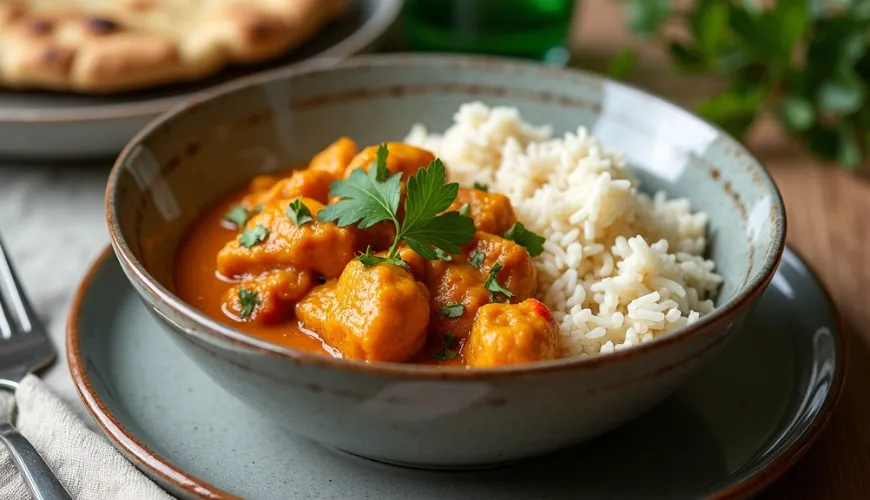
In Europe and also in the Czech Republic, the most common version is chicken madras, meaning madras curry with chicken meat. This recipe offers a perfect balance between juicy meat and a thick, fragrant sauce that begs for dipping naan bread pieces or a spoonful of aromatic jasmine rice.
Origin and History of Madras Curry
The history of what we now call madras curry is somewhat intricate and fascinating. The word "curry" itself comes from Tamil, meaning simply "sauce." When the British penetrated the southern parts of India in the 18th century, they tried to adapt the local cuisine to their taste. They created a spice mix inspired by local recipes, which they later named after the city of Madras (modern-day Chennai).
Madras curry, as we know it today, is largely a product of the colonial era and the British interpretation of Indian flavors. The British loved this style so much that it became a staple in Indian restaurant menus throughout the UK. From there, it gradually spread across Europe and in recent years has found its way into Czech kitchens.
Interestingly, in India itself, you won't find a dish directly called "madras curry"—it’s actually a Western name for a South Indian-style curry. Nevertheless, the essence of this dish is deeply rooted in Indian culture, especially in the cuisine of Tamil Nadu.
Homemade Chicken Madras - How to Make It?
Although it may seem that preparing an authentic Indian dish requires special knowledge or complex ingredients, the opposite is true. Madras recipe can be managed at home with commonly available ingredients.
Basic Ingredients for Chicken Madras:
- Chicken breasts or thigh fillets (about 500 g)
- 2 onions
- 3 cloves of garlic
- A piece of fresh ginger (about 3 cm)
- 1 tablespoon of cumin
- 1 tablespoon of ground coriander
- 2 teaspoons of garam masala
- 1–2 teaspoons of ground chili (to taste)
- A can of chopped tomatoes or 3 fresh tomatoes
- 2 tablespoons of tomato paste
- 200 ml of coconut milk or yogurt
- Oil for frying
- Salt, pepper, lemon juice, fresh coriander for garnish
The process is simple. First, sauté the onions until golden brown, add garlic, ginger, and spices, and briefly fry to release the aroma. Then add the meat and let it sear. Next, add tomatoes, paste, and simmer until tender. Finally, stir in coconut milk or yogurt, season with salt and lemon. Serve with rice or naan.
One of the advantages of madras curry is its versatility—it can be prepared not only with chicken but also with tofu (for vegetarians), beef, lamb, or even as a purely vegetable dish.
Why Does Madras Curry Deserve a Place in Your Kitchen?
In today's world, where people are increasingly mindful of health and the origin of ingredients, madras curry represents the perfect compromise between taste, nutrition, and dietary diversity. The spices contained in curry have natural anti-inflammatory properties, aid digestion, and can positively affect the immune system.
Try our natural products




For instance, turmeric, a typical component of madras mixes, is valued for its antioxidant properties and its ability to act as a natural anti-inflammatory agent. Garlic and ginger, on the other hand, support circulation and have antiseptic effects. From this perspective, madras curry is not just a tasty meal but also a boon for a healthy lifestyle.
Moreover, this dish can be easily adapted to personal preferences. You can reduce the spiciness by decreasing the amount of chili or adding more coconut milk. Conversely, spicy food lovers can enjoy fresh hot peppers.
Madras Curry in the Czech Context
While preparing curry at home was once a challenge due to the lack of exotic ingredients, today it is no problem to find everything needed in regular supermarkets or specialized health food stores. There are also pre-prepared madras curry mixes that significantly ease preparation without compromising taste authenticity.
More and more Czechs have also taken to making their own spice blends—not just for freshness, but also for the ability to control the composition. You know exactly what you're eating and can avoid unnecessary additives or sugars that sometimes appear in store-bought sauces.
For example, a young family from Olomouc decided to reduce ready-made meals and started preparing "travel dinners" once a week—each week a different dish from another part of the world. One of their favorite dinners became chicken madras with coconut milk, which even the children loved. The family adjusted the spiciness to taste, making the dish a regular part of their menu.
Madras Curry as Part of a Sustainable Kitchen
Besides health and taste benefits, madras curry can also be part of sustainable dining. Using local vegetables, organic meat, or plant-based alternatives easily creates a meal that is not only good for you but also for the planet.
Additionally, since curry sauces are ideal for using leftovers—whether vegetables, legumes, or meat—they fit perfectly into the zero waste kitchen concept. Instead of throwing away food, you simply use it as a base for another version of madras curry.
As the famous Indian chef Atul Kochhar said: “Indian cuisine is not about a single recipe, but about the ability to adapt to the environment, season, and taste of each cook.” And that is what makes madras curry such a universal and beloved dish.
So whether you are looking for a quick and healthy lunch or want to try something new, madras is definitely worth trying. With every bite, you’ll be transported thousands of kilometers away, to the fragrant streets of southern India—all while staying in your kitchen.