

Cannelloni recipes for all occasions and tastes
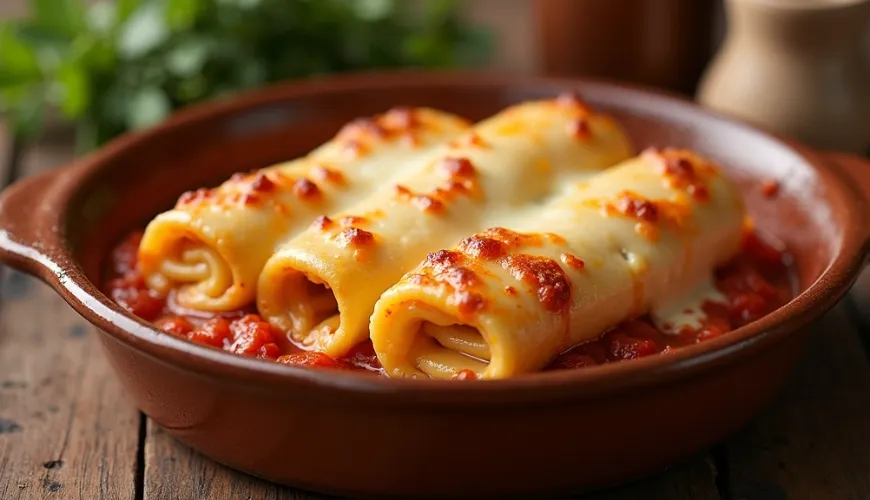
Italian Classic on a Czech Table - Stuffed Cannelloni as an Original Family Lunch
Among pasta dishes, lasagna, spaghetti, or penne have their firm place, but how about trying a lesser-known, yet exceptionally tasty specialty? Cannelloni – hollow pasta tubes that are stuffed and baked – are a true delicacy of Italian cuisine. And although their name might not be as widespread in Czech households yet, their charm is gradually being discovered by more and more cooking enthusiasts. Why are stuffed cannelloni worth your attention, and how can you prepare them at home? Let's dive into the world of this delicacy together.
What exactly are cannelloni?
Cannelloni (sometimes also spelled "caneloni") are large hollow pasta tubes, traditionally about 2–3 centimeters wide and roughly 10 centimeters long. In their raw state, they resemble rigid straws that must either be pre-cooked or directly stuffed and baked with a juicy sauce that softens them in the oven. The name comes from Italian, meaning "large pipes" – which hints that it's a pasta meant to be filled.
Their variability is almost endless. They can be filled with a mixture of meat, vegetables, cheeses, or even tofu, and then topped with béchamel, tomato sauce, or pesto. This versatility makes cannelloni an ideal dish for every season and occasion.
History on a Plate - Where Did Cannelloni Come From?
The origin of cannelloni dates back to southern Italy, specifically the region of Campania. The first mentions of this dish come from the 18th century, when they appeared more as "manicotti" – another name for a similar type of filled pasta. In the modern form we know today, cannelloni began to be widely prepared in the 20th century, and thanks to the popularization of Italian cuisine, they found their way to tables worldwide.
The consistency and taste of the pasta, their ability to soak up sauce, and the possibility of working with various fillings make them a sort of "Italian version of stuffed peppers" – just without the peppers and with a generous portion of cheese on top.
Why Opt for Homemade Preparation
Although you can buy ready-made baked cannelloni in supermarkets or restaurants today, homemade preparation has its charm. It allows you to control the ingredients, the amount of salt, fats, and most importantly – the taste. Moreover, you can use seasonal ingredients you have on hand and customize the filling according to what your family loves.
It's important to realize that preparing cannelloni isn't particularly complicated, even if it might seem laborious at first glance. In reality, it's a combination of baking and layering – a process similar to lasagna.
For example, a family with two children from Plzeň has grown fond of the vegetarian version of cannelloni with ricotta, spinach, and homemade tomato sugo. "The kids love helping fill the tubes themselves, and we consider it a family ritual," says Mrs. Eva, who cooks with an emphasis on fresh and local ingredients. "We always feel like we've created something special, even though it's just an ordinary lunch."
Basic Cannelloni Recipe for Beginners
If you're just starting with cannelloni, we recommend sticking to a simple recipe. The foundation is a balanced filling, quality pasta, and a good sauce. Below you'll find a version that will satisfy both meat lovers and those looking for a vegetarian alternative.
For this recipe, you'll need a package of cannelloni (about 250 g), along with ricotta (250 g) and about 300 g of spinach – frozen is fine if fresh isn't available. Add a clove of garlic, a small onion, a bit of olive oil, grated parmesan (100 g), and half a liter of pureed tomatoes or homemade sauce. Season with salt, pepper, and a pinch of nutmeg, and you're ready.
Start by letting the onion and garlic soften in a bit of oil in a pan – once the aroma fills the kitchen, add fresh spinach, just sauté it briefly, and then set the mixture aside to cool. Meanwhile, prepare the filling in a bowl: mix ricotta with the cooled spinach, add half of the parmesan, salt, pepper, and season with a pinch of nutmeg, which gives the whole mixture that distinct gentle flair.
Transfer the filling to a plastic bag with the corner cut off (or use a spoon, depending on your preference), and fill the dry cannelloni pasta. Line the bottom of a baking dish with some tomato sauce, arrange the filled cannelloni in a row like soldiers, pour the remaining sauce over them, and finally sprinkle with the remaining parmesan. Then slide the whole thing into an oven preheated to 180 degrees, where you'll bake it for 30-40 minutes first covered with foil to soften the pasta, and then a little longer uncovered to form a beautiful golden crust on top.
The result? This is the type of dish that's simultaneously filling, comforting, a bit crunchy on the outside, and creamy smooth inside – a combination that even those not keen on vegetarian cuisine look forward to. And if by some miracle there's a piece left for the next day, be prepared for it to be even better than fresh.
Variations Worth Trying
Once you master the basic recipe, a whole world of creative possibilities opens up. Here are a few popular combinations:
- Stuffed cannelloni with minced beef, tomatoes, and béchamel – a classic that will delight Bolognese sauce lovers.
- Vegetarian cannelloni with pumpkin, sage, and goat cheese – ideal for autumn.
- Cannelloni with lentils, carrots, and cumin – a nutritious and surprisingly tasty vegan option.
- Baked cannelloni with salmon and dill sauce – an unconventional but refreshing idea for special occasions.
The magic of cannelloni lies in their adaptability – whether it's for a vegetarian diet, gluten-free diet, or a craving for a hearty meaty meal.
Ecology on a Plate
From a sustainability perspective, homemade cannelloni offer a great opportunity to use leftover vegetables or meat. If, for example, you have leftover sautéed zucchini, roasted eggplant, or legumes, you can elegantly incorporate them into the filling. And instead of aluminum foil for baking, use a reusable lid or glass cover.
Moreover, if you're up for making homemade pasta tubes, you have a unique opportunity to use flour from organic farming or perhaps a whole grain spelt variant. It's not entirely simple, but for enthusiasts of a healthy lifestyle, it can be an enjoyable challenge.
"Cooking at home is more than just preparing food – it's a form of care, creativity, and a relationship with nature," says nutritionist and author of a book on sustainable cooking, Martina Matušková. "And dishes like cannelloni show us that even seemingly simple food can be a ritual."
Cannelloni as a Ritual and Inspiration
It may not seem like it, but a dish like baked cannelloni can have a therapeutic dimension in the household. It's a meal that requires time, care, and patience – values often missing in today's fast-paced world. Shared cooking, the aroma wafting from the oven, and communal dining are small things that create a place called home.
Unlike quick convenience foods, cannelloni bring authenticity, coziness, and the taste of real food. Moreover, their preparation is an ideal way to involve children, a partner, or friends in kitchen creativity.
Perhaps today is the right time to open the oven, prepare the sauce, and embark on a recipe that will remind you that cooking can be a joy. And that even ordinary oven-baked pasta can become a little Italian celebration in the middle of the week.