

A disease called erysipelas, which is often confused with rosacea, has different causes and treatmen
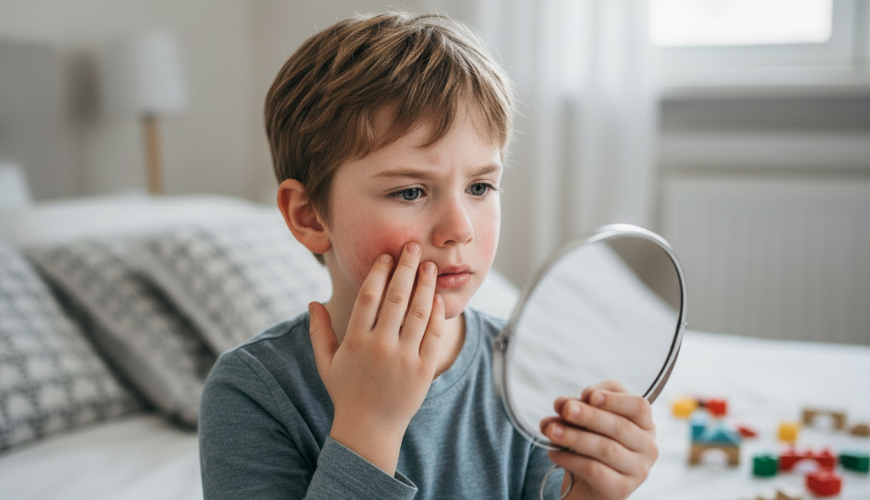
Rose belongs to the illnesses often discussed in families and waiting rooms, yet many uncertainties still surround it. Some people might imagine an unpleasant skin infection when they hear "rose," while others might confuse it with chronic facial redness. No wonder: in Czech, two distinct problems that sound similar meet – a disease called rose (erysipel) and rosacea (růžovka). Both manifest with redness, both can affect self-esteem and comfort, but their causes, progression, and treatment are completely different. How to recognize the disease rose, when to be alert, what does rose on the leg look like, and what belongs to rosacea?
What is the disease called rose and why it is named so
The disease called rose (medically erysipel) is an acute bacterial infection of the skin and subcutaneous tissues, most commonly caused by streptococci (typically Streptococcus pyogenes). Bacteria usually enter the body through a minor wound, crack, abrasion, cracked skin between the toes, or even through a boil. Then an inflammation sets in, spreading through the superficial layers of the skin and lymphatic vessels.
The name "rose" derives from its typical appearance: the skin is strikingly red to crimson, shiny, tense, and the affected area often feels warm. Unlike common irritation, the redness often appears "inflated" and is relatively sharply demarcated from the surrounding area. Pain is added, and especially general symptoms, which shift the disease from the realm of cosmetic nuisance to a category where action is needed.
It is important to say out loud: rose is not the same as rosacea. Rosacea is a chronic inflammatory disease of the face, which is not an acute bacterial infection and is usually not treated with antibiotics "for streptococcus" like erysipel. This confusion is often a reason why people underestimate the symptoms or, conversely, panic unnecessarily.
How to recognize the disease rose: typical symptoms and rose on the leg in practice
When dealing with the question “how do I recognize the disease rose," it is crucial to perceive the combination of skin and general manifestations. Rose on the leg is the most common form – it affects the shins and insteps, sometimes spreading upwards. Less frequently, it appears on the face or hands.
Typical symptoms of erysipel often develop quite quickly, within hours to a day:
- pronounced redness of the skin, which spreads and is often sharply demarcated
- swelling and a feeling of tension, the skin may be shiny
- painfulness to the touch and when walking (in the case of rose on the leg)
- feeling of warmth in the affected area, the skin is warmer
- fever, chills, fatigue, sometimes headaches and muscle pains
- enlarged and painful nodes in the groin (for the leg) or under the jaw (for the face)
Sometimes blisters form on the reddened area, other times the skin is just smooth but significantly inflamed. What is important is that erysipel often "cannot be overlooked" because it also affects the person overall. If rapid spreading of redness is added to this, it is a signal that it is not worth waiting.
A real-life example: an older man with diabetes notices a small abrasion on his ankle after working in the garden. He does nothing about it, but the next day he starts feeling chills, and by evening he can barely step – the calf is red, swollen, and warm, the redness has a "map" with a fairly clear edge. It sounds dramatic, but this is often how rose on the leg looks: a minor injury as an entry gate and then rapid inflammation.
And when to be even more alert? If someone has a weakened immune system, diabetes, circulation disorders, long-term leg swelling, or lymphedema, the course can be more pronounced and complications more likely.
When it is not just irritation: warning signs
With erysipel, it is worth taking seriously that it is an infection. Rose usually does not resolve itself and without treatment can progress to deeper structures or recur. If fever, chills, rapidly increasing redness, significant pain, or overall malaise appear, it is advisable to contact a doctor as soon as possible.
"Skin inflammations can look similar, but rapid onset, fever, and sharply demarcated redness are typical signs that should not be overlooked."
How to treat it: what helps with rose (erysipel) and what is a myth
The question of “how to treat it" is crucial with rose because proper treatment usually brings relief fairly quickly – but only if it is targeted. The basis is antibiotic treatment prescribed by a doctor. In practice, penicillin antibiotics are often used (if there is no allergy), or alternatives depending on the situation and health condition.
In addition to antibiotics, the regimen is also addressed:
- rest regimen and sparing the affected limb
- in the case of rose on the leg often elevation of the leg (relief of swelling)
- adequate fluid intake
- medications for fever and pain (e.g., paracetamol or ibuprofen – according to recommendations and health condition)
- treatment of the infection entry point (wounds, cracks, fungi between toes)
Sometimes hospital treatment is needed – typically in severe cases, high fevers, in people with significant comorbidities, or when the infection spreads rapidly. In the case of recurring roses, the doctor may consider longer-term preventive procedures (e.g., in patients with lymphedema).
What does not belong among reliable procedures: "pulling it out" with an ointment without examination, applying aggressive home compresses on one's own, or "walking off" the infection. With erysipel, time matters – the sooner treatment starts, the smaller the risk of complications and recurrences.
For basic orientation and verification of information, it is useful to stick to authoritative sources, such as overviews from health institutions and professional libraries. Good general information on bacterial skin infections and erysipel can be found, for example, at NHS (National Health Service) or Mayo Clinic (although the content is in English):
- https://www.nhs.uk/conditions/erysipelas/
- https://www.mayoclinic.org/ (search for cellulitis/erysipelas)
Prevention: how to reduce the risk of rose returning
Prevention of erysipel is not just the general "boost your immunity." It is surprisingly practical and often revolves around the skin and minor injuries, especially on the legs.
A lot can be achieved by a rule that sounds banal: keep the skin barrier in good condition. Dry, cracked skin is an open gate. The same goes for athlete's foot – a common and underestimated problem through which bacteria can easily spread further.
Simple prevention is especially effective:
- regular skin care (hydration, gentle washing, non-aggressive cosmetics)
- quick treatment of abrasions, cracks, bites and checking if they are not worsening
- addressing foot fungus and cracked heels
- for people with leg swelling, addressing the cause of the swelling (in consultation with a doctor), sometimes even a compression regimen
- for diabetics, thorough foot care and control of minor injuries
From the perspective of a healthy lifestyle, it makes sense to support the skin from within as well: adequate fluid intake, a varied diet, sleep. It's not about "miraculous defense," but about giving the body better conditions to fight inflammation and for the skin to heal better.
Rosacea (růžovka) is not rose: how it differs and what to do with it
The second key term often entering the same debate is rosacea. In Czech, the term růžovka is commonly used, and it is a chronic skin condition that primarily affects the face – cheeks, nose, chin, and forehead. At first glance, it may resemble "rose," as it also causes redness, but the similarity largely ends there.
Rosacea often manifests with:
- recurrent or persistent facial redness
- visible dilated capillaries
- pimples and inflammatory manifestations (sometimes confused with acne)
- burning, sensitivity, worsening after sun exposure, alcohol, heat, or spicy food
- in some people, eye problems (feeling of sand in the eyes, dryness)
While erysipel is often acute and associated with fever, rosacea develops more slowly, and general symptoms like chills and fever are not typical for it. With rosacea, long-term care is addressed: gentle cosmetics, sun protection, sometimes local or systemic treatment prescribed by a dermatologist (e.g., metronidazole, ivermectin, azelaic acid, in some forms antibiotics in a different logic than with erysipel).
In everyday routines, it often pays to minimize triggers and unnecessary irritation. The skin is usually sensitive, so heavy fragrances, alcohol-based toners, or rough peels can add fuel to the fire. In this respect, rosacea naturally aligns with the philosophy of a gentler household: fewer aggressive substances, less fragrance, more respect for the skin barrier.
To be clear: if a rapidly spreading red, hot, and painful area appears on the face along with a fever, it could also be an erysipel on the face – this is a situation for a doctor, not for cosmetic experiments. Rosacea usually does not behave this "stormily."
In everyday language, the word "rose" thus covers two different chapters: rose disease (erysipel) as an acute infection, often rose on the leg, which requires timely antibiotic treatment, and rosacea, or růžovka, which is chronic, sensitive, and requires a long-term gentle approach. When fever, chills, rapid spreading, and significant pain are added to the redness, there is no time to wait – this is often the difference between "something bit me" and a situation where the body clearly says it needs help. And sometimes, it takes little to reduce the risk: giving the skin a chance to stay intact, hydrated, and protected, because even a small crack on the heel can be a bigger problem in practice than it seems at first glance.