
# What Should Be in Every Home Medicine Cabinet A well-stocked home medicine cabinet can be invalua
Few of us bother to actually check what's hiding in that box marked with a red cross until necessity forces us to do so. Only then do we discover that the plasters expired long ago, the disinfectant has evaporated, and all that remains of the bandage pack is a cardboard wrapper. The home first aid kit is one of those things everyone has but few people pay attention to. Yet it is one of the most important corners of any home – the place where we look for quick help when needed.
But the question is: what actually belongs in it? The answer is not as straightforward as it might seem. On one hand, there is the temptation to stock the kit for every conceivable situation; on the other, a cupboard full of unnecessary items we never use only obscures what we truly need. A properly assembled home first aid kit is not about quantity, but about thoughtful selection.
Try our natural products


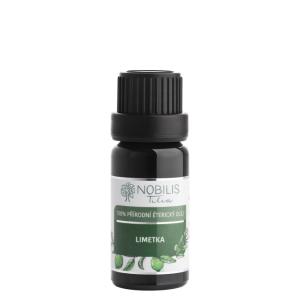
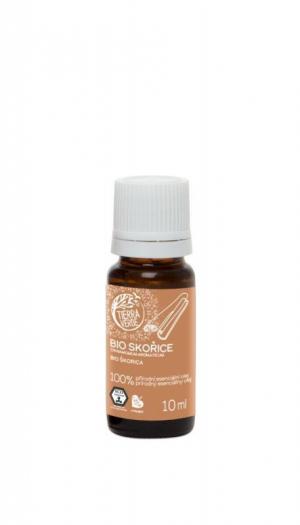
What disappears from the first aid kit before we even notice
Let's start with what tends to be in the first aid kit but shouldn't be – or at least not in such quantities. Many people accumulate medicines left over from various illnesses: antibiotics from a past bout of tonsillitis, nasal drops from last year's flu, headache tablets from grandma. The result is an overstuffed box in which nothing can be found when it's actually needed. And worse still, expired medicines can be not only ineffective but in some cases even harmful.
The World Health Organization repeatedly warns that improper storage and use of expired medicines is a global household problem. Yet the solution is simple: regular review, ideally twice a year, and consistently discarding everything that has passed its expiry date. Expired medicines do not belong in the bin or down the toilet – they should be returned to a pharmacy, where they are disposed of safely.
Equally unnecessary in a home first aid kit are medicines for specific conditions that no one in the household has, or products purchased "just in case" based on advertising. A first aid kit should reflect the actual needs of a specific family, not an imaginary list of threats. The contents of a household with small children look different from those of an elderly person, an athlete, or someone with allergies.
The essentials that matter
Nevertheless, there is a kind of universal baseline that everyone should have on hand – regardless of age or health status. It involves nothing exotic or expensive. These are things we reach for after a simple cut on a finger, a burn from a hot pot, or an unexpected headache.
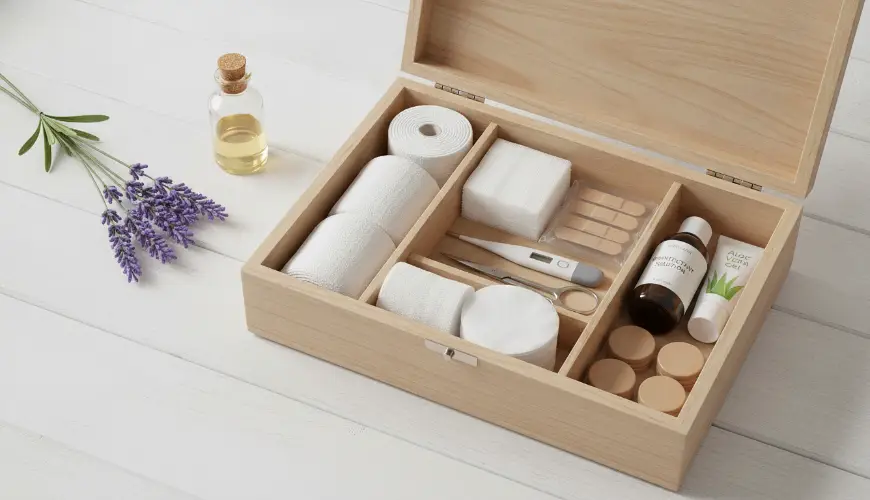
Dressing materials form the backbone of any first aid kit. These include plasters in various sizes – ideally hypoallergenic, as more and more people react with sensitivity to standard adhesives – along with sterile gauze, an elastic bandage, and a triangular bandage. Add to that a pair of blunt-ended scissors and tweezers. This combination covers the vast majority of minor injuries that occur at home.
Disinfectant is another indispensable element. Classic hydrogen peroxide or Betadine are tried-and-tested choices, but in recent years natural alternatives have been gaining popularity – for example, disinfectant sprays based on colloidal silver or tea tree oil, which are gentler on the skin while still effective. What matters is having disinfectant genuinely at hand and in an intact container – not a half-empty bottle from which everything essential has evaporated.
In terms of medicines, the basic kit should include an analgesic – most commonly paracetamol or ibuprofen, with ibuprofen also having an anti-inflammatory effect. For households with children, it is essential to have children's formulations of these medicines on hand, ideally in syrup or suppository form, and always following the manufacturer's age recommendations. An antihistamine – a medicine for allergic reactions – should also be included, as allergies now affect an ever-growing proportion of the population and a reaction can occur unexpectedly even in someone who was previously unaware of any allergy.
You can also add remedies for diarrhoea and nausea, activated charcoal in case of poisoning, and some kind of sore throat preparation – lozenges or a spray. All of this in sensible quantities, without stockpiling. One open pack and one spare – that is the rule that keeps a first aid kit manageable.
Alongside medicines and dressings, a first aid kit should also contain measuring instruments: a thermometer, ideally digital or contactless, and for households with at-risk individuals, a blood pressure monitor as well. Doctors and paramedics confirm that knowing a person's current body temperature or blood pressure can significantly reduce the time needed for diagnosis when calling for help.
A natural and ecological alternative for the modern home
In recent years, more and more people have been turning to natural and environmentally friendly alternatives – and the first aid kit is no exception. This is not about rejecting conventional medicine, but about supplementing the basic kit with products that are gentler on both the body and the environment.
One of the most versatile helpers is aloe vera gel – a natural product with proven healing properties that works excellently for burns, abrasions, and irritated skin. Studies published in sources such as the Journal of Ethnopharmacology have repeatedly confirmed its anti-inflammatory and antimicrobial properties. Equally well-regarded is sea buckthorn oil, rich in vitamin C and omega fatty acids, which supports skin regeneration.
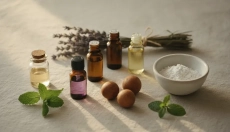
Another popular ingredient in natural first aid kits is lavender essential oil – antiseptic, calming, and readily available. A few drops to aid sleep during a fever, to soothe minor insect bites, or as part of an inhalation for a blocked nose. Eucalyptus oil plays a similar role, providing relief from respiratory complaints.
As an example, consider a family that decided to adopt an eco-friendly lifestyle and gradually replaced some of the chemical products in their first aid kit with natural alternatives. They swapped their plasters for hypoallergenic versions without plastic packaging, replaced conventional disinfectant spray with colloidal silver, and started using arnica gel instead of synthetic cream for bruises. The result? Less waste, fewer chemicals on the skin, and a fully functional first aid kit for everyday needs.
Ecological thinking also extends to how we handle the kit once products reach the end of their shelf life. A sustainable household thinks about proper disposal – medicines to the pharmacy, packaging to recycling, glass bottles to the glass bank.
Where to store the first aid kit and how to maintain it
Just as important as the contents of the first aid kit is where we keep it. The most common mistake is placing it in the bathroom – humidity and temperature fluctuations accelerate the degradation of medicines and other products. The ideal location is dry, cool, and dark, out of reach of children. A lockable cabinet in the bedroom or hallway is a far better choice than a shelf above the sink.
"The first aid kit should always be in the same place, and every member of the household should know where to find it," says paramedic and first aid instructor Pavel Novák, who teaches first aid to the public. This seemingly trivial requirement can make a difference of minutes in a crisis situation.
Regular review is the key to ensuring the first aid kit actually works. It is recommended to carry this out twice a year – for example in spring and autumn, when the seasons change along with the typical health issues they bring. During a review, expiry dates are checked, missing items are restocked, and anything damaged or expired is discarded. A simple list of contents stuck inside the lid can also help – a quick overview of what should be there, and therefore what is missing.
A practical tip is also to divide the contents of the first aid kit into smaller zip-lock bags or transparent containers by category: dressing materials in one, medicines in another, measuring instruments in another. Under stress and in a hurry, you won't have to rummage through the entire contents to find what you need.
It is also worth noting that a home first aid kit is not a substitute for professional medical care. In the event of a serious injury, high fever, an allergic reaction with breathing difficulties, or other severe symptoms, the first step is always the same: call the emergency services on 155. The first aid kit serves as first aid in the literal sense – bridging the time until professionals arrive or until a visit to the doctor.
A well-assembled home first aid kit is ultimately an expression of care – for yourself and for the people with whom you share your home. It does not need to be full. It needs to be thoughtfully put together, up to date, and accessible at exactly the moment someone needs it. And that is a difference you only notice when it truly matters.