
Why Liver Rice is an Ideal Choice for Sustainable Cooking
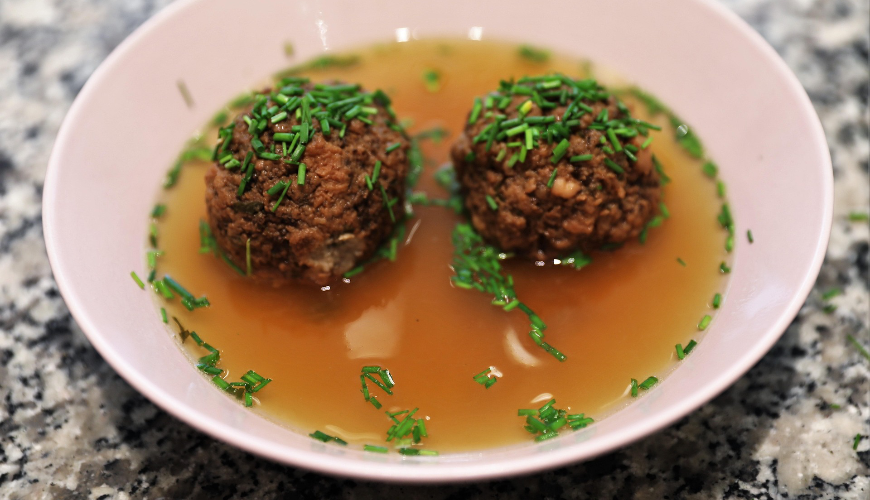
Liver Rice - The Forgotten Treasure of Czech Cuisine
Czech cuisine is full of flavors passed down from generation to generation. Each region has its own specialties, but some recipes have become almost universal. One of them is liver rice, a traditional soup thickener that still holds a place on the menu of many households—even if its name might sound a bit mysterious to those who've never tasted it. Although it is often associated with childhood and old Czech cookbooks, today it is experiencing a surprising comeback. And it's no wonder—it's not only tasty but also very nutritious.
What exactly is liver rice?
Despite its name, liver rice has nothing to do with classic rice. It is a traditional Czech soup thickener made from ground liver, eggs, breadcrumbs, spices, and often small additions like marjoram or garlic. The resulting mixture is pushed through a sieve or special mold into boiling soup—usually broth—where it is briefly cooked. This creates small, tender dumplings or "rice," reminiscent of grains, hence the name.
This type of thickener has a strong tradition, especially in rural areas, where every part of farm animals was utilized. Livers were a common part of home slaughter and were considered a valuable ingredient that should definitely not be wasted. Thus, various ways of processing them were created—from pates and spreads to liver rice for soup.
Why return to liver rice?
Today, when more and more people are aware of the importance of reducing food waste and are seeking ways to cook more sustainably, liver rice has a lot to offer. Livers are a rich source of iron, vitamin A, B12, and other nutrients the body needs for optimal functioning. At the same time, they are an inexpensive ingredient that can be easily processed while offering a surprisingly delicate and pleasant taste.
Try our natural products




Moreover, liver rice is an ideal way to subtly incorporate offal into meals—foods that are nutritionally very valuable but are often avoided due to their texture or taste. In this form, they become part of a dish where herbs and broth dominate rather than the liver itself.
Recipe for liver rice for soup
Preparing liver rice is simple and requires no special equipment. The biggest advantage is that you can easily and quickly create it from a few basic ingredients that you often have at home.
Liver Rice – Traditional Recipe
Ingredients:
- 200 g of chicken or pork liver
- 1 egg
- 1 clove of garlic
- 2–3 tablespoons of breadcrumbs (depending on consistency)
- 1/2 teaspoon of marjoram
- a pinch of salt and pepper
- optionally a pinch of nutmeg or allspice
Instructions:
- Carefully clean the liver and blend or grind it in a meat grinder.
- Add the egg, pressed garlic, spices, and finally the breadcrumbs. The mixture should be thick enough to be pushed through a sieve or shaped with a spoon into the soup.
- Let it sit for a while to allow the breadcrumbs to absorb the liquid.
- Mix small pieces of the mixture into the boiling broth—either through a sieve or with a teaspoon.
- Cook for 4–5 minutes until the dumplings float to the surface.
Liver rice tastes best in beef or vegetable broth but is also suitable for chicken soup, where it brings a full, hearty taste and nutritional value.
A Lost Tradition or the Food of the Future?
Many people today associate the word "liver" more with school cafeterias than home cooking. But just as old styles and natural materials are coming back in fashion, in gastronomy, we can also observe a shift back to original ingredients, honest recipes, and simple processing. Liver rice is an example of how a lot can be created from little—and how significant even a dish we might have sidelined can be.
In some households, this thickener is still part of festive meals, such as family lunches or Easter. In others, people have forgotten about it, or perhaps never even had the chance to taste it. Yet such traditional recipes can be an inspiration for more sustainable and healthier eating.
One grandmother from South Moravia recalls how her mother would always make liver rice when there was a little liver left over from the slaughter. "They were chopped, mixed with an egg, a pinch of breadcrumbs, and into the soup it went. No waste, everything was utilized. And how it smelled!"
Variations and Modern Twist
While classic liver rice has its charm, today many people adjust it to their own taste. Instead of breadcrumbs, for example, oatmeal can be used, which adds more fiber to the dish. Some add fresh herbs like parsley or thyme—and why not? The kitchen is a living organism, and recipes are meant to evolve.
An interesting variation is also the gluten-free version, where breadcrumbs are replaced with corn grits or buckwheat flour. Such liver dumplings are suitable for those who need to avoid gluten but still want to enjoy the taste of traditional homemade soup.
Smaller children, who are usually not fans of liver, often accept liver rice surprisingly well—especially if it's "hidden" in a tasty broth with noodles and vegetables. For parents, it's also a great opportunity to get more nutrients into their children's diet.
Where to Find Liver Rice?
Although it's easy to prepare liver rice at home, there are also ready-made mixes for liver thickener available in some health food stores or at farmers' markets. These mixes are often made from quality ingredients, without preservatives and added chemicals. For those who don't have time or don't feel up to making it at home, it's a quick and convenient alternative.
But even if you decide to prepare the mixture yourself, you can freeze it in advance or store it in the refrigerator for a few days. Then just pull it out, heat up the broth, and within minutes you have a delicious, nutritious, and honest soup on the table.
It's Time to Rediscover the Taste of Tradition
In a time when so much is said about sustainability, health, and a return to simplicity, liver rice deserves its place in our diet. It offers a combination of nutritional value, low cost, minimal waste, and maximum flavor. Although it's not a dish that appears on the front pages of culinary magazines, it has something many modern dishes lack—a story, soul, and connection to the past.
And perhaps therein lies its strength. It's not just a soup thickener. It's a reminder that even from the humblest ingredients, you can cook a meal that warms—not just the body but also memories.