
The History of Vitello Tonnato and How to Prepare It Like a Professional
Vitello tonnato - An Italian Classic Captivating Czech Tables
In the heart of Piedmont, a mountainous region in northwest Italy, a dish was born that at first glance might sound like an improbable combination of flavors. Vitello tonnato – veal with tuna sauce – is proof that even seemingly disparate ingredients can create a harmony that appeals to the most discerning gourmets. Although this is not a commonly prepared recipe in the Czech Republic, its popularity is growing alongside interest in Mediterranean cuisine and quality ingredients. Vitello tonnato is not just a dish, it is an experience full of contrasts and surprises.
What exactly is vitello tonnato and why should it interest you?
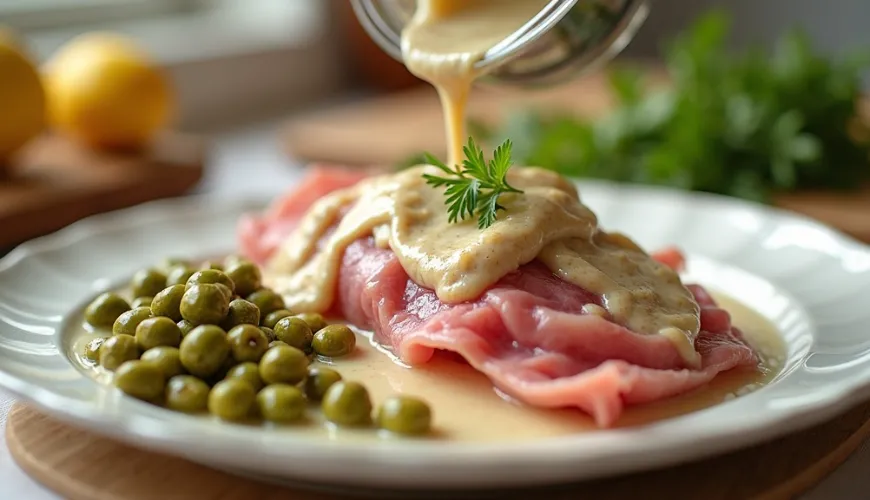
Literally translated, it means "tuna veal," which in itself raises questions. Why combine young beef with fish? The answer is simple: because it works. Vitello tonnato is a cold appetizer or light main course that combines gently stewed or roasted veal sliced into thin pieces with a smooth, creamy sauce made from tuna, eggs, lemon juice, and olive oil. The result is a velvety texture, pleasant acidity, and unexpected depth of flavor.
In Italy, vitello tonnato is traditionally served during festive lunches, often at Christmas or New Year's Eve. In Piedmont, it symbolizes the local hospitality and culinary sophistication of every family. With the development of modern gastronomy, this recipe has spread worldwide and can now be found on the menus of quality restaurants from Tokyo to New York.
But let's be honest – the best vitello tonnato is homemade.
Recipe for vitello tonnato - classic version and modern variations
Do you want to prepare this delicate dish at home? The basis is quality veal – preferably tenderloin or round. If you can't find veal, you can opt for lean pork, but the result will taste different. The traditional recipe also includes anchovies, capers, and sometimes mustard, which add intensity to the sauce. Surprisingly, the simple recipe might look like this:
Ingredients (for 4–6 people):
- 800 g of veal (tenderloin or round)
- 1 carrot, 1 onion, 1 stalk of celery
- 2 bay leaves, a few allspice and peppercorns
- salt and olive oil
For the sauce:
- 200 g of tuna in oil (good quality)
- 2 boiled eggs
- 2 teaspoons of capers
- 3 anchovies
- 150 ml of olive oil
- lemon juice to taste
- optionally a tablespoon of Dijon mustard
The process is simple but requires patience. The veal is first cooked until tender in a vegetable broth with spices. Then it is completely cooled and sliced into very thin pieces, which is crucial for the resulting texture. Meanwhile, the sauce is prepared by blending all the ingredients into a smooth cream, which is then layered over the meat. The whole dish is chilled for several hours, ideally overnight, to allow the flavors to meld.
Modern chefs sometimes replace boiled eggs with mayonnaise, add more lemon for freshness, or use sous-vide preparation for the meat. But the foundation remains the same: the contrast of tender meat and a bold, salty sauce.
When tradition meets local ingredients
Although vitello tonnato originates from Italy, there's no reason why it can't be prepared with local Czech ingredients. Veal from a local farmer, eggs from an organic farm, olive oil from sustainable agriculture – all align with the sustainability philosophy shared by Ferwer.
One practical example? In a small restaurant in South Moravia, vitello tonnato was included in the summer menu. The chef used veal from a nearby eco-farm and added cottage cheese to the sauce to create a lighter version suitable for children. The result? Guests loved it so much that the dish stayed on the menu long after the season ended.
This example shows that even such a specific dish as vitello tonnato can be adapted to the tastes and possibilities of local kitchens. Furthermore, it beautifully connects tradition with a modern approach to healthy eating.
And what does "vitello tonnato ridi" mean?
You may have come across the phrase "vitello tonnato ridi" online. At first glance, it seems like the name of a new recipe or an Italian joke. The truth is a bit different. "Ridi" in Italian means "laugh" – and is usually used as a comment on social media where people share their culinary experiments or funny variations of well-known recipes. The phrase "vitello tonnato ridi" has thus become a humorous reaction to unusual or failed attempts to prepare this more challenging dish.
In a world full of food bloggers and culinary influencers, this shout has become something of a meme within the culinary community. So if your version of vitello tonnato doesn't turn out as expected, don't worry – you're not alone. And maybe you deserve a "ridi."
Why do gourmets and nutritionists love vitello tonnato?
Unlike many other traditional dishes that can be heavy and fatty, vitello tonnato offers lightness and nutritional balance. Veal is rich in protein and low in fat, while tuna and olive oil provide healthy unsaturated fatty acids. Moreover, if mayonnaise is omitted and replaced with Greek yogurt, it becomes a version suitable even for those watching their diet.
Despite its apparent complexity, this dish is practical – it can be prepared in advance, served cold, and is perfect for festive tables, summer parties, or as an unusual brunch. Not to mention how beautifully it looks on the plate. Light slices of meat under a layer of golden sauce, garnished with capers and parsley, are pleasing to the eyes.
As renowned Italian chef Massimo Bottura says: "The kitchen is a bridge between the past and the future." And vitello tonnato embodies this connection more than any other recipe.
So next time you're pondering how to surprise guests or spice up a summer dinner, take inspiration from northern Italy. You might discover a new favorite dish that will adorn your table like a true gem. And if you don't achieve perfect harmony of flavors on your first try? No worries. Smile and say "vitello tonnato ridi."