

Strengthening the venous wall and how to achieve it in everyday life

When Veins Call for Help - What Strengthens the Vein Wall and Why It Matters
The venous system in the human body is somewhat like the transportation network of a large city. It transports liters of blood back to the heart daily, often against gravity—especially in the legs. When this network functions properly, we are unaware of its existence. But once a problem arises, such as leg swelling, a feeling of heavy calves, or unpleasant itching around the rectum, a weakened vein wall might be to blame. Strengthening the vein wall is often key to relief and prevention of more serious issues.
What Weakens the Vein Wall and Why It’s a Problem
The vein wall is made of smooth muscle fibers and elastic structures, allowing veins to withstand blood pressure while efficiently transporting it. When these structures lose elasticity, veins expand, and valves inside stop functioning properly. Blood then accumulates in the lower limbs or rectal veins, which can lead to the development of varicose veins or hemorrhoids.
There can be multiple causes—genetics, age, sedentary lifestyle, prolonged standing, overweight, pregnancy, but also chronic constipation or an improper diet. Lack of exercise and a low intake of flavonoids—plant-based substances that strengthen vascular walls—also contribute to the weakening of the vein wall.
It sounds complicated, but solutions exist. And not just medical ones. A "drug to strengthen the vein wall" doesn't always have to be just a pill—it often involves a combination of lifestyle changes, natural support, and targeted body care.
Hemorrhoids and the Vein Wall – How Are They Related?
Many people perceive hemorrhoids as a standalone issue affecting only the rectum. In reality, they belong to a broader category of venous diseases. Hemorrhoids are essentially dilated veins in the rectal area and anal canal, similar to varicose veins in the legs. And just like with them, weakening of the vein wall plays a role here.
People suffering from hemorrhoids often look for solutions that not only alleviate symptoms (such as itching, pain, or bleeding) but also offer long-term strengthening of the vascular wall. In this context, several factors play a role—from diet to suitable dietary supplements and herbal preparations.
For example, rutin, diosmin, hesperidin, or horse chestnut extract are well-known substances that support vein elasticity and act preventively against vascular expansion. These substances are commonly found in over-the-counter products often labeled as a natural "drug to strengthen the vein wall."
Can Nature Replace the Pharmacy?
In recent years, there has been growing interest in natural ways to strengthen veins and vascular walls without chemicals. And it's no wonder—many herbs and plants have proven effects on the vascular system. These include not only the aforementioned horse chestnut but also ginkgo biloba, arnica, or grapevine.
An interesting example is buckwheat—a common crop that is a rich source of rutin. Regular inclusion of buckwheat in the diet can help strengthen blood vessels and improve the elasticity of the venous system. The advantage is that it is a commonly available ingredient that can be easily incorporated into everyday cooking—as porridge, a side dish, or flour.
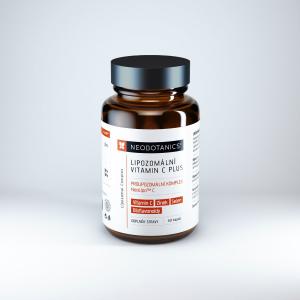
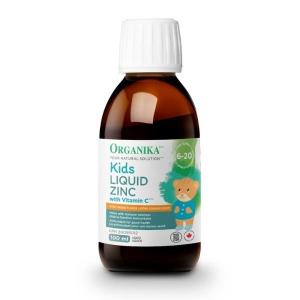
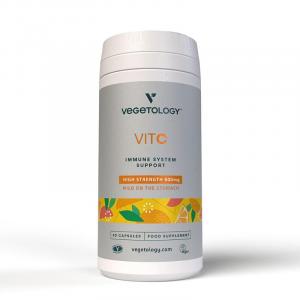
For those seeking a more comprehensive solution, there are natural dietary supplements combining multiple active ingredients. In health food stores or on eco-friendly e-shops like Ferwer, you can find a range of products aimed at strengthening the vascular wall without unnecessary chemicals.
A Real Story - When Change Helps
Lenka, a 40-year-old accountant from Brno, started experiencing issues with heavy legs and hemorrhoids after her second pregnancy. "I sit at a computer for eight hours a day, and in the evening, my legs felt like elephants," she describes. Initially, she tried to address the situation with traditional creams, but the results were short-lived.
After consulting a doctor, she started taking a dietary supplement with horse chestnut extract, flavonoids, and vitamin C. She also adjusted her diet, started walking more, and cut down on coffee and alcohol. "It wasn't an overnight miracle, but after two months, I noticed my legs weren't as tired, and the hemorrhoids calmed down," she says. Today, she is cautious about prolonged sitting, exercises regularly, and uses natural supplements preventively.
What Helps Strengthen the Vein Wall – An Overview of Options
Every body is different, and there is no universal guide, but some approaches have repeatedly proven effective. These include:
- Regular exercise – especially walking, swimming, or cycling improves blood circulation and prevents stagnation in the veins.
- Healthy diet – rich in flavonoids (citrus fruits, berries, buckwheat), fiber (fruits, vegetables, legumes), and vitamin C.
- Adequate hydration – hydrating helps keep vessels elastic and blood less viscous.
- Natural dietary supplements – extracts from horse chestnut, ginkgo biloba, rutin, diosmin, and other substances suitable for vein and vascular care.
- Changing habits – avoiding prolonged sitting or standing without movement, limiting alcohol and cigarettes.
- Cold showers or alternating foot baths – support circulation and strengthen vascular walls.
As renowned vascular surgeon Dr. Martin Janoušek says: "In the prevention of vascular diseases, the best strategy is the one that combines exercise, diet, and light natural supplements. Medications are a last resort."
Try our natural products
Choosing the Right Product – What to Watch Out For
When choosing dietary supplements aimed at strengthening the vein wall, it's good to look at not only the composition but also the origin of the ingredients, the form of processing, and any quality certifications. Popular choices include organic supplements without added dyes and preservatives, or vegan compositions.
There are also products on the market combining internal and external use—such as capsules along with leg gel. This combination can be more effective, especially if issues are already manifesting on the surface (e.g., protruding spider veins or painful swelling).
For hemorrhoids, it is doubly important to approach the problem comprehensively. Local ointments can bring relief, but without strengthening the vascular wall and eliminating the cause, issues often recur.
The final word is always with the doctor, but more and more experts agree that natural care is safe and effective as part of prevention and supportive treatment.
In the end, it's not just about finding a "miracle pill," but about an overall approach to the body. Healthy veins are not a given, but if we take good care of them, they do their demanding work silently—and that is a sign of their strength.